Introduction
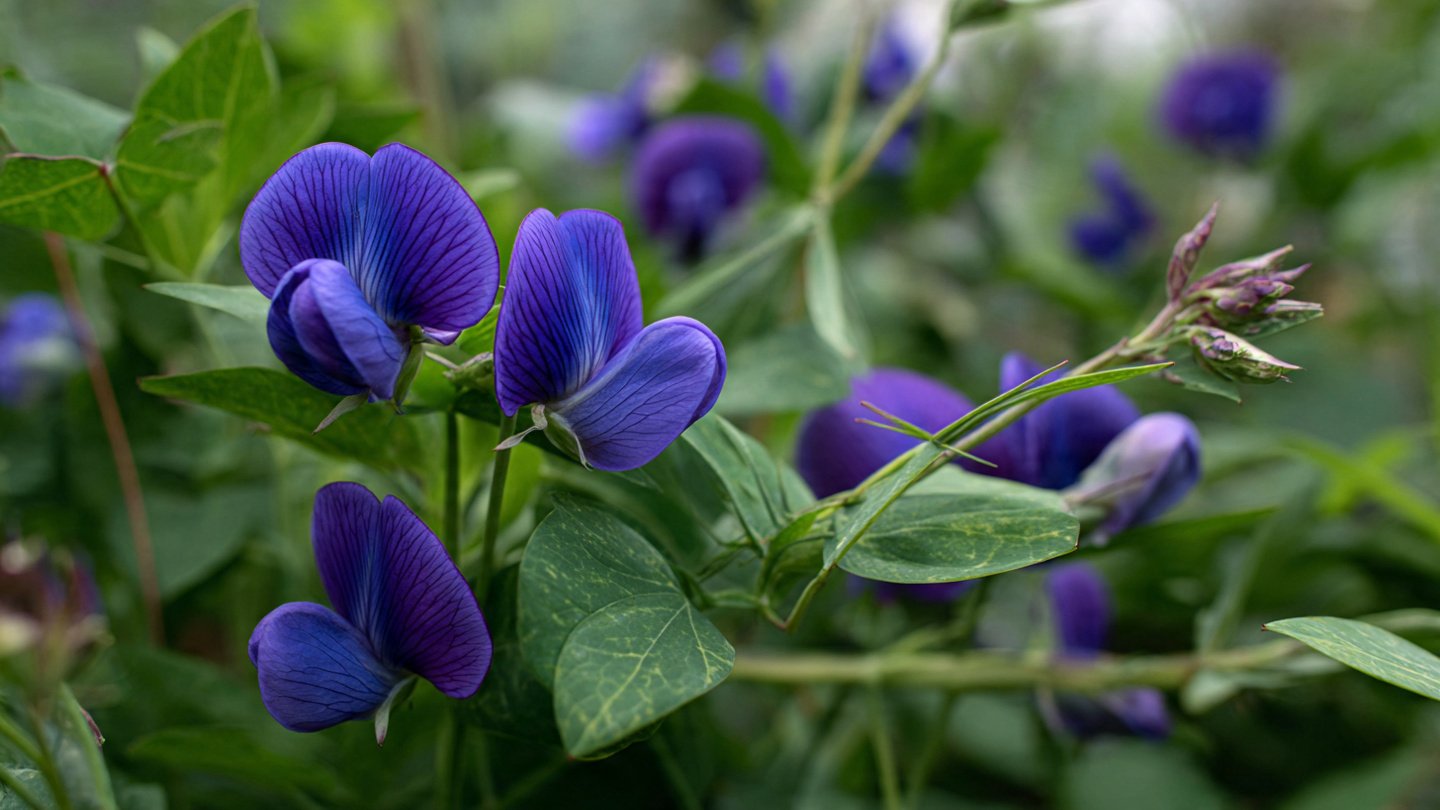
Blue pea, scientifically known as Clitoria ternatea, is a beautiful flowering plant that’s gaining popularity among gardeners and herbalists. Commonly referred to as Aparajita or Butterfly Pea, this plant is celebrated for its vibrant blue flowers, which are not only stunning but also hold significant cultural, culinary, and medicinal value. While many people admire the aesthetic appeal of Blue Pea, growing it sustainably and naturally in your garden is a fulfilling venture that offers numerous benefits. In this article, we’ll discuss easy hacks to cultivate Blue Pea effectively, ensuring a thriving and sustainable garden.
Benefits of Growing Blue Pea
Latest Posts
- A Comprehensive Guide to Successfully Growing Grape Vines in Your Backyard for Beginners and Experts Alike
- Best Tips for Successful Mango Growth in Containers
- Discover the Simple Steps for Successfully Growing Coriander in a Pot
- Discovering the Ultimate Guide to Growing African Violets from Leaf Cuttings
- Simple Techniques for Successfully Growing Seedless Grapes in Home Gardens
- Ultimate Guide to Growing Balsam Plants Naturally for Vibrant Blooms
- Discover the Secrets to Growing Lush Leek Leaves with Simple Hacks for Beginners
- How to Successfully Cultivate Sweet Cherries in the Unique Climate of Canada
- The Ultimate Guide to Successfully Growing Beautiful Succulent Garden Plants at Home
- A Comprehensive Guide to Growing Dhania from Seeds for Beginners
Growing Blue Pea is not merely about adding ornamental value to your garden; it has multiple benefits:
-
Natural Fertilizer: The Blue Pea plant is a legume, which means it fixes nitrogen in the soil, improving its fertility naturally.
-
Herbal Use: The flowers are used in various traditional medicines and can be brewed into teas that are rich in antioxidants.
-
Culinary Applications: The vibrant blue flowers can be used to color foods, such as rice and desserts, providing a unique visual touch.
-
Pollinator Attractor: The flowers attract bees, butterflies, and other beneficial insects to your garden.

-
Ground Cover: The plant serves as excellent ground cover, preventing soil erosion while adding beauty.
Easy Hacks for Growing Blue Pea Naturally and Sustainably
1. Choosing the Right Location
Sunlight Requirements: Blue Pea plants thrive in full sun and prefer a location that receives at least 6 hours of sunlight daily. Choose a spot in your garden that is sunny throughout the day.
Soil Type: The plant is adaptable but prefers well-draining loamy soil. Avoid areas with poor drainage, as excessive moisture can lead to root rot.
2. Preparing the Soil
Soil Testing: Before planting, test the soil pH. Blue Pea prefers a slightly acidic to neutral pH (6.0 to 7.0). Amend the soil with lime if it’s too acidic.
Organic Matter: Improve your soil by adding organic matter, such as compost or well-rotted manure. This will enhance soil fertility, structure, and moisture retention.
3. Seed Selection and Preparation
Choosing Seeds: Purchase high-quality seeds from a reputable source. Look for seeds that are dark blue or black in color, as these tend to have higher germination rates.
Soak Seeds: Before planting, soak the seeds in water for 24 hours to help soften the hard seed coat, which increases the germination rate.
4. Planting the Seeds
Direct Sow or Transplant: You can either directly sow the seeds into the garden or start them indoors and transplant them later. If direct sowing, plant the seeds about 1 inch deep and 18 inches apart to allow for enough space as they grow.
Timing: The best time to plant Blue Pea is in the spring after the last frost has passed. In tropical regions, planting can be done year-round.
5. Watering Wisely
Watering Schedule: Water the plants regularly, especially during dry spells. However, avoid waterlogging. A deep watering once a week is generally sufficient.
Mulching: Apply a layer of organic mulch around the base of the plants. This helps retain moisture, suppress weeds, and adds nutrients as it decomposes.
6. Pest and Disease Management
Natural Predators: Encourage beneficial insects such as ladybugs and lacewings to control aphid populations naturally.
Companion Planting: Plant Blue Pea alongside other crops like corn or marigolds to deter pests. The marigold’s scent can repel nematodes and other harmful insects.
Organic Solutions: If pests do appear, spray plants with neem oil or a homemade soap solution to minimize infestations.
7. Pruning and Training
Support Structures: Blue Pea is a climbing plant and will require support to grow upwards. Install trellises, cages, or stakes when the plants are about 12 inches tall.
Pruning: Regularly prune the plants to remove dead or diseased foliage and promote bushier growth. This also helps to increase airflow around the plant, reducing disease risk.
8. Harvesting
Timing: The flowers bloom prolifically, and you can begin harvesting them once they appear. Use a pair of scissors to cut the flowers cleanly.
Usage: Use the fresh flowers immediately or dry them for later use. They are perfect for making herbal teas, coloring foods, or adding to dishes for flavor and aesthetics.
Sustainable Practices
-
Permaculture Techniques: Utilize permaculture principles when planting Blue Pea. Create guilds by planting together with compatible species that support each other.
-
Composting: Maintain a compost bin to recycle kitchen scraps and garden waste, providing a rich organic fertilizer for your Blue Pea plants.
-
Rainwater Harvesting: Collect rainwater to irrigate your plants sustainably. Install rain barrels to supply your garden during dry periods.
-
Crop Rotation: Practice crop rotation to maintain soil health, reduce pest build-up, and enhance biodiversity. Avoid planting Blue Pea in the same spot every year.
FAQs
Q1: Can I grow Blue Pea in pots?
A1: Yes, Blue Pea can be grown in pots. Ensure the pot has good drainage and fills it with nutrient-rich soil. Provide support for climbing.
Q2: How long does it take for Blue Pea seeds to germinate?
A2: Blue Pea seeds typically take about 1-2 weeks to germinate, depending on temperature and moisture levels.
Q3: Are Blue Pea flowers edible?
A3: Yes, Blue Pea flowers are edible and can be used fresh or dried in teas, desserts, and various dishes. They have antioxidant properties.
Q4: Is Blue Pea invasive?
A4: Blue Pea can be invasive in some regions due to its vigorous growth. Monitor its spread and contain its growth if necessary.
Q5: What are the medicinal uses of Blue Pea?
A5: In traditional medicine, Blue Pea is known for its anti-inflammatory, antioxidant, and cognitive-enhancing properties. It’s often used to improve skin health and reduce stress.
Conclusion
Growing Blue Pea (Aparajita) naturally and sustainably can enhance the beauty of your garden while offering numerous benefits. By following these easy hacks—choosing the right location, preparing the soil, proper watering, and pest management—you can cultivate this versatile plant with ease. Not only will you enjoy the stunning blue flowers, but you’ll also appreciate the positive environmental impact and the advantages it brings to your garden ecosystem. Happy gardening!