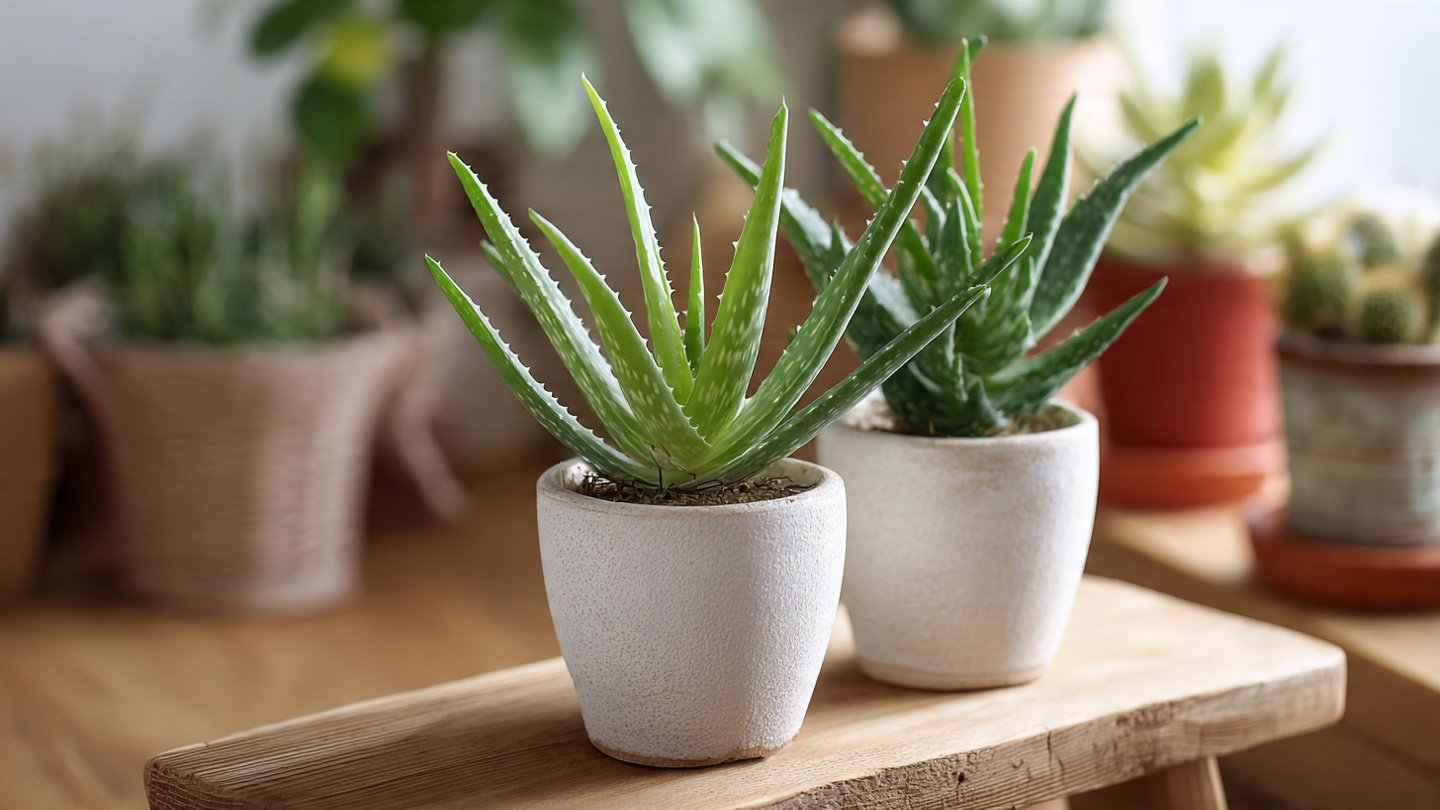
Aloe vera, renowned for its succulent leaves and myriad health benefits, has captured the attention of plant enthusiasts around the globe. Not only is it a low-maintenance houseplant, but it also provides a host of medicinal properties. The good news is that growing your own aloe vera “babies” or offsets at home is both easy and rewarding. This article will guide you through every step of the process, from selecting the right plant to caring for your new aloe vera babies, ensuring you have all the tools and knowledge required to succeed.
What Are Aloe Vera Babies?
Aloe vera plants produce offsets, commonly referred to as “babies.” These look like miniature versions of the parent plant and can be separated and replanted to grow new aloe vera plants. Each baby comes with its own set of roots, making it a straightforward process to propagate them. This natural reproductive method is a fantastic way to multiply your aloe vera collection or share with friends and family.
Latest Posts
- A Comprehensive Guide to Successfully Growing Grape Vines in Your Backyard for Beginners and Experts Alike
- Best Tips for Successful Mango Growth in Containers
- Discover the Simple Steps for Successfully Growing Coriander in a Pot
- Discovering the Ultimate Guide to Growing African Violets from Leaf Cuttings
- Simple Techniques for Successfully Growing Seedless Grapes in Home Gardens
- Ultimate Guide to Growing Balsam Plants Naturally for Vibrant Blooms
- Discover the Secrets to Growing Lush Leek Leaves with Simple Hacks for Beginners
- How to Successfully Cultivate Sweet Cherries in the Unique Climate of Canada
- The Ultimate Guide to Successfully Growing Beautiful Succulent Garden Plants at Home
- A Comprehensive Guide to Growing Dhania from Seeds for Beginners
Why Grow Aloe Vera at Home?
-
Health Benefits: Aloe vera gel is known for its soothing properties for burns, skin irritations, and even digestive issues.
-
Air Purification: Aloe vera helps purify the air, making it a great addition to your home.
-
Aesthetic Appeal: Its striking appearance makes it an attractive indoor or outdoor plant.
-
Cost-Effective: Propagating your own aloe vera babies can save you money compared to purchasing new plants.
-
Caring for It Is Easy: Aloe vera requires minimal care and is perfect for busy individuals or beginner gardeners.
Selecting the Right Aloe Vera Plant
Before you can start propagating, you need a healthy parent plant. Ideally, choose an aloe vera that is at least a year old and has produced several offsets. Look for a plant that displays the following characteristics:

-
Healthy Leaves: The leaves should be firm and plump without any signs of decay or discoloration.
-
Established Roots: Select a plant that is well-rooted and has plenty of offsets emerging from its base.
-
Sunlight Exposure: A healthy parent plant is usually grown in bright, indirect sunlight.
The Easy Method to Grow Aloe Vera Babies
Step 1: Gather Your Supplies
Before starting the propagation process, ensure you have the following supplies on hand:
- A mature aloe vera plant
- A clean, sharp knife or garden shears
- Fresh potting soil (preferably cactus or succulent mix)
- Small pots or containers with drainage holes
- A watering can or spray bottle
- Optional: Rooting hormone (though not necessary)
Step 2: Identify the Offsets
Once you have your parent plant, examine the base for offsets. These can often be seen as small, new plants growing close to the main stem. Typically, they will have already developed their own root systems. This is a sign they are ready to be removed.
Step 3: Separate the Offsets
-
Cutting the Offset: Use your clean, sharp knife or garden shears to cut the baby plant away from the parent. Make sure to get as much of the root system as possible. It’s best to cut at the base, where the baby meets the soil.
-
Handling: Once separated, gently shake off excess soil to expose the roots. Be careful not to damage them as they are vital for the baby plant’s survival.
Step 4: Let the Offsets Dry
After separating the offsets, allow them to dry for about 24 hours in a shaded area. This step helps to seal the cut wound, preventing rot when planted.
Step 5: Planting the Offsets
-
Prepare the Pot: Take your small pot and fill it with fresh potting soil, leaving some space for the new plant.
-
Place the Offset in the Pot: Create a hole in the center of the soil and gently place the aloe vera baby, roots down, into the soil.
-
Cover the Roots: Gently pack the soil around the roots to stabilize the offset, ensuring it is upright.
Step 6: Watering
Water the newly planted offset lightly to help settle the soil. Avoid overwatering, as this can lead to root rot, which is particularly a concern for succulents like aloe vera.
Step 7: Provide Proper Conditions
-
Light: Place the pots in a location with bright, indirect sunlight. Too much direct sunlight can scorch the leaves, while too little will stunt growth.
-
Temperature: Aloe vera thrives in temperatures between 60°F and 75°F (15°C to 24°C). Avoid exposing them to frost or extreme temperatures.
Step 8: Care and Maintenance
-
Watering Schedule: During the growing season (spring and summer), water your aloe vera babies every 2-3 weeks. In the dormant season (fall and winter), reduce watering to once a month.
-
Fertilization: Although aloe vera doesn’t require much fertilizer, a light feeding with a succulent fertilizer once or twice a year can promote healthy growth.
-
Repotting: Once your aloe vera babies have outgrown their pots, consider repotting them into larger containers to allow for continued growth.
-
Pest Control: Keep an eye out for common pests like mealybugs or aphids. If spotted, treat with insecticidal soap or neem oil.
Troubleshooting Common Problems
Despite its resilience, aloe vera plants can encounter some issues. Here’s how to address them:

-
Yellowing Leaves: This may be a sign of overwatering. Allow the soil to dry out completely between waterings.
-
Brown Tips: Leaf tips turning brown can indicate underwatering or exposure to direct sunlight. Adjust watering habits or relocate the plant to a shadier spot.
-
Soft, Mushy Leaves: This condition is often a symptom of root rot. If the roots are damaged, you may need to remove the plant, trim off any rotted parts, and repot it in fresh soil.
FAQs
1. How long does it take for aloe vera babies to grow?
Aloe vera babies generally take a few weeks to several months to develop to a size suitable for replanting. Conditions such as light and temperature can affect growth rates.
2. Can I propagate aloe vera from leaves?
While some succulents can be propagated from leaves, aloe vera is best propagated through offsets. Leaf cuttings typically do not root successfully.
3. What type of soil is best for aloe vera?
A well-draining soil, such as a cactus or succulent mix, is ideal. Avoid heavy soil that retains moisture, which can lead to root rot.
4. How often should I water my aloe vera babies?
Water once every 2-3 weeks in the growing season and reduce to once a month in the dormant season. Always check the soil moisture before watering.

5. Do aloe vera plants need sun?
Yes, they thrive in bright, indirect sunlight. Direct sun exposure can scorch their leaves.
6. Can I use aloe vera gel from my plant?
Absolutely! Cut a mature leaf and scoop out the gel for topical use. Ensure that the leaf is healthy and free from disease.
7. How can I tell if my aloe vera baby is healthy?
A healthy aloe vera baby will have firm, plump leaves without any discoloration or damage. Its roots should be intact and well-formed.
8. When is the best time to propagate aloe vera babies?
The best time is during the spring or summer, when the plant is in its active growth phase.
Conclusion
Growing aloe vera babies at home is a rewarding and enriching experience. It not only allows you to expand your indoor garden but also provides a sustainable way to enjoy the numerous benefits of this extraordinary plant. With the right techniques and care, you can easily multiply your aloe vera and foster a thriving collection. Whether you’re a seasoned gardener or a curious beginner, the joy of watching your aloe vera babies flourish is a delightful journey that is well worth the effort. So grab your supplies and get started today!