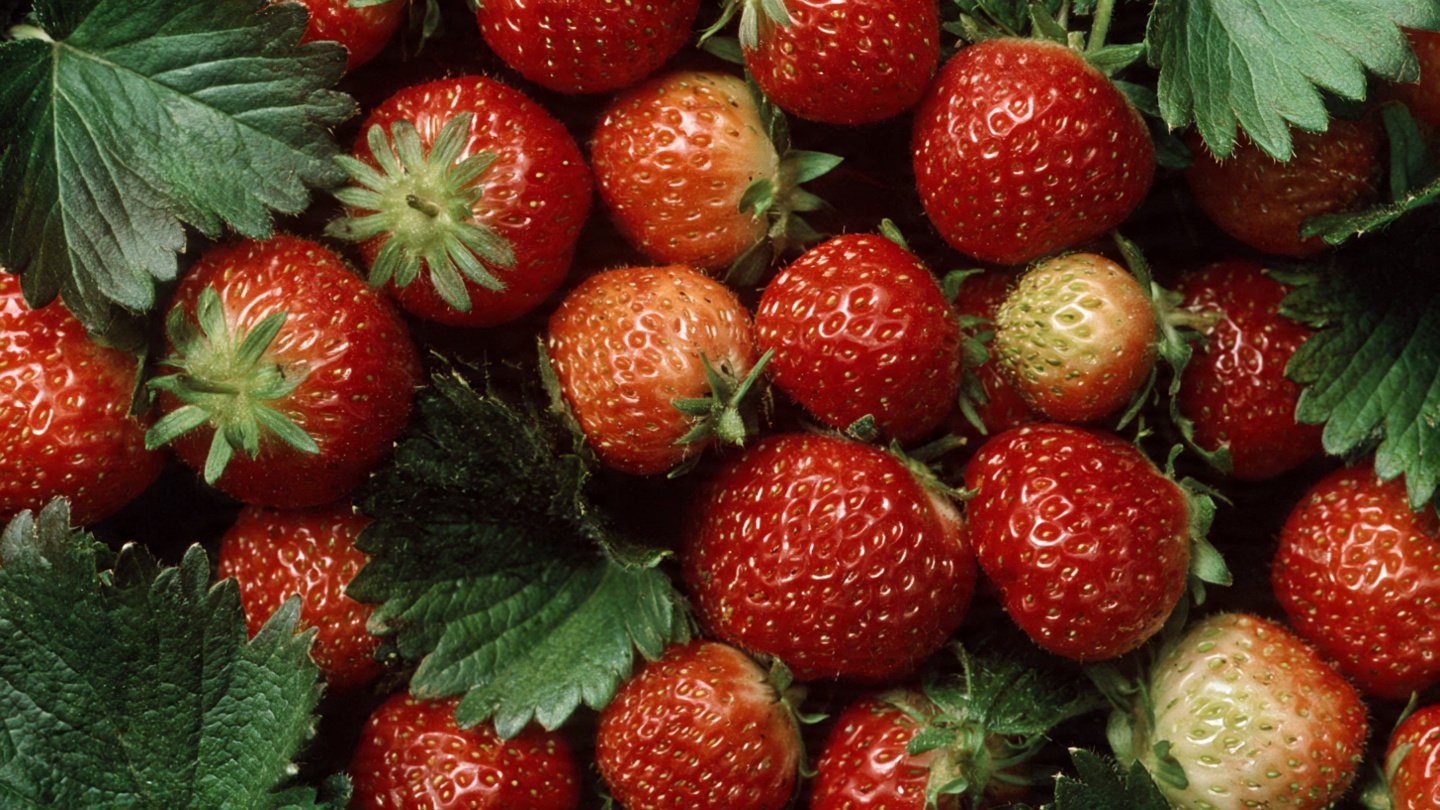
Strawberries are a beloved fruit, known for their sweetness, versatility, and appeal. Among the many varieties, everbearing strawberries hold a special place in the hearts of gardeners. These plants produce fruit continuously throughout the growing season, making them ideal for home gardens, especially in Canada, where the growing season is often shorter. This guide will cover everything you need to know about growing everbearing strawberries in Canada, from selection and planting to care and harvesting.
Understanding Everbearing Strawberries
Everbearing Strawberries, scientifically known as Fragaria × ananassa, are unique in that they produce fruit throughout the summer, rather than just in the spring or early summer like June-bearing varieties. They are particularly suited to cooler climates, making them perfect for Canadian gardeners who want to maximize their strawberry harvest.
Latest Posts
- A Comprehensive Guide to Successfully Growing Grape Vines in Your Backyard for Beginners and Experts Alike
- Best Tips for Successful Mango Growth in Containers
- Discover the Simple Steps for Successfully Growing Coriander in a Pot
- Discovering the Ultimate Guide to Growing African Violets from Leaf Cuttings
- Simple Techniques for Successfully Growing Seedless Grapes in Home Gardens
- Ultimate Guide to Growing Balsam Plants Naturally for Vibrant Blooms
- Discover the Secrets to Growing Lush Leek Leaves with Simple Hacks for Beginners
- How to Successfully Cultivate Sweet Cherries in the Unique Climate of Canada
- The Ultimate Guide to Successfully Growing Beautiful Succulent Garden Plants at Home
- A Comprehensive Guide to Growing Dhania from Seeds for Beginners
Benefits of Everbearing Strawberries
-
Continuous Harvest: Unlike June-bearers that produce a single large crop, everbearers yield fruit multiple times throughout their growing season.
-
Extended Growing Season: These plants can produce strawberries from late spring until the first frost, allowing for an extended harvest.
-
Adaptability: Everbearing strawberries adapt well to container gardening, raised beds, and traditional garden plots. They can be grown in various conditions.
Selecting the Right Variety
Several everbearing strawberry varieties thrive in Canada:
-
Quinault: Known for its large, sweet berries and high yields, Quinault is ideal for cooler climates.
-
Albion: This variety produces a high yield of firm, sweet strawberries and is known for its disease resistance.
-
Seascape: Known for excellent flavor, these berries hold up well during transport, making them perfect for those looking to sell their produce.
-
Mara des Bois: A French variety that produces small, aromatic strawberries reminiscent of wild strawberries, perfect for fresh eating.

Choosing the Right Plants
When selecting plants, consider purchasing disease-resistant varieties from a reputable local nursery or supplier. Look for strong, healthy plants that have vibrant green leaves and no signs of disease or pests.
Preparing the Soil
Soil Type
Everbearing strawberries thrive in well-draining, loamy soil with a pH between 5.5 and 6.8. Heavy clay soil can lead to waterlogging and root rot, so it may be necessary to amend the soil.
Soil Preparation Steps
-
Testing pH: Use a soil test kit to determine the pH level. If the pH is too low, add lime; if too high, add sulfur to lower it.
-
Amending the Soil: Mix in organic matter such as compost, aged manure, or peat moss to improve drainage and fertility.
-
Tilling: Turn the soil to a depth of about 12 inches to ensure it is aerated and loose.
Planting Everbearing Strawberries
When to Plant
In Canada, the best time to plant everbearing strawberries is in the spring after the last frost, usually between late April and May. However, fall planting is also possible in milder regions, allowing the plants to establish before winter.
Planting Steps
-
Location: Choose a sunny spot that receives at least six to eight hours of sunlight per day.
-
Spacing: Space plants about 12 to 18 inches apart in rows that are 24 to 36 inches apart. If planting in a container, ensure it’s large enough to accommodate several plants.
-
Planting Depth: Dig a hole large enough to accommodate the roots without crowding and ensure that the crown (the part where the roots meet the stem) is at soil level.
-
Watering: After planting, water the strawberries thoroughly to help settle the soil around the roots.
Caring for Everbearing Strawberries
Watering
Everbearing strawberries require consistent moisture, especially during fruiting. Water deeply once a week, increasing frequency during dry spells. Avoid overhead watering to prevent fungal diseases.
Fertilizing

A balanced, slow-release fertilizer specific for berries should be applied in early spring. Follow the manufacturer’s recommendations on the package for amounts.
Mulching
Applying a layer of mulch around the plants helps retain soil moisture, suppress weeds, and maintain an even soil temperature. Straw, wood chips, or plastic sheeting are excellent options for mulching.
Pruning
Regular pruning encourages healthy growth. Remove any dead or diseased leaves and runners if you want to focus on fruit production instead of new plants. For optimum size, allow only a few runners to establish.
Pest and Disease Management
Everbearing strawberries can be susceptible to pests such as aphids, spider mites, and slugs. Use organic pest control methods such as insecticidal soap or diatomaceous earth. Regularly inspect your plants for signs of disease, including wilting or discoloration, and remove infected leaves immediately.
Harvesting Everbearing Strawberries
Everbearing strawberries typically begin producing fruit within a few months of planting, usually by mid to late summer. To harvest:
-
Timing: Pick strawberries when they are fully red and ripe for the best flavor.
-
Technique: Use scissors to cut the stem, leaving a small part attached to the berry. Avoid pulling the berry, as this can damage the plant.
-
Storage: Fresh strawberries are best eaten immediately but can be stored in the refrigerator for 2 to 3 days. Wash them just before consumption to preserve freshness.

Preparing for Winter
In Canada, it’s essential to prepare your everbearing strawberries for winter, particularly in colder regions.
-
Mulching: After the first frost, apply a thick layer of mulch (straw works well) around the plants to insulate the roots.
-
Protection: In areas with harsh winters, consider covering the plants with burlap to shield them from extreme cold and desiccation.
-
Avoid Watering: Watering should be minimized during the winter months; excess moisture can lead to root rot.
Frequently Asked Questions (FAQs)
1. How do I know if my strawberries are ready to harvest?
Strawberries are ready to harvest when they are fully red and slightly soft to the touch. If they are still partially white or hard, it’s best to wait a few more days.
2. Can I grow everbearing strawberries in containers?
Yes! Everbearing strawberries thrive in containers. Just ensure the containers are large enough to accommodate the roots and have good drainage.
3. How long do everbearing strawberries produce fruit?
Everbearing strawberries can produce fruit from late spring until the first frost, providing a delicious harvest for several months.

4. Do I need to remove runners from everbearing strawberries?
Removing runners can help focus the plant’s energy on fruit production rather than new plant establishment. However, if you want to propagate new plants, you can leave some runners in place.
5. What are the best pests to watch for?
Common pests include aphids, spider mites, and slugs. Regularly inspect your plants for these and take action promptly if you see signs of infestation.
6. When should I fertilize my plants?
Fertilize your everbearing strawberries in early spring as they begin to grow. A balanced, slow-release fertilizer is best.
7. Can I grow everbearing strawberries indoors?
Yes, with sufficient light and proper care, you can successfully grow everbearing strawberries indoors using containers. Ensure they have at least six hours of light daily.
8. How should I care for my plants in fall?
In fall, stop fertilizing, remove any dead foliage, and apply mulch to protect the plants over winter.
Conclusion
With a little planning and care, growing everbearing strawberries in Canada can be a rewarding experience. From selecting the right varieties to understanding their needs, this guide equips you with the knowledge to cultivate delicious strawberries that can be enjoyed fresh from the garden. Happy gardening, and may your strawberries flourish!