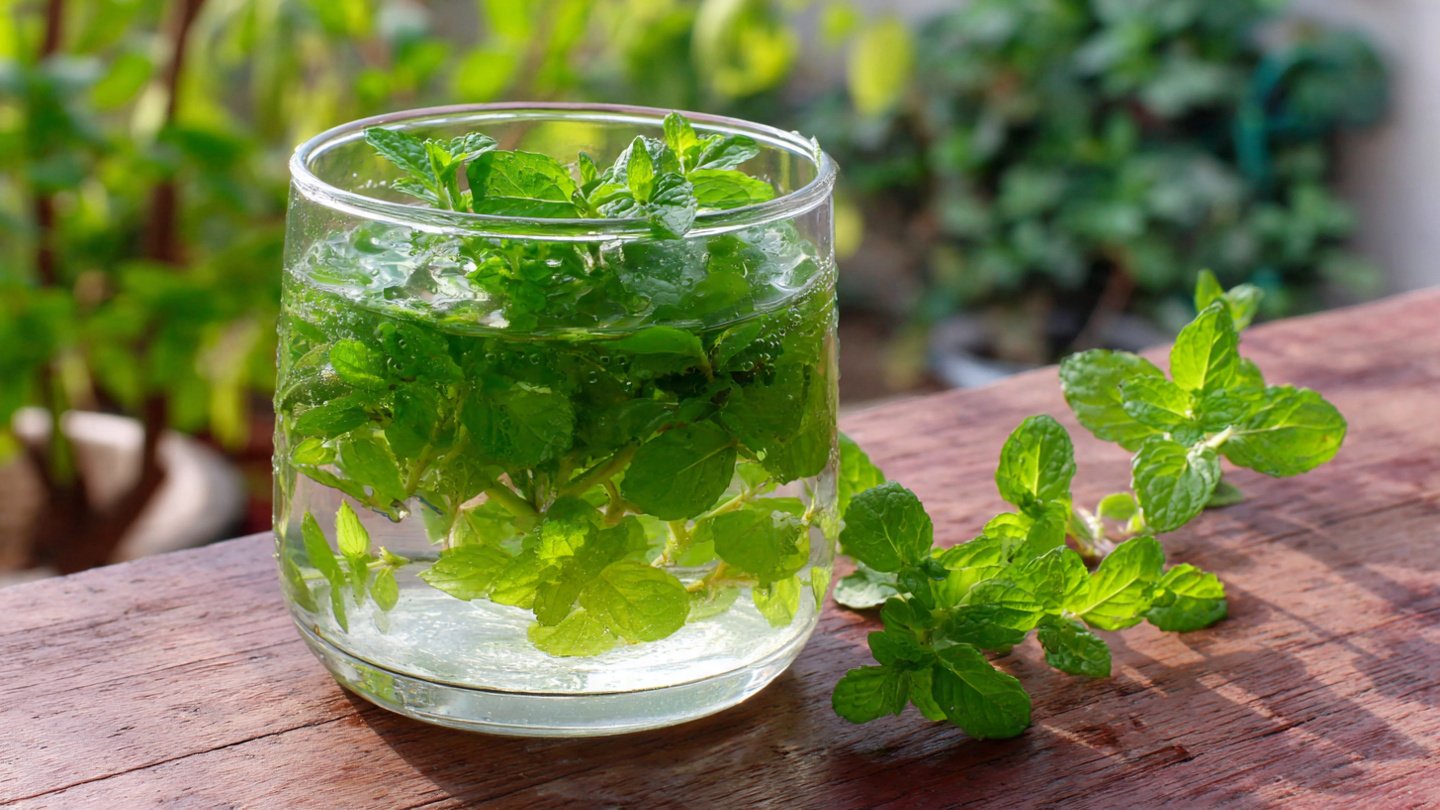
Pudina, or mint, is a fragrant and versatile herb that plays a vital role in various culinary dishes, beverages, and even in aromatherapy. Its refreshing aroma and taste have made it a favorite among chefs and home cooks alike. Growing pudina at home is both easy and rewarding, especially when done in water. This article will explore the best ways to grow pudina in water, ensuring you have fresh leaves available at your fingertips.
Why Grow Pudina in Water?
Growing pudina in water offers several advantages:
- Convenience: You don’t need a garden or outdoor space. A small countertop or windowsill can suffice.
- Easy Maintenance: Growing in water requires minimal care; you primarily need to change the water regularly.
- Quick Growth: Pudina tends to root quickly when propagated this way, providing you with fresh leaves in no time.
- Aesthetics: A water-based plant looks appealing and adds to your kitchen decor.
Step-by-Step Guide to Growing Pudina in Water
Step 1: Gather Your Supplies
To start growing pudina in water, you will need:

- Fresh puinda cuttings (preferably from a healthy plant).
- A transparent glass jar or vase.
- Clean, chlorine-free water.
- A sunny spot (like a windowsill) that gets indirect sunlight.
Step 2: Select the Right Cuttings
- Choose Healthy Stems: Look for cuttings that are about 4-6 inches long with healthy, vibrant green leaves. Avoid stems with yellowing leaves or signs of disease.
- Cut Above the Node: Using a clean, sharp scissors or knife, make a diagonal cut just below a node (the small bump on the stem where leaves grow). This increases the chance of successful rooting.
Step 3: Prepare the Water
- Use Clean Water: Fill your glass jar or vase with clean water. It’s essential that you use chlorine-free water to avoid harming the cuttings. If using tap water, let it sit for 24 hours to allow chlorine to evaporate.
- Submerge the Cuttings: Place the prepared cuttings in the water, ensuring that at least one node is submerged but the leaves are above the water’s surface. This helps prevent rot.
Step 4: Provide the Right Environment
- Light: Place the jar or vase in a sunny location that receives indirect sunlight. Direct sunlight can scorch the leaves, while too little light can hinder growth.
- Temperature: Mint thrives in warmer temperatures, ideally between 65°F to 75°F (18°C to 24°C).
- Change Water Regularly: Change the water every week or every few days if it appears cloudy. This prevents bacteria growth that can harm the cuttings.
Step 5: Observe the Growth
- Root Development: Within a week or two, you’ll notice roots starting to develop. Initially, they will be thin and white. Continue monitoring the growth.
- Growth of Leaves: Once the roots are about 1-2 inches long, you can expect new leaves to begin sprouting.
Step 6: Transplanting (Optional)
If you want to grow your pudina into a larger, more productive plant, consider transplanting it to soil once the roots are well-developed.
- Choose the Right Pot: Select a pot with drainage holes to prevent waterlogging.
- Soil: Use a well-draining potting mix, ideally a mix enriched with organic matter.
- Transfer the Cutting: Carefully transplant the rooted cuttings from water to soil, ensuring the roots are spread out without cramping.
- Watering: Water the freshly transplanted pudina generously but avoid overwatering.
Step 7: Harvesting
Once your pudina plants are established, you can start harvesting the leaves:
Latest Posts
- A Comprehensive Guide to Successfully Growing Grape Vines in Your Backyard for Beginners and Experts Alike
- Best Tips for Successful Mango Growth in Containers
- Discover the Simple Steps for Successfully Growing Coriander in a Pot
- Discovering the Ultimate Guide to Growing African Violets from Leaf Cuttings
- Simple Techniques for Successfully Growing Seedless Grapes in Home Gardens
- Ultimate Guide to Growing Balsam Plants Naturally for Vibrant Blooms
- Discover the Secrets to Growing Lush Leek Leaves with Simple Hacks for Beginners
- How to Successfully Cultivate Sweet Cherries in the Unique Climate of Canada
- The Ultimate Guide to Successfully Growing Beautiful Succulent Garden Plants at Home
- A Comprehensive Guide to Growing Dhania from Seeds for Beginners
- Pruning: Regularly prune the leaves and stems to promote bushier growth.
- Take Care: Avoid harvesting more than one-third of the plant at a time to ensure healthy growth.
Cooking with Fresh Pudina
The fresh flavors of homegrown pudina can significantly enhance various dishes:
- Pudina Chutney: Blend fresh pudina leaves with yogurt, green chilies, and spices to create a refreshing chutney.
- Herbal Teas: Add fresh leaves to hot water for a soothing herbal tea.
- Garnishes: Use fresh mint leaves to garnish salads, desserts, or drinks for a refreshing twist.
Common Issues in Growing Pudina in Water
- Rotting: If the leaves start to yellow and rot, it’s often due to poor water quality or leaves submerged in water. Ensure that only the nodes are submerged.
- Pest Infestation: If you see pests like aphids, it might be time to rinse your plant with water and potentially apply organic pesticides.
Tips for Success
- Be Patient: While mint grows fast, not all cuttings will root at the same rate. Monitor and be patient.
- Nutrient Supply: Once transplanted into soil, consider using a balanced fertilizer every few weeks to promote growth.
- Companion Plants: Pudina grows well alongside other herbs like basil and thyme. However, avoid planting it next to rosemary, which might outcompete it.
Conclusion
Growing pudina in water is a simple and rewarding endeavor that brings fresh flavors to your home. With minimal resources and care, you can enjoy the delightful taste of freshly harvested mint throughout the year. Embrace the journey of nurturing this fragrant plant, and discover the joy it brings to your culinary adventures.
FAQs
1. How long does it take for pudina cuttings to root in water?
Typically, mint cuttings will start rooting within 1-2 weeks, and you’ll notice significant root growth in about 2-4 weeks.
2. Can I grow pudina indoors?
Yes, pudina can be successfully grown indoors as long as it gets adequate light (preferably indirect sunlight) and the right temperature.
3. What if the water in my jar becomes cloudy?
If the water becomes cloudy, it’s best to change it immediately to prevent any bacterial growth that can damage the cuttings.
4. Do I need to fertilize pudina grown in water?
Fertilization isn’t necessary when growing pudina in water. However, if you transplant it to soil, consider fertilizing every few weeks.
5. Can I use store-bought mint for propagation?
Absolutely! Just ensure that the mint is fresh and healthy, as older or wilted herbs may not take root effectively.
6. How often should I harvest mint leaves?
You can harvest leaves as often as every couple of weeks, but be careful not to remove more than one-third of the plant to promote continuous growth.
7. Why are my mint leaves turning yellow?
Yellow leaves can indicate overwatering or insufficient nutrients. Ensure you’re providing the right amount of water and nutrients, especially if transplanted to soil.
8. How do I know when my pudina is ready to harvest?
Pudina is ready to harvest when it has grown abundant, vibrant leaves. A good rule is to wait until the plant is at least 6 inches tall before harvesting.

With the right approach and a little patience, you can enjoy the delightful aroma and taste of fresh pudina right from your kitchen, enriching every dish you prepare!