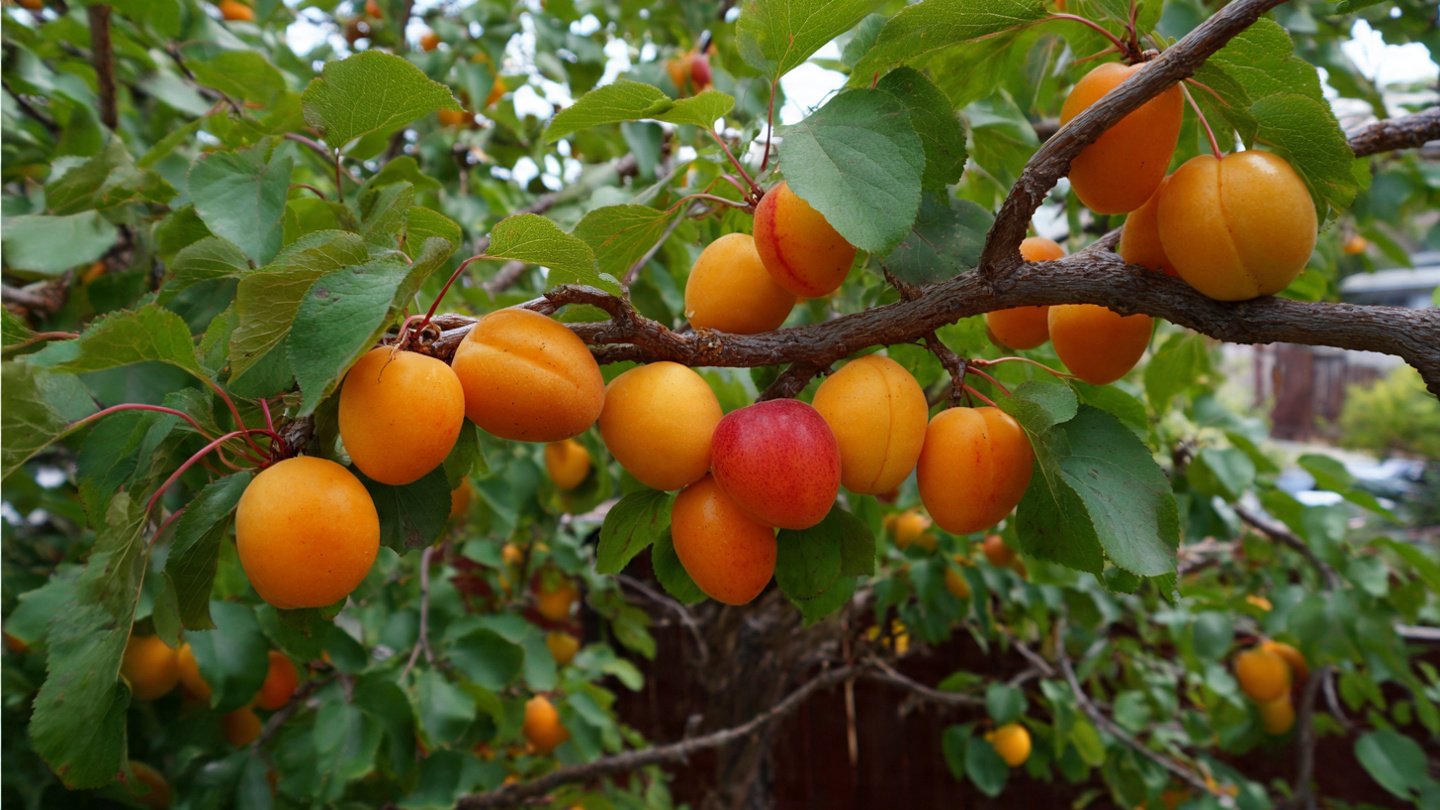
Growing apricots in colder climates may seem like a daunting task, but thanks to the development of cold hardy varieties, home gardeners can enjoy this luscious fruit despite chilly winters. This guide will walk you through everything you need to know about selecting, planting, nurturing, and harvesting cold hardy apricots in your backyard.
Understanding Cold Hardy Apricots
Cold hardy apricot varieties are specifically bred to withstand temperatures as low as -20°F (-29°C). These varieties, such as ‘Harcot’, ‘Tilton’, and ‘Suresh’, are perfect for gardeners living in USDA zones 3 to 6. Before you dive into planting, it’s essential to understand the characteristics of these varieties:
Latest Posts
- A Comprehensive Guide to Successfully Growing Grape Vines in Your Backyard for Beginners and Experts Alike
- Best Tips for Successful Mango Growth in Containers
- Discover the Simple Steps for Successfully Growing Coriander in a Pot
- Discovering the Ultimate Guide to Growing African Violets from Leaf Cuttings
- Simple Techniques for Successfully Growing Seedless Grapes in Home Gardens
- Ultimate Guide to Growing Balsam Plants Naturally for Vibrant Blooms
- Discover the Secrets to Growing Lush Leek Leaves with Simple Hacks for Beginners
- How to Successfully Cultivate Sweet Cherries in the Unique Climate of Canada
- The Ultimate Guide to Successfully Growing Beautiful Succulent Garden Plants at Home
- A Comprehensive Guide to Growing Dhania from Seeds for Beginners
-
Fruiting Habit: Cold hardy apricots generally produce fruit on one-year-old wood, which identifies the growth habit that should be supported through pruning.
-
Harvesting Time: Depending on the variety and local climate, apricots typically ripen late summer to early fall.
-
Flavor and Texture: These varieties usually offer a sweet, tangy flavor that pairs well in desserts or can be enjoyed fresh.
Selecting the Right Variety
Choosing the right variety is the first step in successfully growing cold hardy apricots. Here are three popular options:
-
Harcot: A Canadian variety known for its exceptional hardiness. Harcot features large, sweet fruit and good disease resistance, making it a popular choice.
-
Tilton: This variety produces medium-sized apricots that are sweet and juicy. Tilton is slightly less hardy than Harcot but adapts well to various soil types.
-
Suresh: Another Canadian cultivar, Suresh is recognized for its reliable yields and good flavor. It also shows resilience to cold temperatures.

Ensuring the variety is suited for your climate is crucial; work with local nurseries or extension services to find the best match for your region.
Site Selection and Preparation
Sunlight: Apricots thrive in full sun, requiring at least 6 to 8 hours of direct sunlight daily. Choose a site with southern or southwestern exposure for optimal growth.
Soil: Well-draining soil is vital for the health of apricot trees. They prefer sandy loam or loamy soil with a pH of around 6.0 to 7.5. Conduct a soil test if you’re unsure about pH levels or nutrient content.
Drainage: Apricots hate “wet feet.” Make sure to select a site that has good drainage. If your soil is heavy clay, consider raised beds or amended soil.
Space Requirements: Cold hardy apricot trees can grow up to 15 to 20 feet tall and wide. Space them at least 15 feet apart to prevent overcrowding and promote good air circulation.
Preparing the Soil
Before planting, enrich your soil with compost or well-rotted manure to improve fertility and drainage. Here’s how to prepare the soil:
- Remove any weeds, grass, or debris from the planting area.
- Amend the soil with organic matter (compost) to improve soil structure.
- If necessary, adjust the pH with lime (to raise) or sulfur (to lower).
- Work in a slow-release fertilizer according to package instructions.
Planting Cold Hardy Apricots
When to Plant: The best time to plant apricot trees is either in the early spring after the last frost or in the fall.
How to Plant:
- Dig the Hole: Create a hole that is twice as wide and deep as the root ball.
- Planting Depth: Plant the tree at the same depth it was in the nursery. Avoid planting too deep.
- Backfill: Fill the hole with a mix of native soil and compost, ensuring there are no air pockets.
- Watering: Water thoroughly after planting. Apricot trees need consistent moisture, particularly during their first growing season.
Watering and Fertilization
Watering: Apricot trees require regular watering, especially during dry spells and the fruiting period. Aim to keep the soil consistently moist but not soggy.
- Young Trees: Water weekly for the first two years.
- Mature Trees: Water once every two weeks during dry spells.

Fertilization: Early spring is the best time to fertilize. Use a balanced fertilizer designed for fruit trees, following recommended application rates. As the tree matures, you might need to reduce the frequency of fertilization.
Pruning and Care
Pruning
Pruning helps promote healthy growth, fruit production, and shape. Here’s how to do it:
- Timing: Prune in late winter or early spring before buds break.
- Technique: Remove any dead, diseased, or crossing branches. Focus on creating an open center to allow sunlight and air to circulate.
- Thinning: Thin out excessive fruiting spurs to maintain healthy growth.
Pest and Disease Management
Keeping your apricot trees healthy requires vigilance against pests and diseases:
- Pests: Common pests include aphids, spider mites, and peach tree borers. Insecticidal soap or neem oil can be effective for pest control.
- Diseases: Watch out for fungal infections such as brown rot and powdery mildew. Ensure good air circulation and consider organic fungicides if necessary.
Mulching
Applying a layer of organic mulch around the base of the tree helps conserve moisture, suppress weeds, and maintain soil temperature. Use wood chips, straw, or shredded leaves, but keep mulch a few inches away from the trunk.

Harvesting Your Apricots
The waiting game for ripe apricots is well worth it. Here are some tips for harvesting:
- Ripeness Indicators: Apricots are ready to harvest when they have a golden-orange color, slightly soft to the touch, and emit a sweet aroma.
- Harvesting Technique: Gently twist the fruit from the branch to avoid damaging the stem.
- Post-Harvest Care: Store apricots at room temperature for a few days, then refrigerate for optimal freshness.
Protecting Your Apricot Trees in Winter
Cold hardy doesn’t mean cold-resilient. Here are some winter care tips:
- Wrap the Trunk: Use tree wrap to protect young trees from winter sunscald and animal damage.
- Mulching: A thicker layer of mulch can help insulate the roots.
- Windbreaks: If your location is particularly windy, consider planting windbreaks or using burlap screens to shield your trees.
FAQs
1. Can apricots grow in pots?
Yes, you can grow cold hardy apricots in large containers. Choose a dwarf variety, and ensure adequate drainage and sun exposure.

2. How long does it take for apricot trees to bear fruit?
Cold hardy apricot trees typically take about 2 to 4 years to bear fruit after planting, depending on the variety and care.
3. What temperature is too cold for apricot trees?
While cold hardy varieties can withstand temperatures as low as -20°F, early bud break can be susceptible to late frosts. Protecting trees during unexpected cold snaps is crucial.
4. Do apricot trees need a pollinator?
Most cold hardy apricot trees are self-pollinating, but planting two varieties can enhance fruit set.
5. How do I know if my apricots are ripe?
Ripe apricots are typically golden-orange, slightly soft, and fragrant. Check daily as they approach ripeness.
Conclusion
With a bit of care and attention, you can successfully grow cold hardy apricots in your backyard, providing you with delicious fruit for years to come. From selecting the right variety to protecting your trees in winter, this guide equips you with all the knowledge you need to enjoy this rewarding gardening venture. Happy planting!