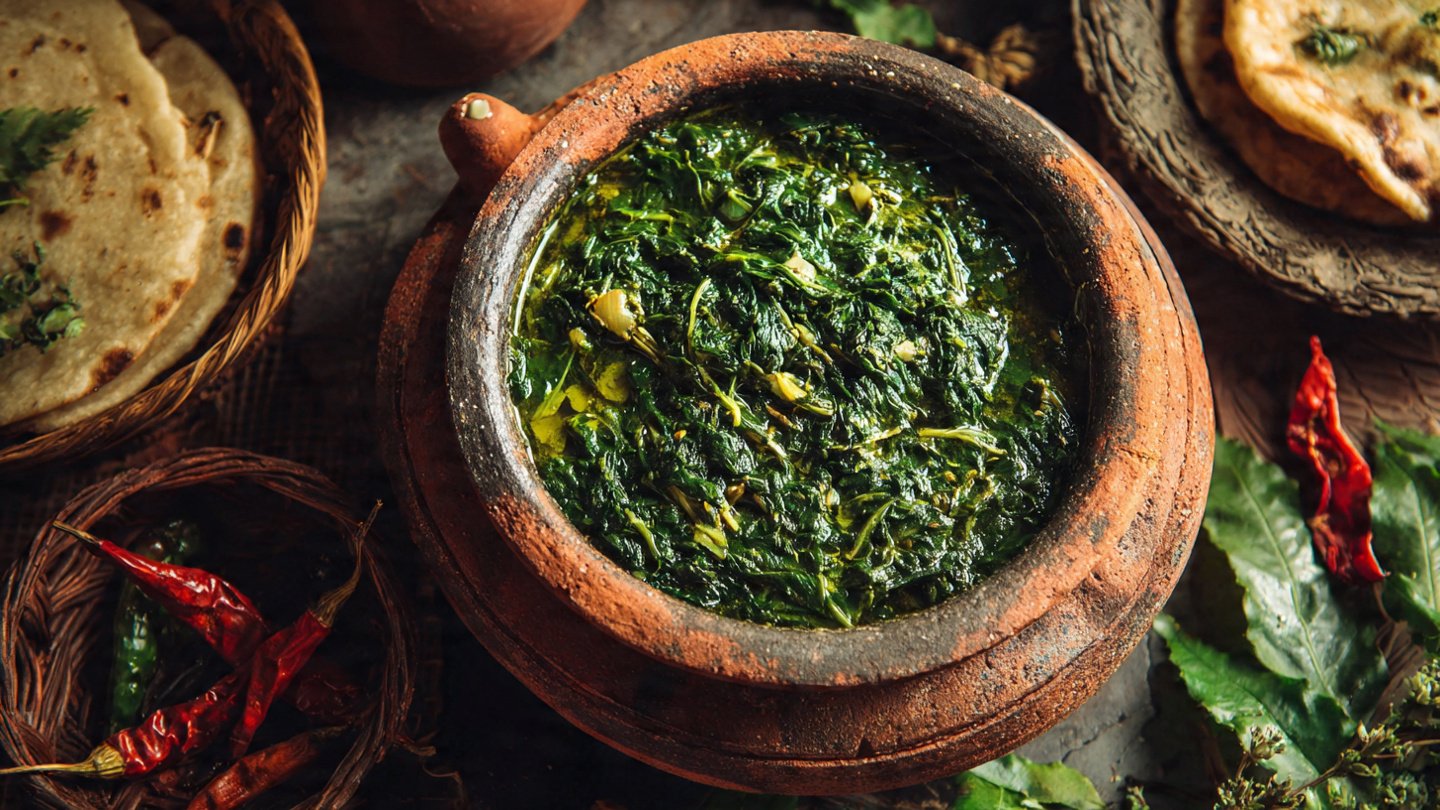
Sarson Saag, or mustard greens, is a beloved dish in many parts of India, particularly associated with Punjab. These greens are not only rich in flavor but also packed with nutrients. The process of growing Sarson Saag at home can be a rewarding experience, whether you are a novice gardener or an experienced green thumb. In this guide, we will explore everything you need to know about growing Sarson Saag, from selecting the right seeds to harvesting and preparing this delightful vegetable.
Understanding Sarson Saag
What is Sarson Saag?
Sarson Saag refers to the greens of the mustard plant, which are typically harvested when the leaves are young and tender. The plant belongs to the Brassicaceae family and is known for its peppery flavor. When cooked, the leaves become soft and earthy, making them perfect for a variety of dishes.
Nutritional Benefits
Sarson Saag is a powerhouse of nutrients. It is rich in vitamins A, C, and K, as well as minerals like calcium and iron. Including Sarson Saag in your diet can boost your immune system, improve bone health, and promote overall well-being.
Setting the Stage: Preparing to Grow Sarson Saag
Choosing the Right Location
To grow Sarson Saag successfully, you need to find a suitable location in your garden or on your balcony:

- Sunlight: Mustard greens prefer full sun, which means they need at least 6-8 hours of direct sunlight each day.
- Soil: They thrive in well-drained, fertile soil rich in organic matter. A pH level between 6.0 and 7.5 is ideal.
Required Tools and Materials
Before you start, gather the necessary tools and materials:
Latest Posts
- A Comprehensive Guide to Successfully Growing Grape Vines in Your Backyard for Beginners and Experts Alike
- Best Tips for Successful Mango Growth in Containers
- Discover the Simple Steps for Successfully Growing Coriander in a Pot
- Discovering the Ultimate Guide to Growing African Violets from Leaf Cuttings
- Simple Techniques for Successfully Growing Seedless Grapes in Home Gardens
- Ultimate Guide to Growing Balsam Plants Naturally for Vibrant Blooms
- Discover the Secrets to Growing Lush Leek Leaves with Simple Hacks for Beginners
- How to Successfully Cultivate Sweet Cherries in the Unique Climate of Canada
- The Ultimate Guide to Successfully Growing Beautiful Succulent Garden Plants at Home
- A Comprehensive Guide to Growing Dhania from Seeds for Beginners
- Seeds of Sarson (mustard greens)
- Seedling trays or seedbed
- Garden spade or trowel
- Compost or well-rotted manure
- Watering can or hose
- Mulch (optional)
Growing Sarson Saag: Step-by-Step Instructions
Step 1: Selecting Seeds
Choose high-quality seeds from a reliable supplier. You might opt for traditional or hybrid varieties based on your taste preferences and climatic conditions.
Step 2: Preparing the Soil
- Clear the Area: Remove any weeds or debris from the growing area.
- Loosen the Soil: Use a garden spade to break up the soil, ensuring it is well-aerated.
- Add Organic Matter: Mix in compost or well-rotted manure to enrich the soil.
- Level the Soil: Rake the surface to create a smooth and even bed.
Step 3: Sowing Seeds
- Seed Spacing: Sow the seeds about 1-2 inches apart and cover them with about half an inch of soil.
- Watering: Water the area gently to avoid washing away the seeds.
Step 4: Germination
Seeds will typically germinate within 7-14 days, depending on the temperature and moisture levels. Keep the soil consistently moist.
Step 5: Thinning Seedlings
Once the seedlings are about 3 inches tall, thin them out to allow for better air circulation and space for growth. Aim for a spacing of 6-10 inches between plants.
Step 6: Watering and Fertilizing
- Watering Needs: Keep the soil moist but avoid overwatering. Generally, water every few days depending on the weather.
- Fertilizing: After 3-4 weeks, you can add a balanced, nitrogen-rich fertilizer to promote healthy leaf growth.
Step 7: Mulching
Applying a layer of mulch can help retain soil moisture and suppress weeds. Organic materials like straw or grass clippings work effectively.
Pest and Disease Management
Pests such as aphids, caterpillars, and flea beetles can be a nuisance. Here are some strategies to manage them:
- Natural Predators: Encourage beneficial insects like ladybugs and lacewings.
- Organic Sprays: Use neem oil or insecticidal soap as a preventive measure.
- Crop Rotation: Avoid planting mustard greens in the same area each season to prevent soil-borne diseases.
Harvesting Sarson Saag
The optimal time for harvesting Sarson Saag is when the leaves are young and tender, typically 6-8 weeks after sowing. Here’s how to do it:
- Cutting: Use a pair of scissors or garden shears to cut the outer leaves first, leaving the inner leaves to grow.
- Timing: Harvest during the cooler parts of the day for the best flavor.
- Storage: If you’re not cooking them immediately, store the leaves in a breathable bag in the refrigerator, where they can last for up to a week.
Preparing and Cooking Sarson Saag
Sarson Saag can be enjoyed in numerous ways—from steaming it as a side dish to making the traditional Punjabi dish Sarson da Saag, which is often paired with Makki di Roti (corn flatbread). Here’s a simple recipe to get you started:
Simple Sarson da Saag Recipe
Ingredients:
- 1 bunch of Sarson Saag
- 1 onion, finely chopped
- 2-3 green chilies, chopped
- 1 tablespoon ginger-garlic paste
- 2 tablespoons ghee or oil
- Salt to taste
Instructions:
- Preparation: Clean and chop the Sarson Saag.
- Cooking: In a pan, heat ghee and sauté onions until golden brown. Add ginger-garlic paste and green chilies.
- Add Greens: Stir in the chopped Sarson Saag and cook until wilted.
- Season: Add salt and cook for another few minutes.
Serve hot with Makki di Roti and a dollop of butter for an authentic experience!
Conclusion
Growing Sarson Saag at home can be a gratifying gardening project that yields delicious, nutritious greens. Whether you are a beginner or an expert gardener, following this guide will help you cultivate your own Sarson Saag garden successfully. Enjoy the process and savor the fruits of your labor!

FAQs
Q1: How long does it take for Sarson Saag to grow?
A1: Sarson Saag typically takes about 6-8 weeks to grow from seed to harvest.
Q2: Can I grow Sarson Saag in containers?
A2: Yes, Sarson Saag can be successfully grown in containers as long as they have adequate drainage and sunlight.
Q3: What is the best time to plant Sarson Saag?
A3: The best time to plant Sarson Saag is in the cooler months, such as late autumn to early spring, depending on your climate.
Q4: How often should I water my Sarson Saag plants?
A4: Water your Sarson Saag plants every few days, keeping the soil consistently moist but not waterlogged.

Q5: What pests should I watch out for when growing Sarson Saag?
A5: Common pests include aphids, caterpillars, and flea beetles. Use natural predators or organic sprays for control.