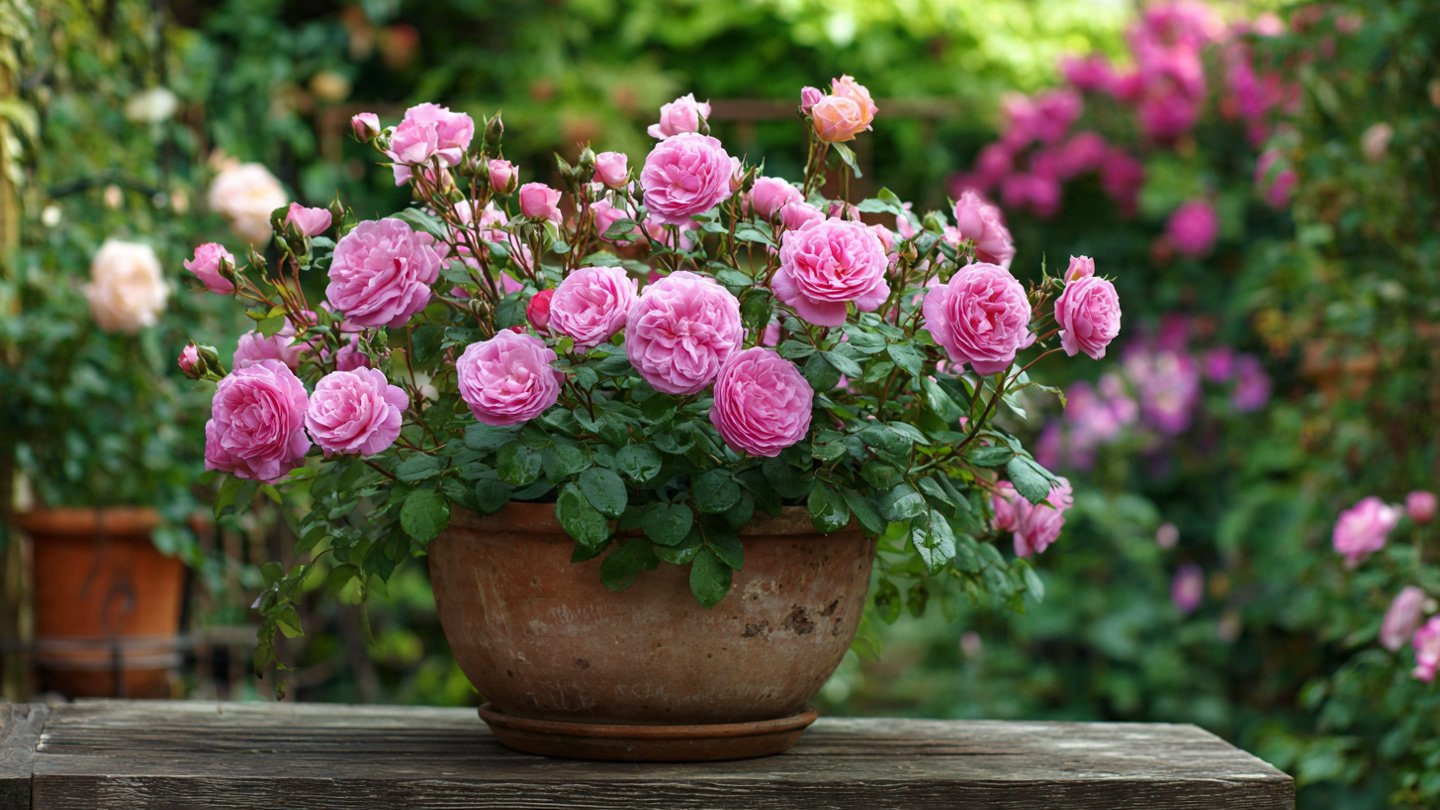
Roses, revered for their enchanting beauty and delightful fragrance, can make a stunning addition to any garden space. Growing roses in containers is an excellent option for those with limited gardening space, poor soil, or a desire for versatility in plant placement. This comprehensive guide will show you how to grow roses in containers successfully, ensuring that your rose plants thrive and produce stunning blooms.
Table of Contents
- A Comprehensive Guide to Successfully Growing Grape Vines in Your Backyard for Beginners and Experts Alike
- Best Tips for Successful Mango Growth in Containers
- Discover the Simple Steps for Successfully Growing Coriander in a Pot
- Discovering the Ultimate Guide to Growing African Violets from Leaf Cuttings
- Simple Techniques for Successfully Growing Seedless Grapes in Home Gardens
- Ultimate Guide to Growing Balsam Plants Naturally for Vibrant Blooms
- Discover the Secrets to Growing Lush Leek Leaves with Simple Hacks for Beginners
- How to Successfully Cultivate Sweet Cherries in the Unique Climate of Canada
- The Ultimate Guide to Successfully Growing Beautiful Succulent Garden Plants at Home
- A Comprehensive Guide to Growing Dhania from Seeds for Beginners
- Why Grow Roses in Containers?
- Choosing the Right Container
- Selecting the Best Rose Varieties for Containers
- Soil and Fertilization
- Watering Techniques
- Light Requirements
- Pruning and Maintenance
- Pest and Disease Management
- Winter Care for Container Roses
- FAQs
Latest Posts
1. Why Grow Roses in Containers?
Growing roses in containers offers numerous benefits:
- Mobility: Containers allow gardeners to rearrange plants as needed, ensuring optimal sunlight exposure or creating desired aesthetics.
- Soil Control: Planting in containers lets you control soil quality, reducing the likelihood of diseases that may exist in the ground.
- Space Efficiency: Roses in containers are perfect for small gardens, patios, or balconies, enabling you to enjoy their beauty without requiring extensive garden space.
- Accessibility: Container gardening makes it easier for individuals with mobility issues to tend to their plants.

2. Choosing the Right Container
Selecting the right container is critical to the success of your container roses.
-
Size: Choose a container that is at least 12 inches deep and wide, as roses need space for their roots to expand. Larger containers (18-24 inches) are even better, providing more stability and moisture retention.
-
Material: Containers made of materials like terracotta, ceramic, or sturdy plastic are popular. Terracotta is breathable but can dry out quickly. Plastic retains moisture better but may not provide as much insulation.
-
Drainage: Ensure your container has drainage holes to prevent waterlogging, which can lead to root rot. If you find a container without holes, you can drill some or use it as a decorative outer pot.
3. Selecting the Best Rose Varieties for Containers
Not all roses are suitable for container gardening. Here are some varieties that thrive in pots:
-
Miniature Roses: Ideal for small spaces, these compact plants produce an abundance of flowers and have a variety of colors.
-
Patio Roses: Slightly larger than miniature varieties, patio roses bear full-sized blooms and are perfect for small patios or balconies.
-
Climbing Roses: If you have vertical space, climbing roses can be trained up a trellis or arbor, creating a stunning display.

-
Shrub Roses: These hardy plants can do well in containers and provide beautiful blooms throughout the season.
4. Soil and Fertilization
The right soil blend is essential for healthy roses.
-
Soil Mix: Use a high-quality potting mix designed for container gardening. This mix should provide good drainage while retaining moisture. You can also add compost to enrich nutrients.
-
Fertilization: Roses benefit from regular fertilization. Use a half-strength liquid fertilizer every 4-6 weeks during the growing season. Choose fertilizers with balanced ratios of nitrogen, potassium, and phosphorus for optimal growth and flowering.
5. Watering Techniques
Proper watering techniques are crucial for the health of your container roses.
-
Frequency: Water roses at least once a week, ensuring the soil is moist but not soggy. During hotter weather, you may need to water more frequently.
-
Technique: Water thoroughly, allowing water to flow out of the drainage holes. This ensures that the roots get enough moisture. Avoid letting roses sit in standing water, as this can lead to root rot.
6. Light Requirements
Roses thrive in sunlight, so positioning your containers correctly is vital.

-
Sunlight Exposure: Aim for at least 6-8 hours of direct sunlight daily. Morning sun is especially beneficial, as it helps dry dew on the leaves, reducing the risk of disease.
-
Adjusting Position: Depending on your climate and time of year, you may need to move containers to optimize sun exposure. If you notice leggy growth, your roses may need more light.
7. Pruning and Maintenance
Regular maintenance will keep your container roses healthy and blooming.
-
Pruning: Prune your roses in late winter or early spring before new growth begins. Remove dead or crossing branches and trim to shape the plant. Deadheading spent flowers promotes continuous blooming.
-
Mulching: Add a layer of organic mulch (like wood chips or bark) around the base to help retain moisture and suppress weeds.
-
Monitoring: Keep an eye on overall health, checking for signs of disease or pests regularly.
8. Pest and Disease Management
Container roses are not immune to pests and diseases.
-
Common Pests: Aphids, spider mites, and whiteflies can be troublesome for roses. Use insecticidal soap or neem oil to control infestations.

-
Fungal Diseases: Powdery mildew and black spot are common issues. Ensure good air circulation and avoid overhead watering. Remove affected leaves immediately.
-
Organic Solutions: Consider introducing beneficial insects like ladybugs to manage pests naturally.
9. Winter Care for Container Roses
Caring for your container roses during winter is essential, especially in colder climates.
-
Insulation: Insulate the pots with materials like burlap or bubble wrap to protect the roots from freezing temperatures.
-
Sheltering: If possible, move containers to a sheltered location, such as a garage or shed, during severe cold snaps. If leaving them outside, group containers together to create a microclimate.
-
Watering: Reduce watering in winter, but do not let the soil completely dry out.
10. FAQs
1. Can I grow any type of rose in a pot?
While many rose types can be grown in containers, miniature, patio, and shrub roses are particularly suited for pot culture. Climbing roses can be grown in large pots with trellises for support.
2. How often should I water my container roses?
Water your container roses at least once a week, or more frequently during hot and dry periods. Always check the soil moisture first.

3. Do I need to fertilize container roses?
Yes, container roses benefit from regular fertilization. Use a balanced liquid fertilizer every 4-6 weeks during the growing season.
4. When should I prune my container roses?
Prune your roses in late winter or early spring before new growth starts. Remove dead or crossing branches and shape the plant as needed.
5. How do I protect container roses in winter?
Insulate the pots and consider moving them to a sheltered location during severe cold temperatures. Reduce watering during winter to avoid root rot.
6. What pests should I look for?
Aphids, spider mites, and whiteflies are common pests. Monitor your plants regularly and use insecticidal soap or neem oil for treatment if necessary.
Conclusion
Growing roses in containers can be a rewarding endeavor, allowing you to bring beauty and fragrance to your outdoor spaces, regardless of size. With the right container, soil, care, and attention to light and watering, your container roses can flourish and add charm to your garden or patio. Follow these guidelines, and enjoy the stunning blooms that roses offer for many growing seasons to come.