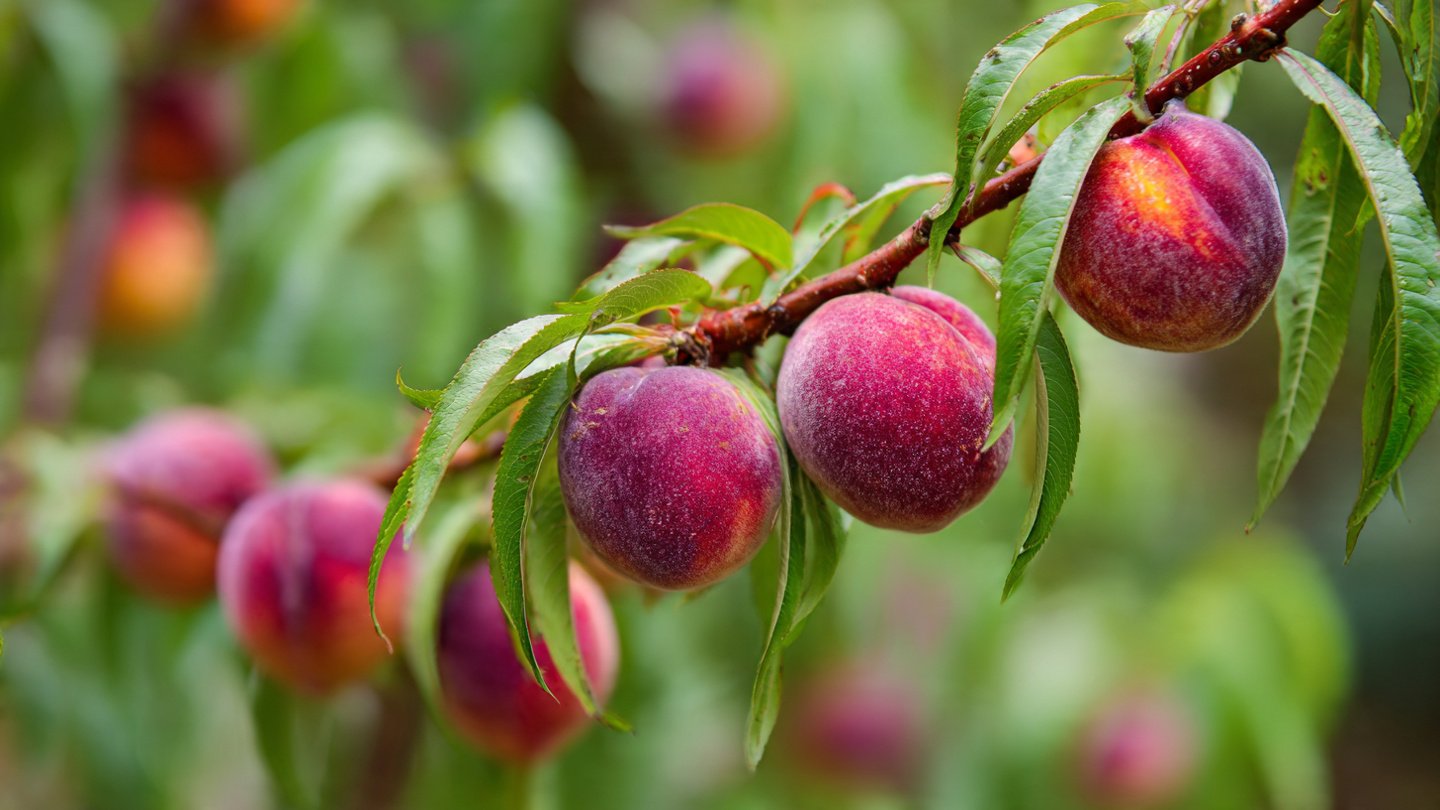
Growing peaches in containers can be a rewarding endeavor for home gardeners, especially those with limited space or poor soil conditions. This guide will provide you with essential tips, techniques, and care instructions to cultivate healthy, delicious peaches right from your own patio or balcony.
Understanding Peach Varieties
Before diving into the specifics of container gardening, it’s essential to understand that not all peach varieties are suitable for container growth. Here are a few popular varieties that thrive in pots:
Latest Posts
- A Comprehensive Guide to Successfully Growing Grape Vines in Your Backyard for Beginners and Experts Alike
- Best Tips for Successful Mango Growth in Containers
- Discover the Simple Steps for Successfully Growing Coriander in a Pot
- Discovering the Ultimate Guide to Growing African Violets from Leaf Cuttings
- Simple Techniques for Successfully Growing Seedless Grapes in Home Gardens
- Ultimate Guide to Growing Balsam Plants Naturally for Vibrant Blooms
- Discover the Secrets to Growing Lush Leek Leaves with Simple Hacks for Beginners
- How to Successfully Cultivate Sweet Cherries in the Unique Climate of Canada
- The Ultimate Guide to Successfully Growing Beautiful Succulent Garden Plants at Home
- A Comprehensive Guide to Growing Dhania from Seeds for Beginners
-
Garden Gold: This variety is compact, producing medium-sized fruits with excellent flavor. It’s self-pollinating, making it ideal for smaller spaces.
-
Bonanza: A dwarf variety that reaches about 3-4 feet tall and yields sweet peaches. It’s perfect for container gardening and has ornamental qualities.
-
Honey Babe: Another compact type, this tree bears juicy, flavorful peaches and grows well in pots under the right conditions.
Choosing the right variety is crucial for successful fruit production, so assess your climate and container space before making a selection.
Choosing the Right Container
1. Size Matters: Start with a container that’s at least 18-24 inches deep and wide. The roots of peach trees need ample room to grow. A larger container may help in holding moisture and nutrients.

2. Material Selection: Choose a container made of materials like terracotta, plastic, or wood. Ensure it has good drainage holes at the bottom to prevent root rot.
3. Lightweight vs. Heavy: If you plan to move your tree, consider a lightweight option. Heavy-duty plastic pots can be excellent for providing stability and reducing evaporation.
Soil Requirements
Peach trees require well-draining soil to thrive in container environments. Here’s what you should consider:
1. Potting Mix: Use a high-quality potting mix that includes organic matter, such as compost or peat moss. Look for mixes specifically designed for container gardening.
2. pH Level: Peach trees prefer slightly acidic to neutral pH levels (around 6.0 to 7.0). You can test your soil with a simple home testing kit available at garden centers.
3. Nutrient-Rich: Consider mixing in slow-release fertilizers specifically formulated for fruit trees to provide the necessary nutrients throughout the growing season.
Planting Peaches in Containers
1. Timing: The best time to plant your peach tree in a container is in the spring after the last frost. This allows the tree to establish itself before the heat of summer.
2. Planting Method:
- Begin by filling the container with the potting mix, leaving about 2-3 inches of space at the top.
- Create a hole in the center deep enough for the root ball, then gently place the peach tree in the hole.
- Fill in around the roots with more potting mix, firming it down gently to eliminate air pockets.
- Water thoroughly after planting to help settle the soil.
Watering Techniques
1. Consistency Is Key: Container plants dry out quicker than those in the ground. Check the soil moisture regularly, especially during hot weather.
2. Deep Watering: Water deeply until you see water draining from the bottom of the pot. This encourages deep root growth.
3. Avoid Over-Watering: While it’s essential to keep the soil moist, over-watering can lead to root rot. Always let the top inch of soil dry out between watering.
Sunlight Requirements
Peach trees require full sun for optimal growth. Aim for at least 6 hours of direct sunlight every day. If your patio or balcony is shaded in the afternoons, consider relocating your container to a sunnier spot.
Fertilizing Peaches in Containers
Fertilization is crucial for container-grown peach trees since they rely entirely on the nutrients you provide:
1. When to Fertilize: Begin fertilizing in early spring as new growth starts, and continue every 4-6 weeks until late summer.
2. Fertilizer Type: Use a balanced, slow-release fertilizer high in potassium to encourage flower and fruit development.
Pruning and Training
Pruning is vital to ensure proper airflow and sunlight penetration. Here’s how to keep your peach tree healthy and productive:
1. Pruning Timing: Prune in late winter or early spring, before new growth begins.
2. Appropriate Cuts: Remove any dead or diseased branches and thin out overcrowded areas. Aim to maintain an open center to encourage good air circulation.
3. Training: If your tree becomes too tall, consider training it into a more manageable shape. Dwarf varieties naturally remain shorter, but taller varieties may need regular maintenance.
Pest and Disease Management
Container peach trees are susceptible to certain pests and diseases. Here’s how to manage them:
1. Common Pests: Aphids, spider mites, and peach tree borer are common nuisances. Regularly inspect your tree for signs of infestation.

2. Organic Remedies: Use insecticidal soap or neem oil for pest control. Ensure that you follow the application guidelines to protect beneficial insects.
3. Disease Prevention: Fungal diseases like peach leaf curl can be controlled by ensuring good air circulation and avoiding overhead watering.
Harvesting Peaches
1. Ripeness Indicators: Peaches will change color and become fragrant as they ripen. Harvest fruits when they’re slightly soft to the touch.
2. Gentle Handling: Since container fruits may be susceptible to bruising, handle them carefully during harvesting.
3. Timing: The exact harvest time will vary by variety but typically occurs in late summer.
Winter Care
If you live in colder climates, winter care is essential to protect your young peach tree from frost damage:
1. Move Indoors: If possible, bring your pot indoors during extreme cold periods.
2. Insulation: If leaving it outside, wrap the container in bubble wrap or burlap to help insulate the roots.

3. Reduce Watering: Reduce watering during dormancy, but do not allow the soil to dry out completely.
FAQs
Q1: Can I grow peaches in a small balcony?
A1: Yes, as long as you choose a dwarf variety and provide adequate sunlight and care.
Q2: How often should I fertilize my container peach tree?
A2: You should fertilize every 4-6 weeks during the growing season, starting in early spring.
Q3: What’s the minimum temperature peaches can tolerate?
A3: Most peach varieties require a chilling period between 32°F and 45°F for proper fruit development.
Q4: Can I grow peaches from seeds?
A4: Yes, you can grow peaches from seeds, but it’s a lengthy process and may not yield the same quality of fruit as grafted trees.
Q5: What pests should I watch for, and how can I deter them?
A5: Common pests include aphids and spider mites. Use organic insecticidal soap or neem oil for control.
Conclusion
Growing peaches in containers is an exciting and fruitful endeavor for any gardener. With the right variety, appropriate care, and attention to detail, you can enjoy fresh, homegrown peaches throughout the summer. Remember to monitor your tree for pests, ensure optimal sunlight, and provide regular nourishment through fertilization. By following this guide, you’ll be well on your way to enjoying delicious peaches right from your own garden space. Happy gardening!