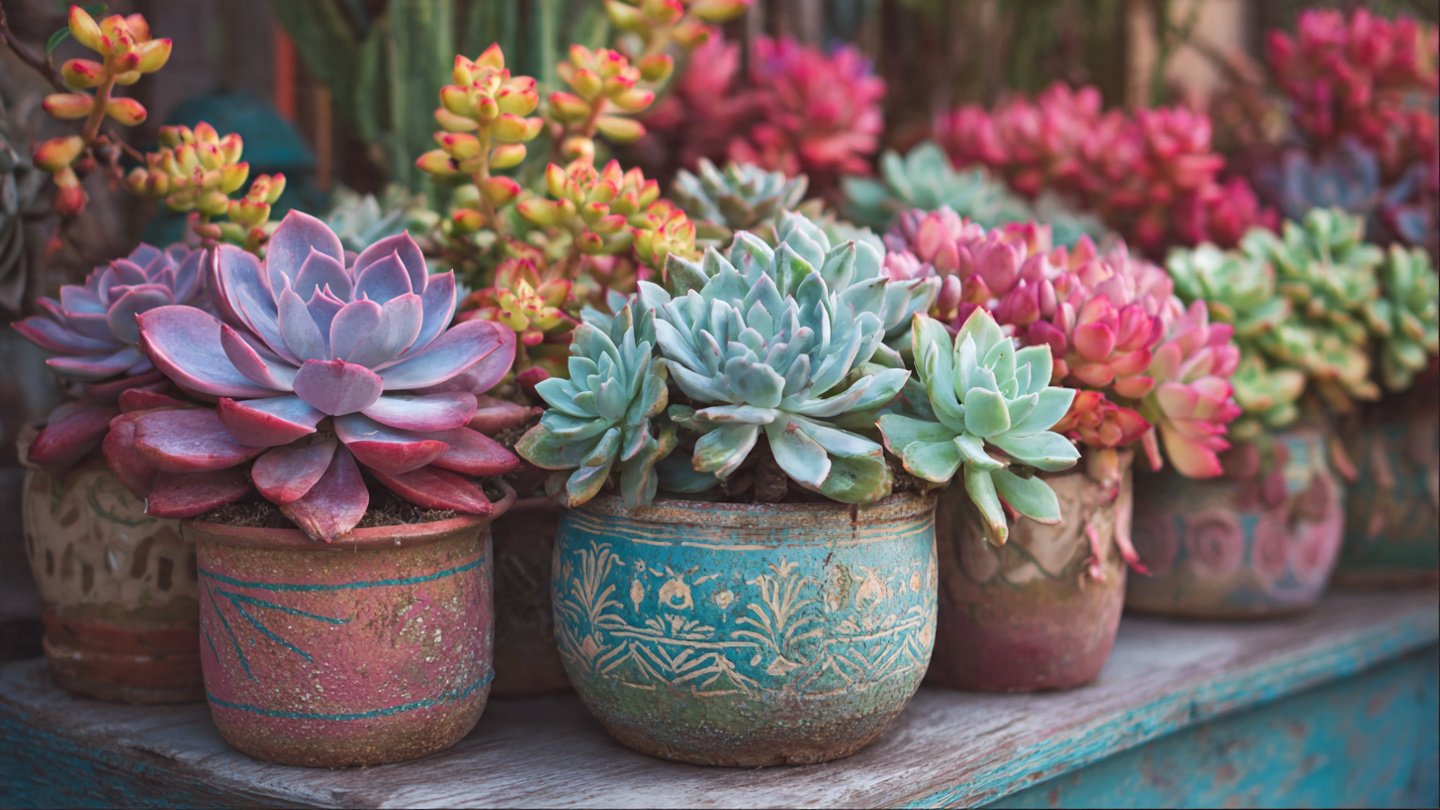
Echeveria succulents have become synonymous with low-maintenance gardening and stunning aesthetic appeal. Known for their vibrant colors, diverse shapes, and rosette formations, these succulents can transform any garden into a miniature wonderland. In this ultimate guide, we’ll delve deep into everything you need to know about growing Echeveria succulents, including care tips, propagation methods, and creative ways to incorporate them into your outdoor and indoor spaces.
Understanding Echeveria: An Overview
Echeveria belongs to the Crassulaceae family and includes over 100 species originating from Mexico and Central America. These succulents are characterized by their thick leaves, vibrant hues, and easy adaptability to various environments. They thrive in well-draining soil and are perfect for both beginners and seasoned gardeners alike.
Latest Posts
- A Comprehensive Guide to Successfully Growing Grape Vines in Your Backyard for Beginners and Experts Alike
- Best Tips for Successful Mango Growth in Containers
- Discover the Simple Steps for Successfully Growing Coriander in a Pot
- Discovering the Ultimate Guide to Growing African Violets from Leaf Cuttings
- Simple Techniques for Successfully Growing Seedless Grapes in Home Gardens
- Ultimate Guide to Growing Balsam Plants Naturally for Vibrant Blooms
- Discover the Secrets to Growing Lush Leek Leaves with Simple Hacks for Beginners
- How to Successfully Cultivate Sweet Cherries in the Unique Climate of Canada
- The Ultimate Guide to Successfully Growing Beautiful Succulent Garden Plants at Home
- A Comprehensive Guide to Growing Dhania from Seeds for Beginners
Why Choose Echeveria?
- Aesthetic Appeal: Echeverias boast a range of colors from green to deep purple, and even pastel shades, making them eye-catching.
- Low Maintenance: They require minimal watering and care, ideal for busy gardeners.
- Versatile Planting Options: Echeveria can be planted in pots, terrariums, or directly in the garden, adapting to various styles and spaces.
Choosing the Right Echeveria
With so many varieties available, choosing the right type of Echeveria can be overwhelming. Here are some popular options that are sure to impress:
1. Echeveria elegans
Also known as the Mexican Snowball, this variety features beautiful soft green leaves that can develop a pink tint. It’s a popular starter plant due to its hardiness.

2. Echeveria agavoides
With its striking rosette shape and jagged edges, Echeveria agavoides is known as the “Atomic Star.” Its deep green leaves often turn bright red at the tips under stress.
3. Echeveria ‘Lola’
Echeveria ‘Lola’ showcases a delicate pastel purple hue, making it a favorite among succulent lovers for its unique color.
4. Echeveria runyonii ‘Topsy Turvy’
This variety is characterized by its unique, upward-facing leaves. Its attractive shape makes it a statement piece either indoors or outdoors.
Creating the Perfect Environment
Sunlight Needs
Echeveria succulents thrive in bright, indirect sunlight. Ideally, placing them in an area that receives 6 hours of morning sunlight and some afternoon shade will promote optimal growth while preventing leaf burn.
Soil Requirements
Well-draining soil is essential for Echeveria. A cactus or succulent potting mix is often ideal, or you can create your own by mixing regular potting soil with perlite and sand.
Watering Tips

The biggest challenge in caring for Echeveria is finding the right watering routine. Here’s how to master it:
- Soak and Dry Method: Water the plant thoroughly until it drains from the bottom, then allow the soil to dry out completely before watering again. This typically means watering every two weeks, but it can vary based on the climate.
- Seasonal Adjustments: In winter, Echeveria enters dormancy and requires less water (about once a month). Be cautious during humid months as overwatering can occur easily.
Temperature and Humidity
Echeveria prefers temperatures between 60°F and 80°F (15°C to 27°C). While they can tolerate higher temps, they are not frost-resistant. If you live in a colder climate, consider bringing them indoors during winter.
Propagating Echeveria Succulents
Propagating Echeveria is both rewarding and simple. There are two popular methods: leaf cuttings and offsets.
Leaf Cuttings
- Choose a Healthy Leaf: Select a mature, healthy leaf from the plant.
- Cut and Dry: Gently twist off the leaf (don’t cut it) and place it on a dry surface for a few days to form a callus.
- Planting: Once the callus has formed, place the leaf on top of a well-draining succulent soil. Lightly mist it to encourage moisture.
- Wait for Roots: After a few weeks, small roots will begin to grow, followed by a new rosette.

Offsets
- Identify Offsets: Offsets are small plants that grow around the base of the mother plant.
- Remove: Carefully pull the offset away from the parent plant, ensuring you have roots attached.
- Replant: Place the offset in a new pot with well-draining soil. This method is often faster and yields a larger plant.
Creative Uses for Echeveria in Garden Décor
Echeveria can enhance your garden’s aesthetic in countless ways. Here are some creative ideas to inspire you:
1. Container Gardens
Choosing colorful pots or unique containers to house Echeveria creates a vibrant display. Mix different varieties for visual interest, ensuring they have similar light and water needs.
2. Vertical Gardens
Echeveria is perfect for vertical gardening. Use wall-mounted planters or trellises to create a stunning green wall that’s both artistic and space-efficient.
3. Terrariums
Create miniature ecosystems in glass terrariums using small Echeveria plants, pebbles, and decorative stones. This option is perfect for indoor environments.

4. Rock Gardens
Incorporating Echeveria into rock gardens emphasizes their natural beauty. Pair them with stones, gravel, and other drought-resistant plants for a cohesive look.
5. Centerpieces
Echeveria makes for stunning outdoor or indoor centerpieces. Arrange them with flowers, candles, or decorative twigs for an eye-catching display.
Common Pests and Diseases
While Echeveria is generally pest-resistant, they can fall victim to mealybugs, aphids, and fungus gnats. Monitor your plants and use insecticidal soap or neem oil as needed. Overwatering can lead to root rot; always ensure good air circulation to prevent fungal infections.
Conclusion
Echeveria succulents are the perfect addition to any garden or home, providing vibrant colors and unique shapes that will captivate anyone who sees them. With their low maintenance requirements and adaptability, they provide a stunning solution for all gardening enthusiasts, regardless of experience level.
By following the guidance provided in this ultimate guide, you can successfully grow Echeveria and elevate your garden decor to new heights. Your garden can become a popular attraction and a tranquil oasis that not only delights you but also enchants every visitor.
FAQs
1. How often should I water Echeveria?
Water your Echeveria deeply but infrequently, allowing the soil to dry out completely between waterings. Typically, you can water every two weeks, adjusting for seasonal changes.

2. Can Echeveria survive indoors?
Yes, Echeveria can thrive indoors if they receive enough bright, indirect sunlight. Place them near a sunny window for optimal growth.
3. What can I do if my Echeveria is stretching?
If your Echeveria is stretching (elongating leaves), it may not be getting enough light. Move it to a brighter location to encourage it to grow more compact.
4. Are Echeveria toxic to pets?
Echeveria is generally non-toxic to cats and dogs, making them a safe choice for pet owners.
5. How do I know if my Echeveria is overwatered?
Signs of overwatering include yellowing leaves, mushy stems, and root rot. Always allow the soil to dry out before watering again.
By integrating Echeveria into your garden, either outdoors or indoors, you’re setting the stage for a stunning display that will impress all who behold it. Happy gardening!