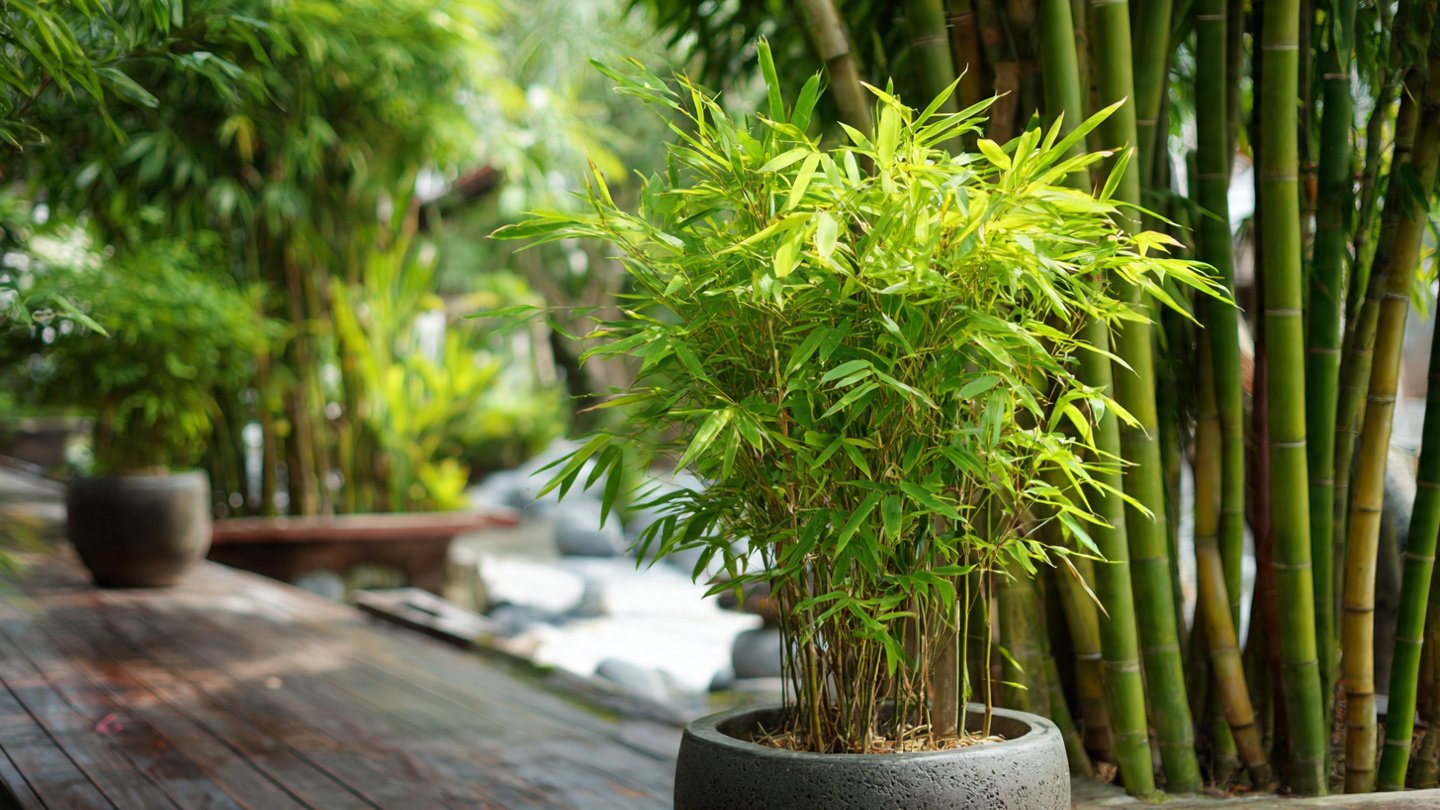
Bamboo has long been celebrated for its beauty, versatility, and rapid growth, making it a popular choice for gardeners seeking to enhance their outdoor spaces. With over 1,000 species worldwide, bamboo can be found in various sizes, shapes, and colors, offering endless possibilities for landscaping and decoration. This ultimate guide will walk you through the essential aspects of growing bamboo, from selection and planting to maintenance and design ideas.
1. Understanding Bamboo
Bamboo is a member of the grass family, Poaceae, and is known for its unique growth characteristics. Unlike trees, bamboo can grow exceptionally fast – some species can reach heights of over 100 feet, and they can grow up to 3 feet in one day! Bamboo is also known for its strength and resilience, rivaling that of steel in tensile strength.
Latest Posts
- A Comprehensive Guide to Successfully Growing Grape Vines in Your Backyard for Beginners and Experts Alike
- Best Tips for Successful Mango Growth in Containers
- Discover the Simple Steps for Successfully Growing Coriander in a Pot
- Discovering the Ultimate Guide to Growing African Violets from Leaf Cuttings
- Simple Techniques for Successfully Growing Seedless Grapes in Home Gardens
- Ultimate Guide to Growing Balsam Plants Naturally for Vibrant Blooms
- Discover the Secrets to Growing Lush Leek Leaves with Simple Hacks for Beginners
- How to Successfully Cultivate Sweet Cherries in the Unique Climate of Canada
- The Ultimate Guide to Successfully Growing Beautiful Succulent Garden Plants at Home
- A Comprehensive Guide to Growing Dhania from Seeds for Beginners
Types of Bamboo
There are two primary categories of bamboo: clumping (sympodial) and running (monopodial).
-
Clumping Bamboo: This type grows in tight clusters and spreads slowly. It’s generally more manageable and less invasive, making it ideal for small gardens. Examples include Fargesia and Bambusa species.
-
Running Bamboo: This bamboo spreads aggressively through underground rhizomes and can become invasive without proper control. It requires more maintenance but is perfect for large areas. Examples include Phyllostachys and Plecktranthus species.
2. Choosing the Right Bamboo for Your Garden
Climate Considerations
Before choosing a bamboo species, consider your climate zone. Bamboo thrives in various climates, but some types are more suited for specific conditions. Check your local climate zone to select the right species.

- Cold Hardy: Varieties such as Fargesia and Phyllostachys nuda can withstand colder temperatures.
- Tropical: Species like Bambusa vulgaris thrive in warmer, more humid environments.
Size and Growth Rate
Determine how much space you have, as bamboo can grow incredibly large in height and spread. Smaller varieties, like Fargesia (which typically grow to 3-10 feet), are suitable for small gardens, whereas larger varieties can dominate the space.
3. Planting Bamboo
Location
Choose a well-drained area that receives partial to full sunlight. Bamboo tends to thrive near water sources but should never be waterlogged.
Soil Preparation
Bamboo prefers rich, loamy soil with a neutral pH. Amend your garden soil with organic matter, such as compost or well-rotted manure, to enhance drainage and nutrients.
Planting Process
- Dig the Hole: Make a hole that is 2-3 times wider than the root ball but just as deep.
- Placement: Place the bamboo into the hole, ensuring the root crown is level with the soil’s surface.
- Backfill and Water: Backfill the hole with soil, firming it gently to eliminate air pockets. Water thoroughly after planting.
Spacing
If you’re planting multiple bamboo plants, allow at least 3-5 feet of space between each plant, especially for running varieties.
4. Maintaining Your Bamboo
Watering
Bamboo requires regular watering, especially in the first year after planting. Aim to keep the soil consistently moist but not soggy. Once established, many bamboo types become drought-tolerant, but occasional deep watering during dry spells is beneficial.
Fertilization
Feed bamboo in early spring with a balanced fertilizer or organic options like organic matter or compost. A nitrogen-rich fertilizer promotes lush, green growth.
Pruning
Regular pruning helps manage size and encourages healthy growth. Remove any dead or yellowing stems in late winter to early spring, which stimulates fresh growth. Thin out overcrowded clusters by removing some of the older culms to promote airflow and sunlight penetration.
Containment Strategies for Running Bamboo
If you choose a running bamboo variety, it’s critical to implement control measures to prevent invasiveness:
- Rhizome Barriers: Install a rhizome barrier, typically made from plastic or metal, to contain the underground growth.
- Regular Maintenance: Regularly check and prune any runaway shoots.
5. Designing with Bamboo
Privacy Screens and Hedges
Bamboo’s tall and lush growth makes it an excellent option for privacy screens or natural fences. Consider planting dense varieties to create an effective living hedge.
Garden Accents
Bamboo can also serve as striking focal points in your garden. Use ornamental varieties as standalone specimens or create a thematic corner that complements other plants and structures in your landscape.
Indoor Use
Don’t forget about bamboo’s versatility inside your home! Certain species can thrive indoors, providing a trendy and calming atmosphere. Create a cozy, zen-inspired space by incorporating bamboo into your indoor decor.
Water Features
Pair bamboo with water features to create a serene atmosphere. The gentle rustle of bamboo leaves adds an auditory element to the tranquil sound of water, enhancing your garden’s ambiance.
6. Common Pests and Diseases
While bamboo is relatively resilient, it can be susceptible to pests and diseases:
-
Pests: Watch for aphids, spider mites, and scale insects. Introduce beneficial insects or apply insecticidal soap if infestations become severe.
-
Diseases: Root rot can occur in poorly-drained soils. Always ensure drainage and don’t overwater to prevent this issue.
7. Frequently Asked Questions (FAQs)
Q1: How fast does bamboo grow?
A1: Bamboo is one of the fastest-growing plants in the world. Some species can grow as much as 3 feet in a single day, though most will establish and reach mature height over a few years.
Q2: Can bamboo survive winter?
A2: Yes, some cold-hardy bamboo species can survive winter conditions. Always check the hardiness of your chosen variety before planting.
Q3: Will bamboo take over my garden?
A3: Running bamboo can become invasive if not properly managed. Consider using clumping varieties or implementing rhizome barriers to control their spread.

Q4: How often should I water my bamboo?
A4: During the first year of growth, water your bamboo regularly to keep the soil consistently moist. Once established, it requires less frequent watering but still benefits from deep watering during dry spells.
Q5: Can I grow bamboo in pots?
A5: Yes, many bamboo varieties do well in pots. Choose a large container with good drainage and ensure you monitor moisture levels regularly.
Q6: How do I care for potted bamboo?
A6: Potted bamboo will need more frequent watering than garden bamboo, especially in hot weather. Fertilize regularly and repot every few years to provide fresh soil and space for growth.
Conclusion
Incorporating bamboo into your garden can significantly enhance its beauty and functionality. With proper selection, care, and design considerations, bamboo can serve as a unique element that provides visual interest, privacy, and even environmental benefits. Whether you prefer the soft, clumping varieties or the tall, majestic running types, bamboo has something to offer every gardener. Enjoy your bamboo journey and transform your garden into a tranquil oasis!