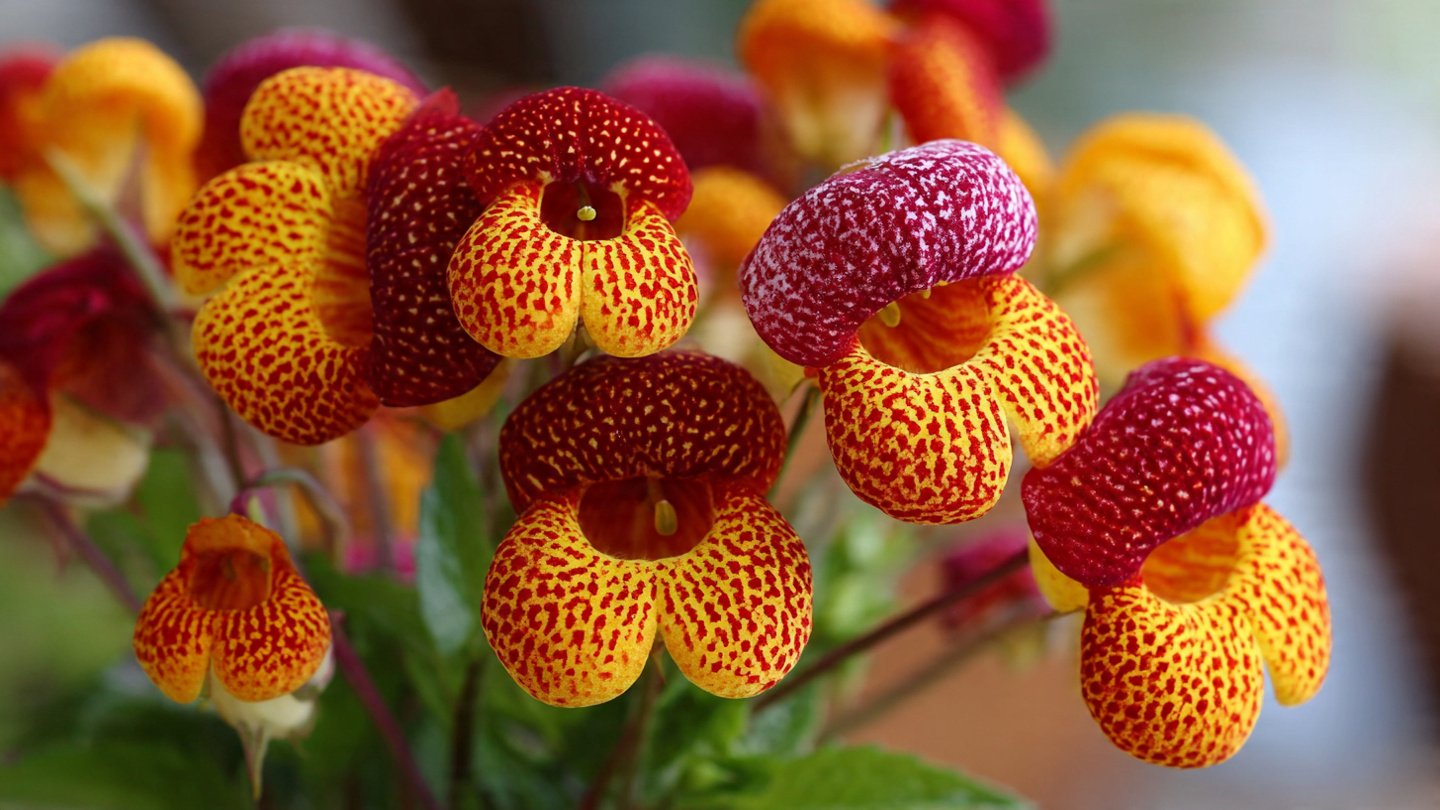
Calceolaria, commonly known as the slipper flower due to its unique shape resembling a tiny shoe, is a charming plant that adds vibrant color to gardens and indoor spaces. These flowers are particularly notable for their two-lipped blooms and come in a variety of colors including yellows, oranges, reds, and purples. If you’re a beginner gardener looking to cultivate Calceolaria with minimal effort, this guide will help you navigate the essential steps to success.
Understanding Calceolaria
Before diving into gardening, it’s essential to understand the plant you are working with. Calceolaria is native to South America and thrives in cool environments. These plants can be grown as annuals or perennials, depending on their specific type and the climate.
Characteristics of Calceolaria
- Appearance: Clusters of pouch-like flowers.
- Height: Typically grows between 12 to 18 inches.
- Foliage: Dark green, slightly hairy leaves that create a lush backdrop for the flowers.
Step-by-Step Guide to Cultivating Calceolaria
Step 1: Choosing the Right Variety
Calceolaria comes in several species, but the two most common options for beginners are:
- Calceolaria herbeohybrida: Known for its bright colors and compact stature, this variety is ideal for pots and garden beds.
- Calceolaria uniflora: The more resilient option, known as the Cape Calceolaria, often prized for its hardiness.
Choose a variety that suits your gardening goals!

Step 2: Selecting the Right Location
Calceolaria thrives in a cool, partially shaded environment. Here are some tips for selecting the right location:
Latest Posts
- A Comprehensive Guide to Successfully Growing Grape Vines in Your Backyard for Beginners and Experts Alike
- Best Tips for Successful Mango Growth in Containers
- Discover the Simple Steps for Successfully Growing Coriander in a Pot
- Discovering the Ultimate Guide to Growing African Violets from Leaf Cuttings
- Simple Techniques for Successfully Growing Seedless Grapes in Home Gardens
- Ultimate Guide to Growing Balsam Plants Naturally for Vibrant Blooms
- Discover the Secrets to Growing Lush Leek Leaves with Simple Hacks for Beginners
- How to Successfully Cultivate Sweet Cherries in the Unique Climate of Canada
- The Ultimate Guide to Successfully Growing Beautiful Succulent Garden Plants at Home
- A Comprehensive Guide to Growing Dhania from Seeds for Beginners
- Sunlight: Aim for 4-6 hours of filtered sunlight daily. Early morning sun is ideal.
- Temperature: Calceolaria prefers cooler temperatures between 60 to 75°F (15 to 24°C).
Step 3: Preparing the Soil
Soil preparation is crucial for the successful growth of Calceolaria. Here’s how to prepare your soil:
- Type: Use well-draining soil rich in organic matter. A peat-based potting mix works well.
- pH Level: Aim for a slightly acidic to neutral pH level (5.5-7.0).
- Amendments: Mix in compost or well-rotted manure to improve fertility and drainage.
Step 4: Sowing Seeds
You can either purchase seedlings or grow your own from seeds. If you choose the seed route, follow these guidelines:
- Timing: Start seeds indoors 8-10 weeks before the last frost date in your area.
- Sowing: Scatter seeds on the soil surface and lightly press them in; do not cover them, as they need light to germinate.
- Moisture: Keep the soil consistently moist but not waterlogged.
Step 5: Watering
Watering is critical for the health of Calceolaria. Here’s how to do it correctly:
- Method: Water from the bottom by placing pots in saucers with water.
- Frequency: Maintain consistent moisture, allowing the top inch of soil to dry slightly between waterings.
- Signs of Watering Needs: If the leaves droop or start to yellow, it’s time to adjust your watering schedule.
Step 6: Fertilization
Fertilization is essential to encourage lush growth and flowering:
- Type: Use a balanced, water-soluble fertilizer. A 10-10-10 formulation is ideal.
- Schedule: Fertilize every 4-6 weeks during the active growing season.
Step 7: Pest and Disease Management
Pests like aphids and spider mites can sometimes invade Calceolaria. Here’s how to handle pests and diseases:
- Prevention: Ensure good air circulation around the plants. Remove dead or decaying leaves.
- Pest Control: Use insecticidal soap or neem oil as a natural remedy against pests.
- Disease Management: Avoid overwatering to prevent fungal diseases. Remove any infected leaves promptly.
Step 8: Pruning and Deadheading
Regular maintenance will keep your Calceolaria healthy and blooming:
- Deadheading: Remove spent flowers to encourage new blooms and prevent seed formation.
- Pruning: Trim back leggy growth or any dead foliage to promote bushier growth.
Step 9: Overwintering
If you live in a cooler climate, consider treating Calceolaria as an annual or overwintering them for subsequent seasons:
- Indoors: Move potted plants indoors when cold weather arrives.
- Outdoor Care: Mulch around outdoor plants to protect them from freezing temperatures.
Step 10: Enjoying Your Calceolaria
Once your Calceolaria blooms, take time to enjoy their beauty. Use them in floral arrangements, pots, or as borders in your garden. The vibrant colors and unique shapes can enhance any space.
Additional Tips for Success
- Companion Planting: Pair Calceolaria with plants that share similar light and water requirements for optimal health.
- Container Gardening: If space is a concern, Calceolaria thrives in containers, allowing for flexibility in location.
- Regular Observation: Keep a close eye on your plants for any signs of distress or disease, acting quickly to remedy any issues you encounter.
FAQs
1. How often should I water Calceolaria?
Calceolaria prefers consistently moist soil. Water it when the top inch of soil feels dry, ensuring that excess water drains away.
2. Can Calceolaria be grown indoors?
Yes! They thrive in bright, indirect light indoors. Ensure proper airflow to prevent fungal diseases.
3. What pests should I watch for?
Common pests include aphids, spider mites, and whiteflies. Inspect leaves regularly and treat with insecticidal soap if needed.
4. How can I encourage more blooms?
Regular deadheading of spent flowers and the proper application of fertilizer throughout the growing season will promote continuous blooming.
5. Is Calceolaria suitable for beginner gardeners?
Absolutely! With the right conditions and care, Calceolaria is a relatively low-maintenance plant that can thrive even in the hands of beginners.
6. Are Calceolaria flowers edible?
While they are beautiful, Calceolaria flowers are not typically considered edible. Always consult a reliable source before consuming any flowers.
7. How long do Calceolaria flowers last?
The blooming period varies by variety and conditions but can last several weeks to months if properly cared for.

Conclusion
Growing Calceolaria slipper flowers doesn’t have to be a daunting task. Following these simple steps can help you cultivate beautiful blooms with minimal effort. Whether you’re looking to enhance your garden or bring vibrant colors indoors, Calceolaria is a rewarding choice for gardeners of any experience level. Happy gardening!