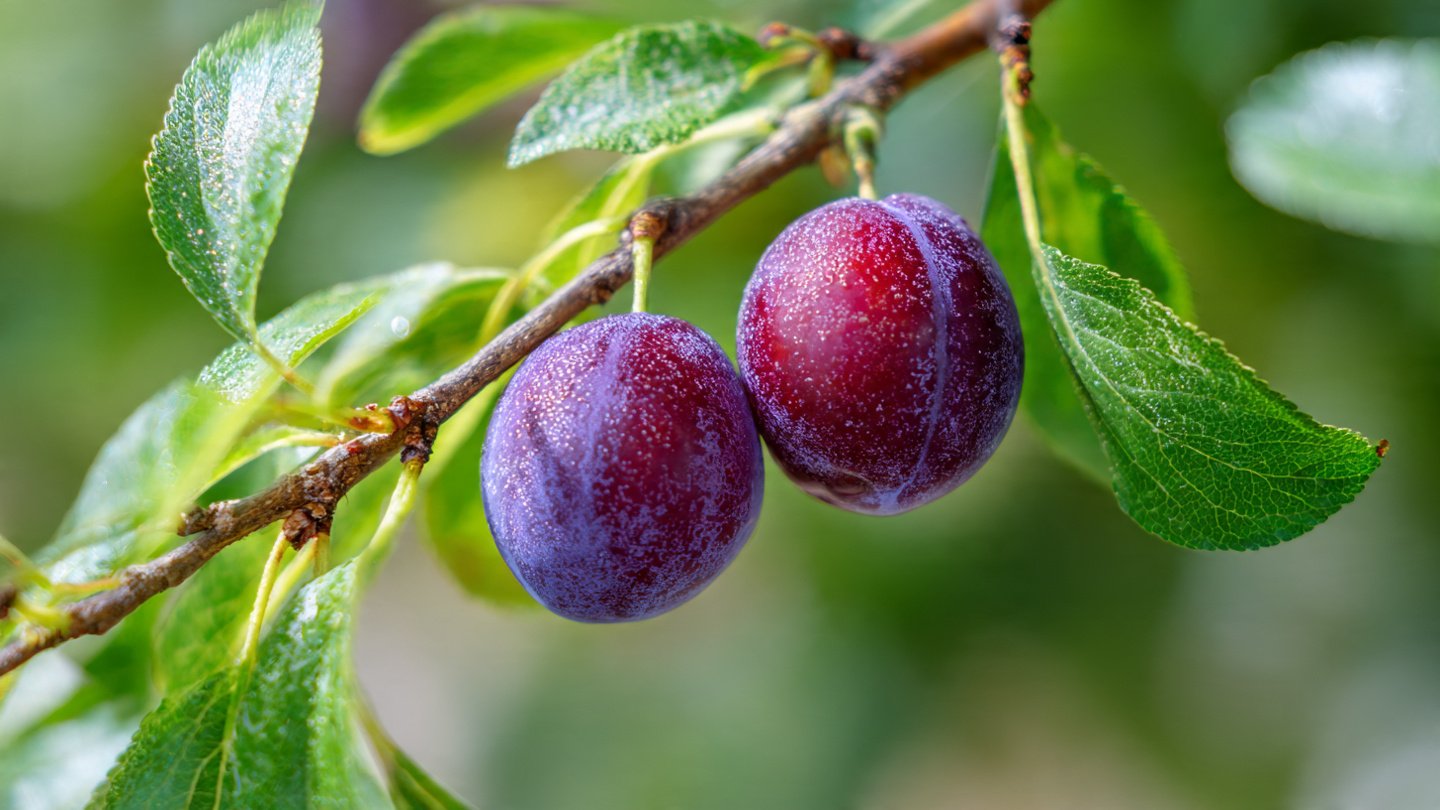
Growing a plum tree at home can be a rewarding endeavor that provides not just beautiful blossoms and shade but also delicious fruits. Whether you’re a gardening novice or someone with a bit of experience, this guide will walk you through the essential steps to cultivate a healthy plum tree in your backyard.
Step 1: Understanding Plum Varieties
Before planting, it’s important to understand the different varieties of plum trees available. Some common types include:
Latest Posts
- A Comprehensive Guide to Successfully Growing Grape Vines in Your Backyard for Beginners and Experts Alike
- Best Tips for Successful Mango Growth in Containers
- Discover the Simple Steps for Successfully Growing Coriander in a Pot
- Discovering the Ultimate Guide to Growing African Violets from Leaf Cuttings
- Simple Techniques for Successfully Growing Seedless Grapes in Home Gardens
- Ultimate Guide to Growing Balsam Plants Naturally for Vibrant Blooms
- Discover the Secrets to Growing Lush Leek Leaves with Simple Hacks for Beginners
- How to Successfully Cultivate Sweet Cherries in the Unique Climate of Canada
- The Ultimate Guide to Successfully Growing Beautiful Succulent Garden Plants at Home
- A Comprehensive Guide to Growing Dhania from Seeds for Beginners
-
Japanese Plums: Known for their sweet fruits and widespread popularity. They typically have a shorter chilling requirement.
-
European Plums: Generally larger and sweeter, these plums require more chill hours in winter.
Understanding which variety suits your climate and taste preference can help you avoid planting mistakes.
Step 2: Choosing the Right Location
Sunlight Requirements
Plum trees thrive in full sunlight, requiring at least 6-8 hours of direct sunlight daily. An ideal spot is one that is sheltered from high winds, as excessive wind can damage blossoms and fruits.
Soil Quality
Plum trees prefer well-draining soil that is fertile and slightly acidic to neutral (pH 6.0-7.0). Conduct a soil test to determine pH levels and nutrient content. If your soil is heavy clay or too sandy, consider amending it with organic matter.
Space Considerations
Depending on the variety, plum trees can grow between 15 to 30 feet tall and wide. Ensure you have sufficient space for the tree to mature without overcrowding other plants.
Step 3: Planting Your Plum Tree
Timing
The best time to plant plum trees is during the early spring or fall when the tree is dormant. This allows for better root establishment before the heat of summer or the cold of winter sets in.
Planting Steps
-
Dig the Hole: Prepare a hole that is twice as wide and as deep as the root ball of your plum tree.
-
Amend the Soil: Mix compost or well-rotted manure into the soil to improve nutrient content.
-
Place the Tree: Position the tree in the center of the hole. Make sure the graft union (the bump on the trunk where the bud was grafted onto the rootstock) is above soil level.
-
Backfill: Fill the hole halfway with soil, gently tamping it down to eliminate air pockets. Then add water to the hole and fill the rest with the remaining soil.
-
Water Thoroughly: After planting, give the tree a deep watering to help settle the soil around the roots.
Step 4: Caring for Your Plum Tree
Watering
Plum trees require regular watering, particularly during their first few years while they establish roots. Aim for deep watering sessions at least once a week, gradually reducing frequency as the tree matures.
Fertilizing
Fertilize your plum tree in early spring before new growth begins. A balanced, slow-release fertilizer designed for fruit trees will support healthy growth. Always follow package instructions to avoid over-fertilization.
Mulching
Apply a layer of mulch around the base of the tree to conserve moisture, suppress weeds, and maintain a consistent soil temperature. Organic mulch, like wood chips or straw, is an excellent choice.
Pruning
Pruning is crucial to maintain the tree’s shape and promote healthy fruit production. Here’s how to prune:
- Timing: Late winter or early spring is the best time for pruning.
- Method: Remove any dead, crossing, or diseased branches. Aim for an open center canopy to allow light and air circulation.
Step 5: Pollination
Most plum trees are not self-pollinating; they require a second variety for cross-pollination. When selecting a plum tree variety, ensure you have at least two different types planted within 50 feet of each other. This will facilitate better fruit set and increase yields.
Step 6: Managing Pests and Diseases
Plum trees can be vulnerable to various pests and diseases, including aphids, plum curculio, and brown rot.
Prevention and Treatment
-
Regular Inspections: Monitor your tree regularly for signs of pests or disease.
-
Insecticidal Soaps: For aphids and other soft-bodied insects, use insecticidal soaps or pest control sprays, following package instructions.
-
Fungicides: To address fungal issues, apply appropriate fungicides at the first signs of disease, preferably during the dormant season.
Step 7: Harvesting Your Plums
Your plums are typically ready for harvest in late summer to early fall, depending on the variety. Here’s how to tell if they are ready:

-
Color: Plums change color as they ripen. Look for vibrant shades specific to your variety.
-
Softness: Gently squeeze the fruit; ripe plums should feel slightly soft but not mushy.
-
Ease of Detachment: Ripe plums will come off the tree with a gentle twist.
Step 8: Storing Your Plums
Once harvested, plums can be stored at room temperature for a few days. For longer preservation, refrigerate them but do not wash until you are ready to eat them, as moisture can encourage mold growth.
FAQs
1. How long does it take for a plum tree to bear fruit?
Most plum trees will start producing fruit within 3 to 6 years after planting, depending on the variety and growing conditions.
2. Can I grow a plum tree in a pot?
Yes, dwarf varieties of plum trees can be grown in pots. Ensure you choose a large enough container (at least 12-20 gallons) and use high-quality potting soil.
3. What is the best fertilizer for plum trees?
A balanced, slow-release fertilizer designed for fruit trees works well. Look for a fertilizer with a ratio like 10-10-10 or 14-14-14.
4. Should I worry about bees when my plum tree is in bloom?
Bees are beneficial as they help with pollination. It’s a good sign when you see them around your blooming plum tree!
5. How do I protect my plum tree from frost?
If a late frost threatens blossoms, cover your tree with a sheet or frost cloth during the night. You can also create a temporary greenhouse effect using stakes and plastic sheeting to trap warmth.
6. Do I need to thin the plums on my tree?
Yes, thinning is recommended to improve air circulation and the size of the remaining fruit. Thin the developing plums to about 6 inches apart as they grow.
Conclusion
Growing a plum tree at home is a fulfilling project that yields delicious fruits while enhancing your garden’s aesthetic appeal. By following these simple steps, caring for your tree properly, and being aware of potential challenges, you can enjoy the rewards of your labor for years to come. Start your plum-growing journey today, and soon you’ll be savoring the fruits of your labor!