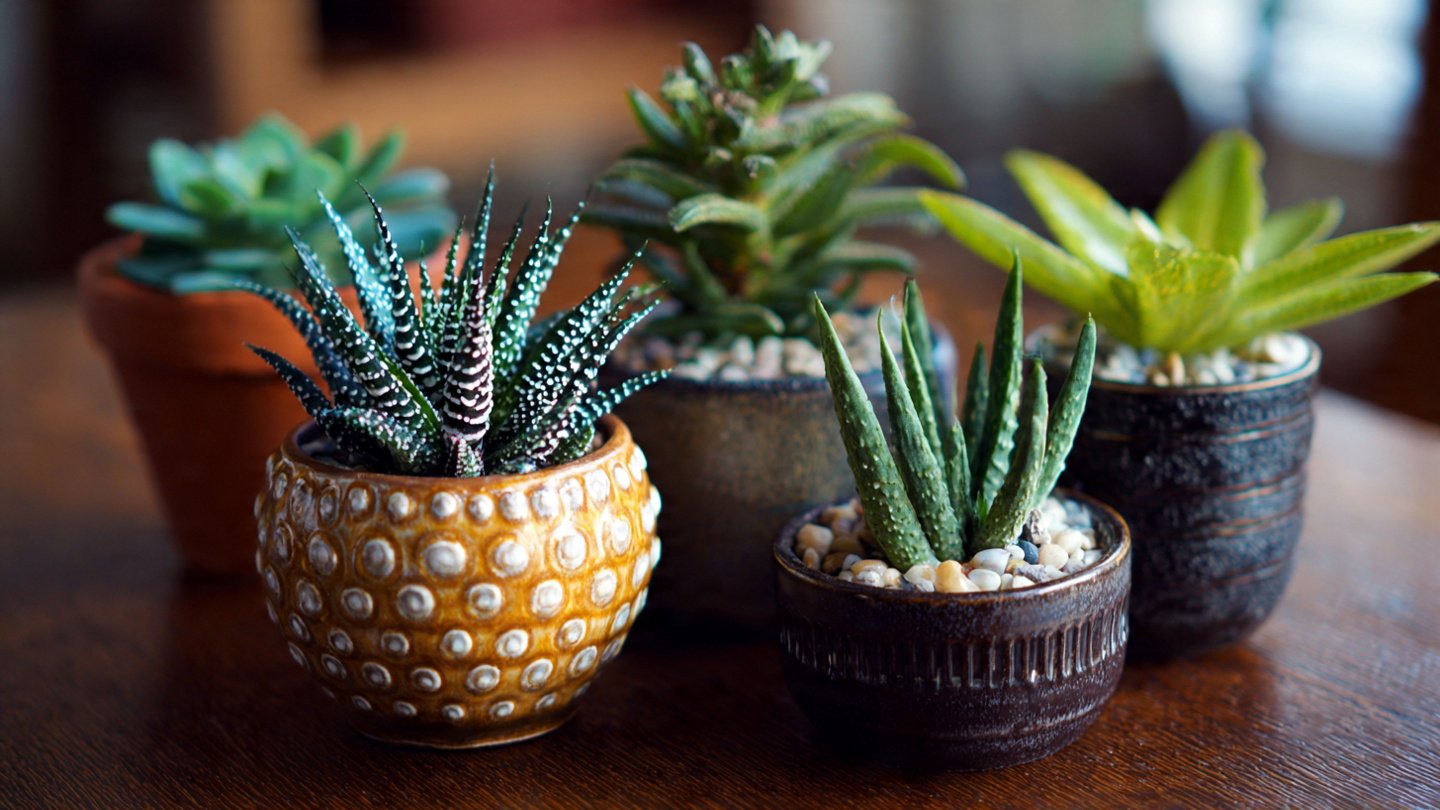
Haworthia is a genus of succulent plants native to southern Africa, particularly South Africa and Namibia. Known for their striking rosette shapes and unique leaf patterns, these plants are an excellent choice for indoor decoration. Their low maintenance requirements make them perfect for both novice and experienced gardeners. This guide will cover everything you need to know about growing Haworthia indoors, including care tips, ideal environments, and design ideas, along with a handy FAQ section.
Why Choose Haworthia?
Haworthia plants are gaining popularity for several reasons:
Latest Posts
- A Comprehensive Guide to Successfully Growing Grape Vines in Your Backyard for Beginners and Experts Alike
- Best Tips for Successful Mango Growth in Containers
- Discover the Simple Steps for Successfully Growing Coriander in a Pot
- Discovering the Ultimate Guide to Growing African Violets from Leaf Cuttings
- Simple Techniques for Successfully Growing Seedless Grapes in Home Gardens
- Ultimate Guide to Growing Balsam Plants Naturally for Vibrant Blooms
- Discover the Secrets to Growing Lush Leek Leaves with Simple Hacks for Beginners
- How to Successfully Cultivate Sweet Cherries in the Unique Climate of Canada
- The Ultimate Guide to Successfully Growing Beautiful Succulent Garden Plants at Home
- A Comprehensive Guide to Growing Dhania from Seeds for Beginners
- Low Maintenance: These plants are drought-tolerant and require minimal watering.
- Air Purifying: Like many succulents, Haworthia helps improve indoor air quality by filtering out toxins.
- Aesthetic Appeal: Their geometric shapes and varied textures make them visually appealing.
- Variety: With over 100 species, Haworthia offers various options for plant lovers.
Types of Haworthia
Before deciding which Haworthia to grow, you should familiarize yourself with the different types:
- Haworthia fasciata: Also known as the zebra plant, it features distinctive white stripes on its leaves.
- Haworthia attenuata: This variety has pointed, fleshy leaves and is also striped but with a more textured surface.
- Haworthia cooperi: Known for its rounded leaves, this species resembles a small ball and has a translucent quality.
- Haworthia truncata: This unique variety has flat, truncated leaves that grow close to the soil, making it an interesting addition to any collection.
How to Grow Haworthia Indoors

Growing Haworthia indoors is a straightforward process, but there are some essential factors to consider to ensure your plants thrive.
1. Choosing the Right Pot
Soil and Drainage: Start with a pot that has drainage holes to prevent waterlogging. A cactus or succulent soil mix is ideal, as it allows for good drainage. If you prefer, you can make your own mix by combining regular potting soil with perlite or sand.
Size: Pick a pot that’s not too large; Haworthia prefers to be slightly root-bound. A pot about 4 inches in diameter is often sufficient for small plants.
2. Lighting Requirements
Haworthia thrives in bright, indirect light. Here are some tips for your indoor lighting conditions:
- Placement: Position your Haworthia near a window that receives filtered sunlight. East-facing windows are typically ideal, as they provide morning light.
- Artificial Light: If natural light is limited, you can use grow lights. Place them about 12-18 inches above the plants, ensuring they receive at least 12 hours of light per day.
3. Watering
Watering is critical to the health of your Haworthia. Overwatering is one of the most common issues with indoor succulents. Here’s how to do it right:
- Frequency: Water your Haworthia every 2-3 weeks during the growing season (spring and summer) and reduce to once a month in fall and winter.
- Method: Water thoroughly by soaking the soil until water drains from the bottom. Allow the soil to dry completely between watering sessions.
4. Humidity and Temperature

Haworthia prefers a dry environment with moderate humidity. Here are some temperature guidelines:
- Ideal Temperature: Keep your Haworthia in a space where the temperature ranges from 60°F to 80°F (15°C to 27°C).
- Avoid Drafts: These plants dislike sudden temperature changes, so keep them away from drafty areas like doors and windows.
5. Fertilization
While Haworthia doesn’t require frequent fertilization, providing some nutrients can give them a boost:
- Type of Fertilizer: Use a diluted, balanced liquid fertilizer or a cactus and succulent fertilizer.
- Frequency: Feed during the growing season (spring and summer) every 4-6 weeks. Avoid fertilizing in fall and winter when the plant is dormant.
6. Pruning and Maintenance
Regular maintenance helps keep your Haworthia healthy:
- Removing Dead Leaves: Trim any dead or damaged leaves at the base of the plant to encourage growth.
- Repotting: Consider repotting every 2-3 years or when the plant outgrows its pot.
Creative Home Decoration Ideas
Haworthia can beautifully complement any home decor. Here are some creative ideas for incorporating them into your living space:

1. Terrariums
Create a miniature landscape featuring various species. Use a glass container filled with succulent soil and arrange your Haworthia alongside other succulents and decorative stones.
2. Windowsills
A row of Haworthia on a sunlit windowsill can provide a vibrant touch. Mix different varieties for a visually appealing display.
3. Decorative Pots
Choose quirky pots made of ceramics, metal, or even recycled materials to add character. Colorful pots can also enhance your decor while providing functional benefits.
4. Centerpiece
Use a large, striking Haworthia as a centerpiece on your dining or coffee table. It adds a natural focal point to your space.
5. Shelf Arrangement
Create a shelf display with your Haworthia grouped together. Combine them with books or other decor items for an eclectic look.
Common Problems and Solutions
Despite their low maintenance needs, Haworthia can face a few issues:
Overwatering
Symptoms: Yellowing leaves, mushy roots.
Solution: Allow the soil to dry out and reduce watering frequency. If necessary, repot in dry soil.
Underwatering
Symptoms: Wrinkled leaves, slow growth.
Solution: Water thoroughly and resume a consistent watering schedule.
Pests
Common Pests: Mealybugs and aphids.
Solution: Use a cotton swab dipped in rubbing alcohol to eliminate pests or consider an insecticidal soap.
FAQs
1. How often should I water my Haworthia?
Water every 2-3 weeks during the growing season and once a month during dormancy. Always wait for the soil to dry out completely between waterings.
2. Can Haworthia grow in low light?
While they can tolerate low-light conditions, they thrive best in bright, indirect sunlight. Be cautious, as insufficient light can lead to leggy growth.

3. Is Haworthia safe for pets?
Yes, Haworthia is non-toxic to both cats and dogs, making it a safe choice for pet owners.
4. How do I propagate my Haworthia?
Haworthia can be propagated through offsets or leaf cuttings. For offsets, gently separate them from the parent plant and plant them in their own pots.
5. Can I grow Haworthia outside?
Haworthia is best grown indoors although they can be kept outdoors in warm climates. Make sure they are in a shaded area and protect them from extreme temperatures.
6. What should I do if my Haworthia turns yellow?
Yellow leaves usually indicate overwatering. Check the soil moisture, allow it to dry, and adjust your watering schedule.
Conclusion
Growing Haworthia indoors is a rewarding experience that adds beauty and charm to your home. With their straightforward care requirements and stunning aesthetics, they are perfect for any plant lover. Whether you’re creating a terrarium or dressing up a windowsill, these versatile succulents can enhance your living space while providing a touch of greenery year-round. By following this guide, you can enjoy the beauty of Haworthia in your home for years to come.