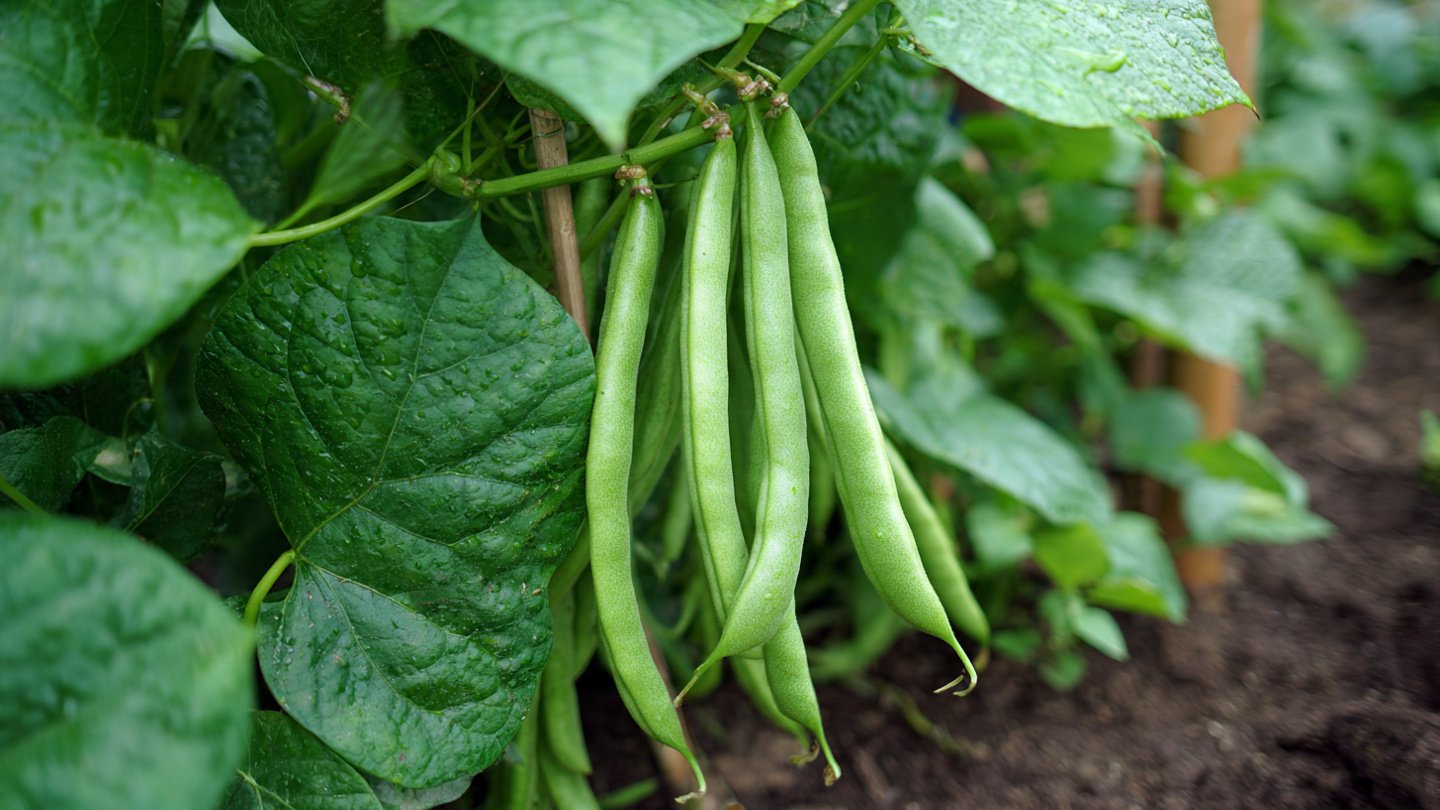
Growing French beans (Phaseolus vulgaris), also known as green beans, is a rewarding endeavor for any home gardener. Not only are they packed with essential nutrients, but they also thrive in a variety of climates and are relatively easy to care for. In this article, we’ll discuss how to grow French beans successfully in your own garden, covering everything from soil preparation to pest management, and answer some frequently asked questions to help you along the way.
1. Selecting the Right Variety
Before diving into the growing process, it’s important to choose the right variety of French beans. There are two main categories: bush beans and pole beans.
Latest Posts
- A Comprehensive Guide to Successfully Growing Grape Vines in Your Backyard for Beginners and Experts Alike
- Best Tips for Successful Mango Growth in Containers
- Discover the Simple Steps for Successfully Growing Coriander in a Pot
- Discovering the Ultimate Guide to Growing African Violets from Leaf Cuttings
- Simple Techniques for Successfully Growing Seedless Grapes in Home Gardens
- Ultimate Guide to Growing Balsam Plants Naturally for Vibrant Blooms
- Discover the Secrets to Growing Lush Leek Leaves with Simple Hacks for Beginners
- How to Successfully Cultivate Sweet Cherries in the Unique Climate of Canada
- The Ultimate Guide to Successfully Growing Beautiful Succulent Garden Plants at Home
- A Comprehensive Guide to Growing Dhania from Seeds for Beginners
- Bush Beans: These typically grow to about 1-2 feet tall, mature quickly, and require less support. They are perfect for smaller gardens.
- Pole Beans: These can grow up to 10 feet tall and require trellises or supports. They have a longer harvest period and can yield more beans per plant.
Some popular varieties include:
- Blue Lake: A tender variety known for its flavor and straight, slender pods.
- Provider: Early maturing and tolerant of various environmental conditions.
- Kentucky Wonder: A vigorous pole variety with excellent flavor.
2. Preparing the Soil
French beans thrive in well-drained, loamy soil enriched with organic matter.
Soil Requirements:
- pH Level: Aim for a pH of 6.0 to 7.0.
- Nutrients: Test your soil using a home testing kit. If it’s lacking in nitrogen, adding well-rotted manure or compost can help.
- Drainage: Ensure good drainage to prevent root rot. Avoid compacted or waterlogged areas.

Soil Preparation Steps:
- Clear the Area: Remove any weeds, rocks, or debris.
- Till the Soil: Loosen the soil to a depth of at least 12 inches.
- Enrich the Soil: Mix in compost or well-rotted manure before planting.
- Level the Surface: Rake the soil to create a smooth, even planting surface.
3. Sowing the Seeds
French beans should be sown directly into the garden once the soil temperature reaches at least 60°F (15°C).
Planting Steps:
- Create Rows: Space rows about 18-24 inches apart for bush beans and 36-48 inches for pole beans.
- Spacing Seeds: Plant seeds about 1 inch deep and 2-4 inches apart. Thin the seedlings to 6-12 inches apart once they have a couple of true leaves.
- Water: Water the area gently right after planting to settle the soil.
Timing:
- Spring Planting: Ideally, sow seeds 1-2 weeks after the last frost date in your area.
- Succession Planting: For a continuous harvest, consider planting new seeds every 2-3 weeks.
4. Providing Adequate Care
Watering
French beans need regular watering, especially in dry spells.
- Frequency: Water in the morning to allow the leaves to dry during the day.
- Amount: Aim for about 1 inch of water per week, either from rainfall or irrigation. Avoid waterlogging, as this can lead to root diseases.
Fertilization
While French beans can grow in nutrient-rich soils, additional nutrients may be beneficial:
- Organic Fertilizer: Consider using a balanced organic fertilizer once the plants start to flower.
- Nitrogen Needs: Beans are beneficial as they fix nitrogen in the soil, but in poor soils, a little extra nitrogen can help during the early growth stages.
Mulching
Applying mulch can help regulate moisture and suppress weeds.
- Types of Mulch: Use organic mulches like straw, wood chips, or grass clippings.
- Thickness: A layer of 2-3 inches is generally sufficient.
Pest and Disease Management
French beans are susceptible to various pests and diseases.
Common Pests:
- Bean Beetles: Look for holes in leaves. Handpick or use insecticidal soap.
- Aphids: These tiny insects suck sap. They can be managed organically with neem oil.
- Spider Mites: Yellowing leaves and webbing may indicate an infestation. Regularly spraying water can prevent these pests.
Common Diseases:
- Powdery Mildew: A fungal disease that appears as a white coating. Promote good air circulation and avoid overhead watering.
- Root Rot: Caused by overwatering. Ensure proper drainage and avoid planting in overly wet soils.
5. Supporting the Plants
For Pole Beans:
- Trellising: Install trellises or supports at the time of planting to avoid damaging the roots later. Your trellis can be made from PVC pipes, wooden stakes, or even natural elements like bamboo.
- Guiding Growth: As the beans grow, gently guide them to climb the trellis, if they don’t find it naturally.
6. Harvesting the Beans
Timing is crucial for harvesting French beans.

Indicators of Harvest Time:
- Size: Beans should be picked when they are about 4-6 inches long for peak tenderness.
- Color: Pods should be bright green and firm.
- Frequency: Harvest regularly to encourage continuous production. Beans can be harvested every few days as they mature.
Harvesting Technique:
- Use scissors or garden shears to cut beans off the plant, which minimizes damage to the plant and increases your yield.
7. Storing Fresh Beans
Once harvested, proper storage is essential to maintain freshness.
- Immediate Use: Freshly picked beans can be used right away in salads, stir-fries, or as side dishes.
- Short-term Storage: Store in a plastic bag in the fridge for up to a week.
- Long-term Storage: For longer preservation, consider blanching and freezing beans.
8. Frequently Asked Questions (FAQs)
1. What soil temperature is ideal for planting French beans?
The ideal soil temperature for sowing French beans is between 60°F to 85°F (15°C to 29°C). Planting too early in cooler soils can lead to poor germination.
2. Can French beans be grown in containers?
Yes, bush varieties of French beans can be grown in containers. Choose a pot that is at least 12 inches deep and wide, and ensure proper drainage.
3. How often should I water my French beans?
Generally, French beans need about 1 inch of water per week. Be sure to water deeply so that roots establish well.
4. Why are my French beans not producing?
Lack of pollinators, poor soil quality, or extreme weather conditions can affect production. Ensure plants are well-supported and adequately fertilized.
5. How can I improve the yield of my French beans?
Regular watering, succession planting, and ensuring good light exposure can all contribute to a greater yield. Additionally, consider using organic fertilizers to enhance soil fertility.
6. Can French beans be grown as a companion plant?
Absolutely! French beans are great companions for corn, carrots, and squash. They fix nitrogen in the soil, benefiting nearby plants.
Conclusion
Growing French beans in your home garden can provide you with a delectable, healthy harvest. By selecting the right variety, preparing the soil properly, and providing the necessary care, you’ll set the stage for a bountiful crop. With regular care, pest management, and proper harvesting techniques, you can enjoy fresh beans throughout the growing season, enhancing meals and adding nutritional value to your diet. Happy gardening!