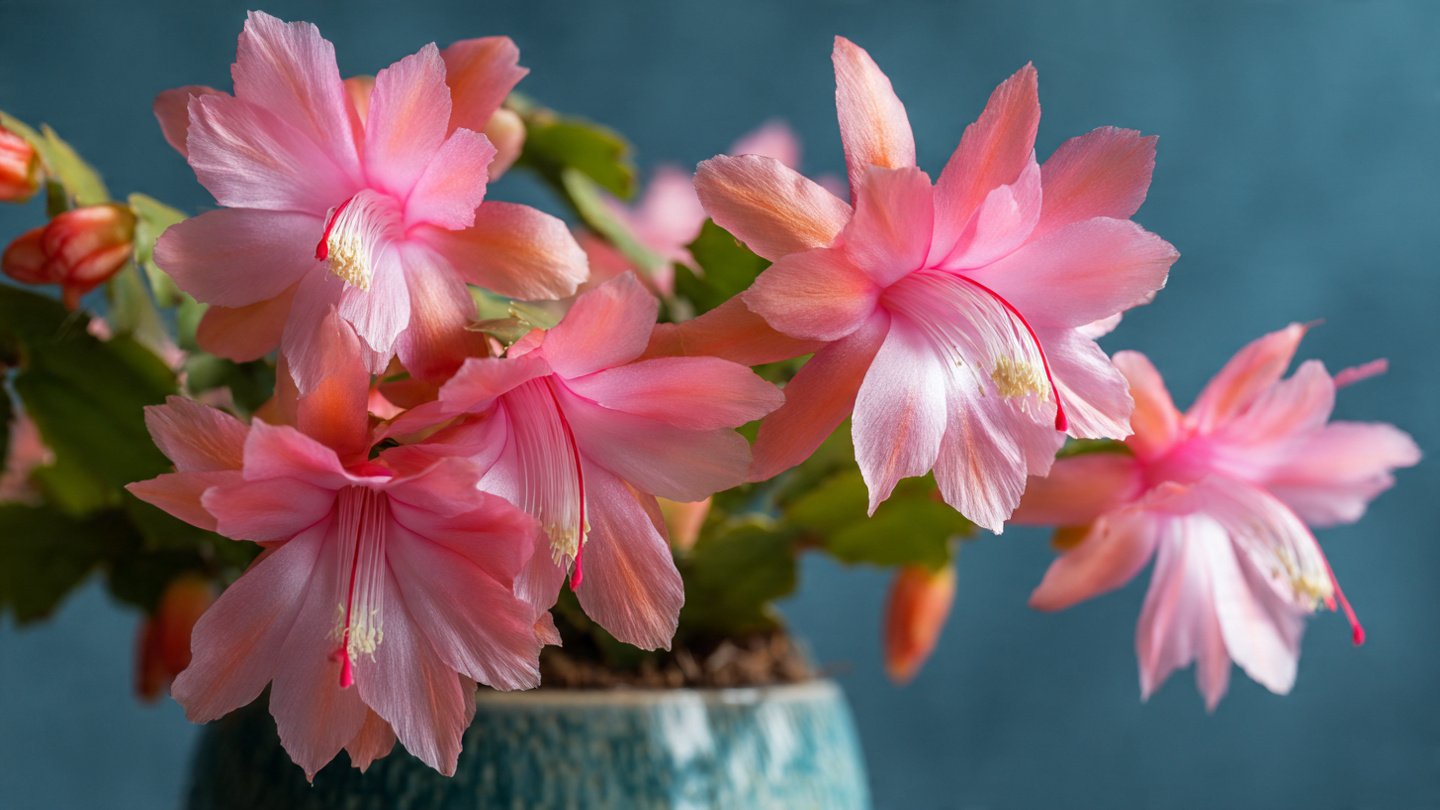
The Easter cactus, scientifically known as Hatiora gaertneri, is a delightful houseplant celebrated for its stunning flowers that bloom in vibrant colors during the spring season. Native to the coastal rainforests of Brazil, this succulent is often a favorite among gardeners and plant enthusiasts alike. Unlike its holiday counterparts, the Christmas cactus (Schlumbergera) and Thanksgiving cactus, the Easter cactus has unique growing requirements, making it essential to understand how to care for it properly. In this article, we will delve into the best practices for successfully growing Easter cactus at home, ensuring your plant thrives and rewards you with breathtaking seasonal blooms.
Understanding the Easter Cactus
Before diving into cultivation tips, it’s essential to understand the characteristics of the Easter cactus. It features segmented, flat leaves with a more rounded appearance compared to its relatives. The flowers bloom in an array of reds, pinks, purples, and whites and can last for weeks, bringing cheer to any home during the spring season.
Selecting the Right Location
Light Requirements
Easter cacti thrive in bright, indirect light. Direct sunlight can scorch their delicate leaves. An ideal location is near an east or west-facing window, where they can receive morning or late afternoon sun without being exposed to harsh midday rays. If the light is too dim, the plant may become leggy and produce fewer blooms.
Temperature and Humidity
Easter cacti prefer moderate temperatures ranging from 60°F to 75°F (15°C to 24°C). They may tolerate cooler temperatures during the winter months but should be protected from frost and extreme temperature fluctuations. Humidity levels between 40-60% are ideal. You can increase humidity around the plant by placing a tray of water filled with pebbles beneath it or using a humidifier during dry spells.

Choosing the Right Soil and Pot
Soil
Easter cacti require well-draining soil to prevent root rot. A commercial cactus mix is typically suitable, but you can create your own mix by combining equal parts potting soil, perlite, and coarse sand. This mixture ensures that excess water drains away, allowing the roots to breathe.
Latest Posts
- A Comprehensive Guide to Successfully Growing Grape Vines in Your Backyard for Beginners and Experts Alike
- Best Tips for Successful Mango Growth in Containers
- Discover the Simple Steps for Successfully Growing Coriander in a Pot
- Discovering the Ultimate Guide to Growing African Violets from Leaf Cuttings
- Simple Techniques for Successfully Growing Seedless Grapes in Home Gardens
- Ultimate Guide to Growing Balsam Plants Naturally for Vibrant Blooms
- Discover the Secrets to Growing Lush Leek Leaves with Simple Hacks for Beginners
- How to Successfully Cultivate Sweet Cherries in the Unique Climate of Canada
- The Ultimate Guide to Successfully Growing Beautiful Succulent Garden Plants at Home
- A Comprehensive Guide to Growing Dhania from Seeds for Beginners
Pot
When choosing a pot, ensure it has drainage holes to facilitate proper water flow. A ceramic or clay pot can help regulate moisture levels better than plastic ones. Additionally, the pot should be about one size larger than the root ball of the plant to prevent overwatering.
Watering Guidelines
One of the most crucial aspects of caring for Easter cacti is proper watering. These plants are succulent and, therefore, store water in their leaves. Here’s how to strike the right balance:
- Frequency: Water smaller plants every 2-3 weeks during the growing season (spring and summer) and reduce this to once a month in the dormant season (fall and winter).
- Checking Moisture: Always check the top inch of the soil before watering. If it feels dry, it’s time to water. If still moist, wait a few more days.
- Technique: When watering, do so thoroughly until you see water dripping from the drainage holes. Ensure to empty any excess water from the saucer to prevent soggy roots.
Fertilization
To promote healthy growth and vibrant blooms, feeding your Easter cactus is essential:

- Type of Fertilizer: Use a balanced, water-soluble fertilizer with a higher phosphorus content to encourage flowering. A formula such as 10-30-10 is ideal.
- Application: Fertilize every 4-6 weeks during the growing season, tapering off in late summer as the plant prepares for dormancy.
- Dilution: Always dilute the fertilizer to half-strength to avoid burning the roots.
Encouraging Blooms
Lighting Conditions
To encourage blooming, ensure that your Easter cactus has the right light conditions. After the plant has finished flowering, you can move it to a slightly less bright location, as it prefers lower light to promote dormancy.
Temperature Drops
To induce blooming, a temperature drop of a few degrees can be beneficial. Gradually expose the plant to cooler temperatures (around 55°F or 13°C) in late winter for a few weeks. This can simulate the natural conditions they experience in their native habitat and often leads to more robust flowering when spring arrives.
Pruning and Propagation
Pruning your Easter cactus is crucial for maintaining its shape and health:
- When to Prune: After flowering, prune back any leggy or dead growth to encourage bushier, denser growth.
- Propagation: If you wish to propagate, you can take stem cuttings. Cut a few segments, allow them to dry for a few days until calloused, and then plant them in a well-draining potting mix.
Pest and Disease Management
Easter cacti can occasionally fall victim to pests and diseases:

- Common Pests: Watch for mealybugs, spider mites, and aphids. If spotted, treat them with insecticidal soap or neem oil.
- Root Rot: The most common issue is root rot due to overwatering. Ensure proper drainage and check for mushy roots if this occurs. If rot is present, you may need to repot the plant with fresh soil.
Seasonal Care
Spring and Summer
During the active growth phase, increase watering and fertilization, ensuring the plant receives ample light. Monitor the humidity, especially in dry periods.
Fall and Winter
Reduce watering as the plant enters dormancy, providing cooler temperatures and lower light conditions. This ensures the plant is primed for the following spring bloom.
FAQs
1. How often should I water my Easter cactus?
- Water every 2-3 weeks during the growing season and once a month during dormancy. Always check the top inch of soil first.
2. Why isn’t my Easter cactus blooming?

- Factors like inadequate light, improper temperatures, or lack of fertilization can prevent blooming. Ensure it gets bright, indirect light, and consider a short cool period in winter.
3. How can I increase the humidity for my Easter cactus?
- Use a pebble tray filled with water or place a humidifier nearby to maintain humidity levels within the desired range.
4. What should I do if I see pests on my Easter cactus?
- Treat the infestation with insecticidal soap or neem oil, and isolate the plant to prevent spreading.
5. Can I grow Easter cactus outdoors?
- Yes, in suitable climates, you can place Easter cactus outdoors during the warm months. Ensure it’s in a shaded area to protect it from direct sunlight.
Conclusion
Growing an Easter cactus at home can be a rewarding endeavor, especially when you witness the beautiful flowers that bloom in the spring. By understanding the specific needs of this unique succulent regarding light, water, soil, and temperature, you can create the ideal environment for your plant. With a bit of attention and care, your Easter cactus can thrive, transforming your space into a vibrant showcase of seasonal beauty. Happy gardening!