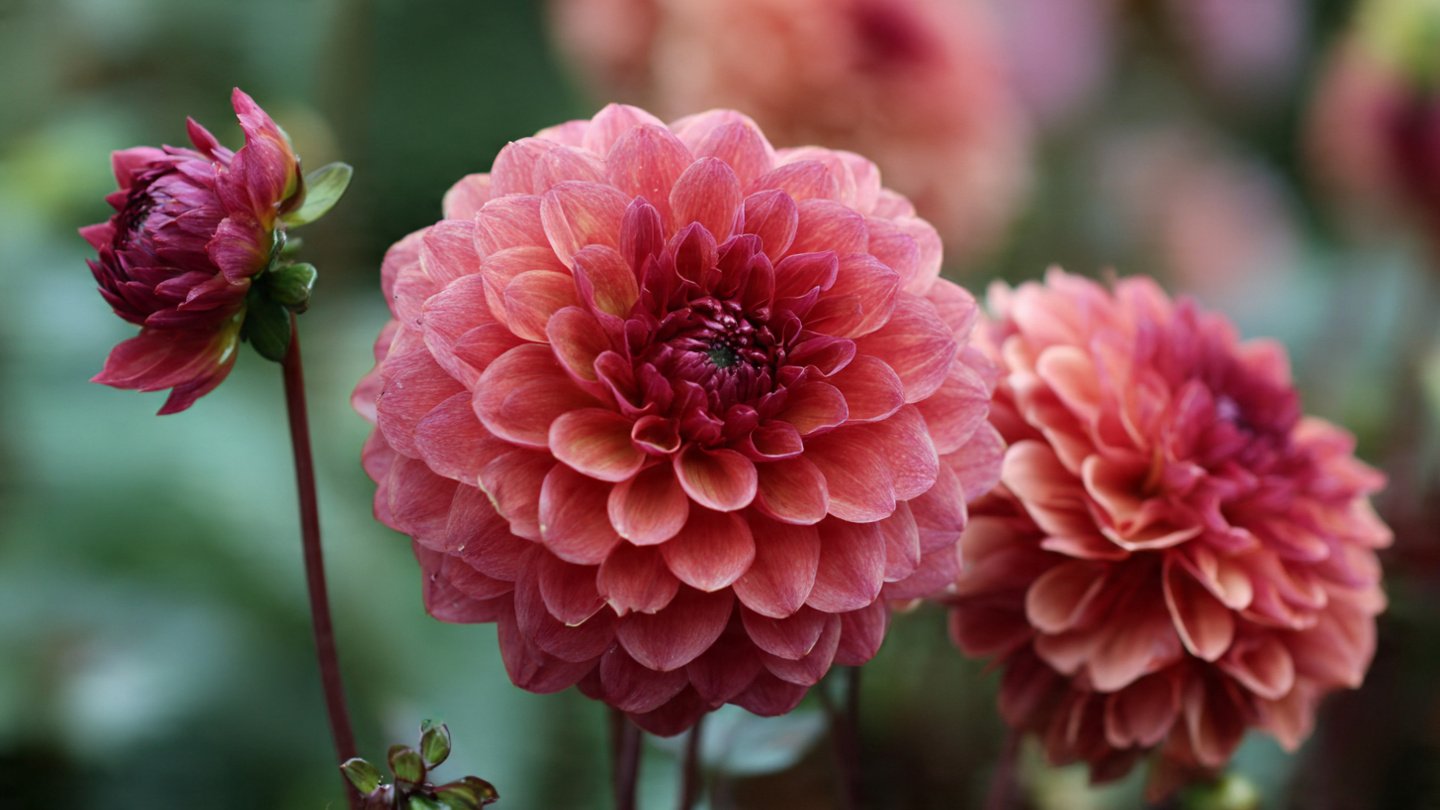
Dahlias, with their vibrant colors and unique shapes, are a gardener’s delight. Originating from Mexico, these beauties can bring a splash of color to any garden, ranging from compact varieties suitable for borders to towering types perfect for backdrops. Growing dahlias from tubers can be incredibly rewarding, and with the right techniques, anyone can cultivate a flourishing dahlia garden. In this article, we’ll explore how to grow dahlias from tubers, including ideal planting conditions, care habits, and troubleshooting common issues.
Understanding Dahlia Tubers
Before diving into the growing process, it’s essential to understand what dahlia tubers are. Dahlias are perennial plants that propagate through tubers, thickened underground stems that store nutrients. Each tuber has “eyes,” similar to potato eyes, from which new shoots grow. When planting, each tuber should ideally have one or more eyes to promote successful growth.
Latest Posts
- A Comprehensive Guide to Successfully Growing Grape Vines in Your Backyard for Beginners and Experts Alike
- Best Tips for Successful Mango Growth in Containers
- Discover the Simple Steps for Successfully Growing Coriander in a Pot
- Discovering the Ultimate Guide to Growing African Violets from Leaf Cuttings
- Simple Techniques for Successfully Growing Seedless Grapes in Home Gardens
- Ultimate Guide to Growing Balsam Plants Naturally for Vibrant Blooms
- Discover the Secrets to Growing Lush Leek Leaves with Simple Hacks for Beginners
- How to Successfully Cultivate Sweet Cherries in the Unique Climate of Canada
- The Ultimate Guide to Successfully Growing Beautiful Succulent Garden Plants at Home
- A Comprehensive Guide to Growing Dhania from Seeds for Beginners
Choosing the Right Varieties
Dahlias come in various sizes and shapes, so selecting the right variety for your space and aesthetic is vital. Here are some popular types:
- Dinner Plate Dahlias: Known for their large blooms, these are ideal for dramatic displays.
- Peony Dahlias: These have a more compact growth habit and produce flowers resembling peonies, making them perfect for garden beds.
- Cactus Dahlias: With spiky, pointed petals, these dahlias provide an interesting texture.
- Ball Dahlias: Round and often smaller, these varieties are excellent for borders and arrangements.
When choosing, consider factors like color, size, and blooming time to ensure continuous blooms throughout the season.
Preparing Your Garden for Planting

Site Selection
Dahlias prefer full sun, meaning they should receive at least 6-8 hours of direct sunlight per day. Choose a well-drained location to prevent waterlogging, which can rot the tubers. A slightly elevated area can help with drainage.
Soil Preparation
Dahlias thrive in rich, loamy soil with a pH of 6.0 to 6.8. Here’s how to prepare your garden soil:
- Clear the Area: Remove weeds, rocks, and debris from the planting area.
- Amend the Soil: Mix in organic matter such as compost or well-rotted manure. This enriches the soil and boosts drainage.
- Tillage: Loosen the soil to about 12 inches deep to promote root growth.
Timing for Planting
Dahlias are sensitive to frost. Plant tubers outdoors after the last frost date in your area, typically in late spring. A soil temperature of at least 60°F is ideal for planting.
Planting the Tubers
Once you’ve prepared the soil and chosen a variety, it’s time to plant the tubers:
-
Depth and Spacing: Dig a hole about 4-6 inches deep. Space tubers 18-24 inches apart to allow for their expansive growth. If planting multiple rows, ensure they are spaced at least 36 inches apart.
-
Orientation: Place the tuber in the hole with the eyes facing up. Cover it gently with soil and pat it down lightly.
-
Watering: After planting, water the area thoroughly to help settle the soil around the tuber. Be careful not to overwater; ensure the soil stays evenly moist but not soggy.
Caring for Your Dahlias
Once planted, proper care is crucial for thriving dahlias.
Watering
Dahlias need a consistent moisture supply, especially during dry periods. Water deeply once a week, allowing the top inch of soil to dry out between waterings. During exceptionally hot weather, increase your watering frequency, but avoid letting the soil become saturated.
Fertilization
Dahlias benefit from periodic fertilization:
- Initial Fertilization: When planting, use a balanced fertilizer with a 10-10-10 ratio.
- Ongoing Care: Apply a high-phosphorus fertilizer (like 5-10-10) when buds begin to form to promote blooming.
Staking
Many dahlia varieties grow tall and can become top-heavy, especially during storms. To prevent breaking, stake the plants early in their growth. Using bamboo stakes or other sturdy supports, secure the stems loosely with ties.
Pest and Disease Management
Dahlias can be susceptible to pests such as aphids, slugs, and snails. Regular inspection can help catch infestations early. If pests are present, try:
- Insecticidal Soap: For soft-bodied pests like aphids.
- Physical Barriers: Consider using copper tape or diatomaceous earth to deter slugs.
Common diseases include powdery mildew and tuber rot. Ensure adequate air circulation around the plants and avoid overhead watering to prevent fungal issues.
Deadheading and Pruning
To encourage continuous blooming, regularly deadhead spent flowers by pinching or cutting them off. If plants become overcrowded, thin out some stems to allow better airflow and light penetration.
Harvesting and Storing Tubers
Once the growing season wraps up—typically after the first frost—it’s time to harvest your dahlia tubers:
-
Cut Back: Trim back the foliage to a few inches above the ground.
-
Digging Up: Carefully dig around the tubers using a spade. Avoid damaging them, as this can lead to rot during storage.
-
Drying and Storing: Allow the tubers to dry completely for a few days in a shaded area. Once dry, store them in a cool, dark, and dry place, ideally in peat moss or vermiculite, to keep them fresh until the next planting season.
Troubleshooting Common Issues
Growing dahlias can come with its challenges. Here are some common issues and solutions:
- Poor Growth: Ensure the tubers were healthy, and consider the soil quality and sunlight exposure.
- Yellowing Leaves: This could indicate overwatering or nutrient deficiencies. Check your watering regimen and consider adding fertilizer.
- Wilting Flowers: This could be due to underwatering or heat stress. Adjust your watering accordingly.
FAQs
1. How long do dahlias take to bloom after planting?

Dahlias typically bloom within 8-12 weeks after planting, depending on the variety and growing conditions.
2. Can I grow dahlias in pots?
Yes! Dahlias can be grown in pots. Choose a container with adequate drainage, at least 12-16 inches in diameter, and fill it with quality potting soil.
3. What should I do if my dahlia tubers rot?
If your tubers rot, remove them immediately to prevent the spread of disease. Ensure you’re not overwatering and that the soil drains well.
4. Can I save dahlia tubers over winter?
Yes, dahlia tubers can be saved over winter. After the foliage dies back, dig them up, dry them out, and store them in a cool, dark place until spring.
5. How often should I fertilize dahlias?
Fertilize dahlias every 4-6 weeks during the growing season, using a balanced fertilizer initially and switching to a high-phosphorus mix when buds form.
Conclusion
Growing dahlias from tubers is a beautiful way to brighten up your backyard. With careful planning, site selection, and ongoing care, you can enjoy a stunning display of flowers throughout the season. Remember to stay attentive to their needs, troubleshoot any issues, and celebrate the vibrant blooms that will make your garden a beautiful sanctuary. Happy gardening!