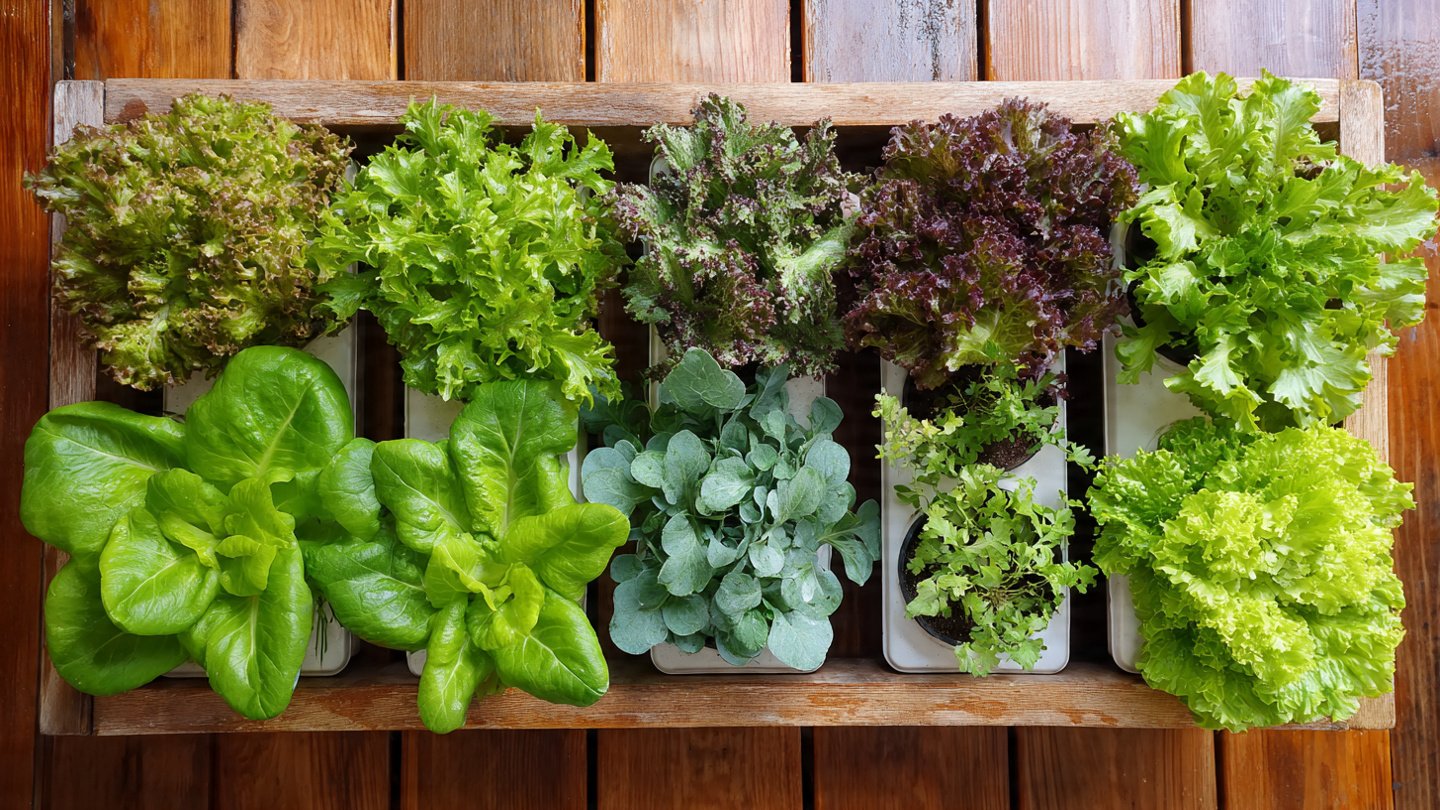
Growing salad greens in containers is a rewarding endeavor that can yield fresh, healthy produce right at your fingertips. If you’re dreaming of vibrant greens like lettuce, spinach, arugula, and kale, container gardening can help you accomplish this, even in limited spaces like balconies or small patios. This guide will take you through the essentials of successfully growing salad greens in containers, outlining everything from selecting the right seeds to harvesting your greens.
Choosing the Right Containers
Types of Containers
Latest Posts
- A Comprehensive Guide to Successfully Growing Grape Vines in Your Backyard for Beginners and Experts Alike
- Best Tips for Successful Mango Growth in Containers
- Discover the Simple Steps for Successfully Growing Coriander in a Pot
- Discovering the Ultimate Guide to Growing African Violets from Leaf Cuttings
- Simple Techniques for Successfully Growing Seedless Grapes in Home Gardens
- Ultimate Guide to Growing Balsam Plants Naturally for Vibrant Blooms
- Discover the Secrets to Growing Lush Leek Leaves with Simple Hacks for Beginners
- How to Successfully Cultivate Sweet Cherries in the Unique Climate of Canada
- The Ultimate Guide to Successfully Growing Beautiful Succulent Garden Plants at Home
- A Comprehensive Guide to Growing Dhania from Seeds for Beginners
When selecting containers, consider the following options:
- Plastic Pots: Lightweight and versatile, these containers are great for those who need to move their plants around.
- Clay Pots: While aesthetically pleasing, these can dry out faster, so ensure they have adequate drainage.
- Fabric Pots: These breathable pots promote healthier root systems and are excellent for air circulation.
- Window Boxes or Planters: Long and shallow, these are ideal for growing a variety of greens in one space.
Size Matters
For most salad greens, containers that are 6 to 12 inches deep work well. Larger containers allow for more soil and moisture retention, which benefits root growth. If growing multiple types of greens in one container, ensure each variety has adequate space to develop.
Selecting the Right Soil
High-Quality Potting Mix
Opt for a high-quality potting mix rather than garden soil, which may compact in containers. A well-draining mix that retains moisture is essential. You can also add compost to enrich the soil and provide nutrients over time.
Nutrient Addition
To ensure optimal growth, consider incorporating slow-release fertilizers into the potting mix or using liquid fertilizers as needed. Salad greens are relatively light feeders but benefit from additional nutrients, especially during peak growing seasons.
Choosing the Right Salad Greens
Several varieties of salad greens thrive in container gardens. Here are some top choices:
1. Lettuce (Lactuca sativa)
There are many types of lettuce, including loose-leaf, romaine, and butterhead. They grow quickly and can be harvested in about 30 to 60 days.
2. Spinach (Spinacia oleracea)
Spinach is nutritious and versatile. It grows well in cool weather and can be harvested in about 40 days.
3. Arugula (Eruca sativa)
Known for its peppery flavor, arugula is fast-growing and can be ready to harvest in just three to four weeks.
4. Kale (Brassica oleracea)
Kale is a hearty green that tolerates colder temperatures well. It can take 50 to 75 days to grow, but the leaves can be harvested progressively over time.
5. Mustard Greens (Brassica juncea)
These greens are flavorful and can be harvested within 30 days. They thrive in cooler temperatures and like well-drained soil.
Planting Your Greens
Timing and Season
The best time to plant salad greens varies by region. Generally, spring and fall are ideal since most salad greens prefer cooler temperatures. In warmer climates, you may even have success planting in winter.
Sowing Seeds
- Direct Sowing: Plant seeds directly in the container by following instructions on the seed packet. Generally, you should plant them about 1/4 to 1/2 inch deep.
- Seed Spacing: Give adequate spacing to allow for growth. Loose-leaf varieties can be sown closer together, while bigger greens require more space.
Transplanting
If starting seeds indoors, transplant seedlings into containers once they have a couple of true leaves and the outdoor temperatures are stable. Ensure you harden them off by gradually introducing them to outdoor conditions.
Caring for Your Container Greens
Watering
Consistent watering is crucial for salad greens. The soil should be kept moist but not soggy. Check daily, especially in warm weather. The best way to water is from the base, allowing plants to absorb moisture directly without wetting the leaves, which can promote diseases.
Light Requirements
Most salad greens thrive in full sun, requiring at least 6 hours of sunlight daily. However, during scorching summer months, some shade can be beneficial to prevent bolting and bitter flavors.
Pest and Disease Control
Regularly check for pests like aphids or snails. Hand-picking, using neem oil, or insecticidal soaps can effectively manage these. Ensure good air circulation to prevent fungal diseases.
Fertilizing
Feed your plants every few weeks with a liquid fertilizer or worm castings to maintain nutrient levels. Too much fertilizer can lead to rapid growth and poor flavor, so moderation is key.
Harvesting Your Greens
Timing Your Harvest
Depending on the variety, you can start harvesting salad greens when they reach the desired size:
- Cut and Come Again: For loose-leaf types, you can harvest outer leaves and leave the inner leaves to continue growing.
- Whole Plant Harvest: With head lettuces, it’s best to wait until the head is fully formed.
Harvesting Technique
Use clean scissors to cut the leaves at the base. Avoid tearing to minimize damage to the plant, which can slow down further growth.
Potential Challenges
Weather Extremes
Be prepared for fluctuations in temperature by covering plants during extreme heat or frost. Using row covers can protect growing greens from cold snaps.
Soil Quality
Monitor your soil regularly. Over time, nutrients can deplete; hence, replenishing the potting mix and adding fertilizer is vital for a continuous supply of greens.
Tips for Success
- Rotate Crops: Rotate the types of greens you grow in a container to prevent soil-borne diseases and deplete specific nutrients.
- Succession Planting: To ensure a continual harvest, plant seeds every few weeks.
- Companion Planting: Consider planting herbs like basil or chives alongside your greens, as they can deter pests and improve flavor.
FAQs
Q1: How much sunlight do salad greens need?
Salad greens typically require at least 6 hours of full sunlight per day. In warmer climates, some afternoon shade helps prevent bolting.
Q2: Can I grow salad greens indoors?
Yes! As long as they receive sufficient light, salad greens can be grown indoors near a sunny window or under grow lights.
Q3: How often should I water my container greens?
Water your container greens when the top inch of soil feels dry. Container gardens can dry out quickly, especially in warm weather.
Q4: How do I prevent pests on my salad greens?
Regularly inspect your plants and employ natural remedies like neem oil or insecticidal soap if pests are spotted. Hand-picking is also effective for larger pests.
Q5: Can I eat bolted greens?
While bolting can change the flavor, you can still use bolted greens in cooking. Just note they might taste bitter.
Q6: How do I store harvested salad greens?
Keep your harvested greens in a breathable bag in the refrigerator. Wash them only when you’re ready to eat to maintain freshness.
Conclusion
Growing a variety of salad greens in containers can provide a culinary delight while promoting a sustainable lifestyle. This gardening method allows for flexibility and adaptability, enabling you to enjoy fresh greens regardless of space limitations. By following best practices for container selection, soil preparation, watering, and pest management, you can relish the satisfaction of homegrown harvests. Whether in a small urban apartment or a spacious backyard, your container garden will flourish and offer a delicious array of flavors throughout the growing seasons. Happy gardening!