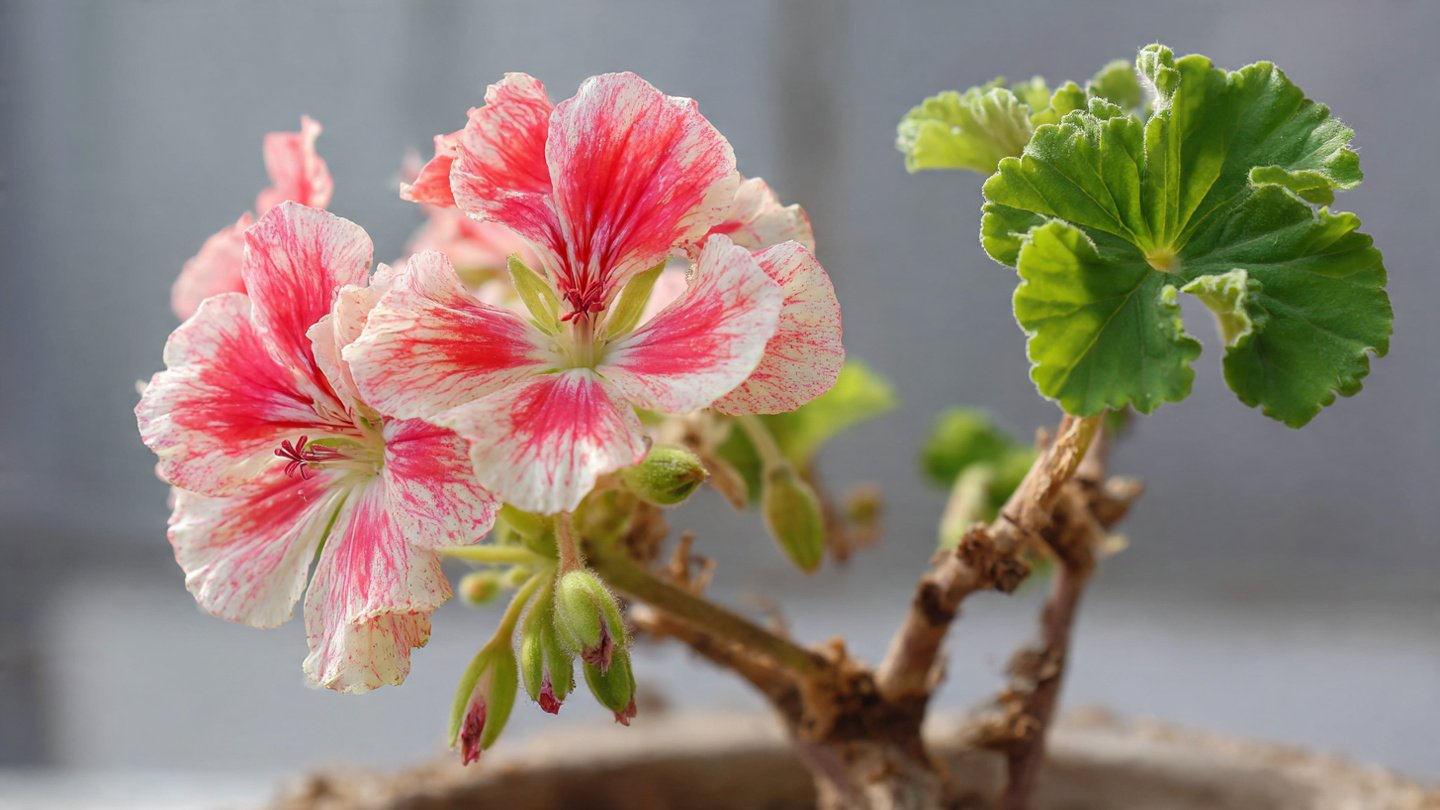
Geraniums are popular ornamental plants known for their vibrant flowers and lush green foliage. They are relatively easy to care for and make excellent additions to gardens, patios, and homes. One of the most effective ways to expand your collection of geraniums or to share them with friends and family is through stem cuttings. This article will outline the best techniques for propagating geraniums from stem cuttings at home, ensuring a successful and rewarding gardening experience.
Understanding Geraniums
Before diving into the propagation techniques, it’s important to understand what geraniums are and the different types available. The name “geranium” often refers to two groups: Pelargonium (commonly referred to as geraniums) and true geraniums. While both come in various colors and forms, Pelargonium is more commonly grown as a container plant, with varieties such as zonal, ivy, and scented geraniums.
Benefits of Propagating Geraniums
- Cost-Effective: Propagating geraniums through cuttings saves money compared to purchasing new plants.
- Plant Resilience: Cultivating your own plants from cuttings often results in stronger, healthier plants adapted to your environment.
- Variety: You can propagate your favorite varieties, ensuring you have exactly what you want in your garden.
- Sharing: Growing cuttings allows you to share plants with friends and family.
Preparing for Propagation
Before you begin propagating geraniums, gather the necessary materials:
Materials Needed
- Healthy Parent Plant: Start with a healthy, disease-free geranium plant. Look for vigorous growth and vibrant foliage.
- Sharp, Clean Scissors or Shears: Clean tools help to prevent the transmission of disease.
- Rooting Medium: A well-draining medium such as perlite, vermiculite, or a combination of potting soil and sand works well.
- Containers: Small pots or trays with drainage holes are ideal for rooting the cuttings.
- Plastic Bag or Humidity Dome: This helps maintain moisture during the rooting phase.
- Water: Clean water for misting and soaking the cuttings.
- Optional: Rooting Hormone: While not necessary, rooting hormone can increase the chances of successful root development.
Step-by-Step Propagation Techniques
Follow these steps for successful propagation of geraniums from stem cuttings:

1. Choosing the Right Time
The best time to take cuttings is during late spring or early summer when the weather is warm, and the plant is actively growing. Avoid taking cuttings during winter or fall, as the plant is usually dormant.
Latest Posts
- A Comprehensive Guide to Successfully Growing Grape Vines in Your Backyard for Beginners and Experts Alike
- Best Tips for Successful Mango Growth in Containers
- Discover the Simple Steps for Successfully Growing Coriander in a Pot
- Discovering the Ultimate Guide to Growing African Violets from Leaf Cuttings
- Simple Techniques for Successfully Growing Seedless Grapes in Home Gardens
- Ultimate Guide to Growing Balsam Plants Naturally for Vibrant Blooms
- Discover the Secrets to Growing Lush Leek Leaves with Simple Hacks for Beginners
- How to Successfully Cultivate Sweet Cherries in the Unique Climate of Canada
- The Ultimate Guide to Successfully Growing Beautiful Succulent Garden Plants at Home
- A Comprehensive Guide to Growing Dhania from Seeds for Beginners
2. Taking Cuttings
- Select a Healthy Stem: Choose a stem that is healthy and free from pests or diseases. Look for a stem that has at least 3 to 4 leaf nodes.
- Make the Cut: Using sharp, clean scissors or shears, cut a 3 to 6-inch section of the stem just below a node. Ensure that the cutting has several leaf nodes but is not flowering, as flowers can hinder rooting.
- Remove Lower Leaves: Trim off the lower leaves to expose the stem. Leave a few upper leaves; they will help the plant photosynthesize while it roots.
3. Preparing the Cuttings
- Optional: Use Rooting Hormone: Dip the cut end of the stem into rooting hormone, tapping off any excess. This step is optional but can enhance rooting success.
- Prepare the Container: Fill your pot or tray with the rooting medium and moisten it slightly. Make sure it is well-draining to prevent rot.
4. Planting the Cuttings
- Make Holes: Use a pencil or your finger to make small holes in the rooting medium for each cutting.
- Insert Cuttings: Gently place the cuttings in the holes and press the medium around them to hold them securely. Ensure that at least one leaf node is buried in the soil.
- Watering: After planting, water the cuttings gently to settle the soil around the stems.
5. Creating Humidity
To promote rooting, it’s important to maintain high humidity around the cuttings. There are two methods to achieve this:
- Plastic Bag Method: Cover the pot or tray with a plastic bag, ensuring it does not touch the cuttings. This traps moisture and maintains humidity.
- Humidity Dome: Use a humidity dome or a clear plastic container with holes for ventilation. This also helps create a humid environment.
6. Positioning the Cuttings
Place the cuttings in a warm, bright location, but avoid direct sunlight, which can scorch the leaves. A temperature range of 70°F to 75°F (21°C to 24°C) is ideal for rooting.
7. Watering and Care
Check the soil regularly; it should remain moist but not soggy. Mist the cuttings occasionally to increase humidity. Remove the bag or dome for a few hours daily to allow fresh air circulation.

8. Checking for Roots
After about 2 to 4 weeks, check the cuttings for roots by gently tugging on them. If you feel resistance, roots have begun to form.
9. Transplanting
Once the cuttings have established roots, typically after 4 to 6 weeks, they can be transplanted into larger pots or directly into the garden.
- Choose a Well-Draining Soil: Use a nutrient-rich potting mix or garden soil that drains well.
- Transplant Carefully: Ensure the roots are intact while moving the young plant. Water well after transplanting.
- Acclimate: If moving outdoors, gradually acclimate the plants to outdoor conditions over a week.
FAQs About Propagating Geraniums from Stem Cuttings
1. How long does it take for geranium cuttings to root?
It usually takes 2 to 4 weeks for geranium cuttings to develop roots, depending on conditions like temperature and humidity.
2. Should I use rooting hormone?
While rooting hormone is not necessary, it can increase the chances of successful rooting, especially for novice gardeners.

3. Can I propagate geraniums in water?
Yes, geraniums can root in water, but it’s typically less successful than rooting in soil or potting medium. If you choose this method, make sure to change the water regularly.
4. Can geraniums be propagated at any time of year?
The best time for propagation is late spring to early summer, during the active growing season. Avoid doing it during winter or fall, when the plant is dormant.
5. Why are my geranium cuttings wilting?
Wilting can occur due to insufficient moisture, excess sunlight, or a lack of humidity. Ensure the cuttings are in a suitable environment and maintain moisture levels.
6. How do I know if my cuttings are successful?
You can check for roots by gently tugging on the cuttings. If you feel resistance, roots have likely formed, and it’s time to transplant.

7. Can I propagate flowers from geraniums?
It’s best to take cuttings without flowers, as flowering can drain energy from root development. Focus only on healthy stems for optimal results.
8. How do I care for new geranium plants after propagation?
Once the plants are rooted and transplanted, care for them as you would any adult geranium: provide adequate sunlight, water properly, and fertilize as needed.
Conclusion
Propagating geraniums from stem cuttings is an enjoyable and rewarding gardening activity that can expand your plant collection without incurring significant costs. With the right materials, techniques, and care, you can successfully grow new geraniums at home. Whether for personal enjoyment or to share with friends, seedling geraniums will surely brighten any space. Happy gardening!