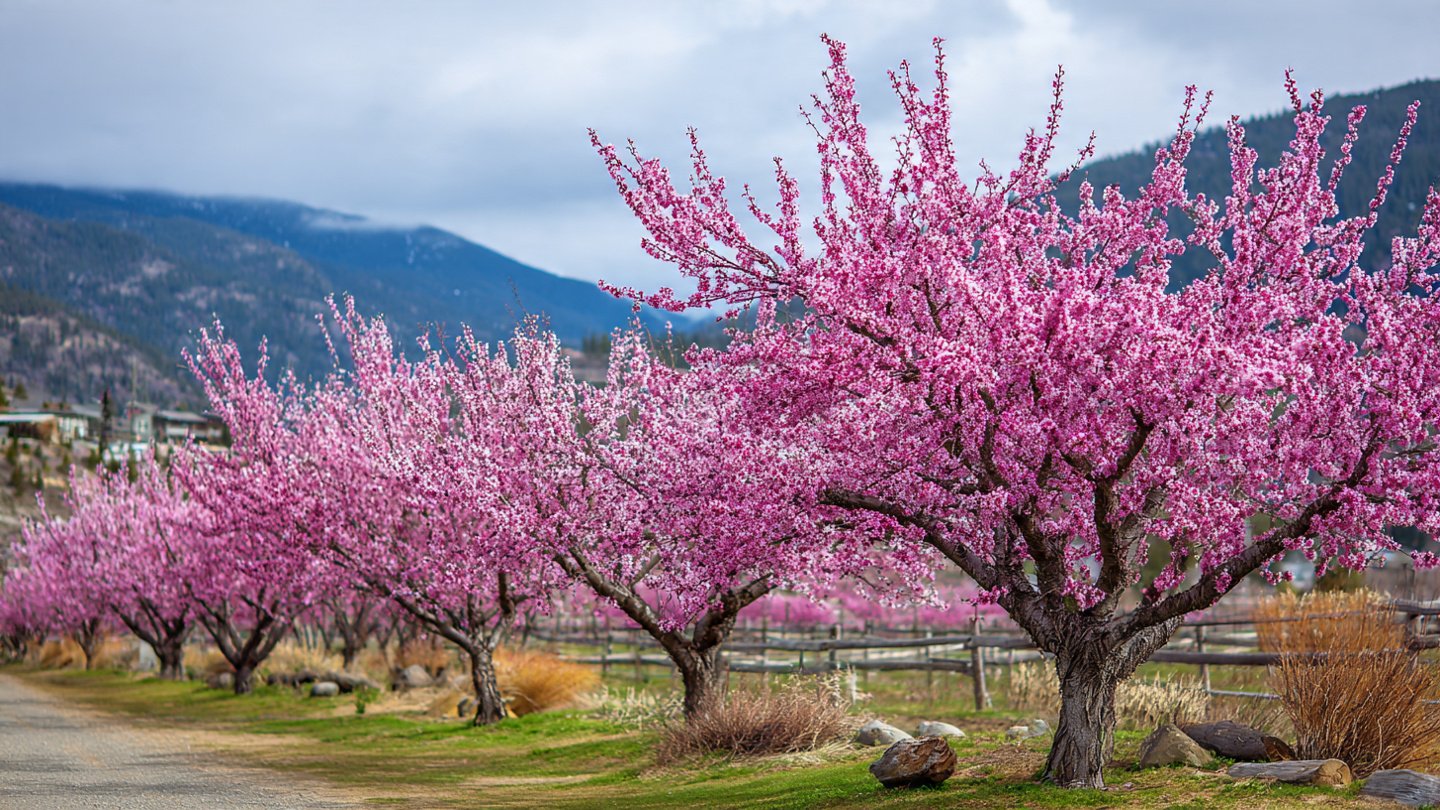
Growing peach trees (Prunus persica) in Canadian climates can be a rewarding endeavor, but it does come with its own unique challenges due to the country’s varied and often harsh weather. This article outlines the best techniques for successfully growing peach trees in Canadian climates, covering everything from site selection and soil preparation to pest management and winter protection.
1. Understanding Hardiness Zones
Before planting peach trees, it’s crucial to understand the hardiness zone of your location. Canada is home to several hardiness zones, ranging from Zone 0 in the northern territories to Zone 7 in parts of southern Ontario and British Columbia. Most peach varieties thrive in zones 5 to 8. Determining your zone will guide you in choosing the right peach tree variety that will withstand your local climate conditions.
Latest Posts
- A Comprehensive Guide to Successfully Growing Grape Vines in Your Backyard for Beginners and Experts Alike
- Best Tips for Successful Mango Growth in Containers
- Discover the Simple Steps for Successfully Growing Coriander in a Pot
- Discovering the Ultimate Guide to Growing African Violets from Leaf Cuttings
- Simple Techniques for Successfully Growing Seedless Grapes in Home Gardens
- Ultimate Guide to Growing Balsam Plants Naturally for Vibrant Blooms
- Discover the Secrets to Growing Lush Leek Leaves with Simple Hacks for Beginners
- How to Successfully Cultivate Sweet Cherries in the Unique Climate of Canada
- The Ultimate Guide to Successfully Growing Beautiful Succulent Garden Plants at Home
- A Comprehensive Guide to Growing Dhania from Seeds for Beginners
Recommended Peach Varieties
- Reliance: This variety is known for its cold hardiness, making it suitable for cooler climates.
- Harrow Beauty: Developed in Ontario, this variety is disease-resistant and produces sweet fruits.
- Redhaven: Known for its flavor and firmness, it is also relatively hardy.
2. Site Selection
Choosing the right site is a critical step in successfully growing peach trees. Here are key considerations:
Sunlight
Peach trees require full sunlight for at least 6-8 hours daily. Choose a location where the trees will be shielded from harsh winds and have maximum exposure to sunlight. South-facing slopes are ideal as they retain heat better.
Drainage
Good drainage is essential for peach trees, as standing water can lead to root rot. Avoid highly compacted soil, and consider raised beds or planting on slopes to improve drainage.

Soil Type
Peaches prefer sandy, loamy soil that is rich in organic matter. Conduct a soil test to check pH levels; peach trees thrive best in slightly acidic to neutral pH (around 6.0-7.0). Amend your soil with compost or well-rotted manure to improve texture and nutrient availability.
3. Planting Techniques
Timing
The ideal time for planting peach trees is in early spring, after the last frost. This timing allows the roots to establish before the tree enters into the active growing season.
Spacing
When planting, ensure adequate spacing between trees. A distance of 15-20 feet is generally recommended, depending on the variety, to allow for good air circulation and light penetration.
Planting Method
- Dig a hole twice the diameter of the root ball and about the same depth.
- Remove any burlap or containers; gently spread out the roots.
- Position the tree so that the graft union (swelling on the trunk) is at soil level.
- Fill the hole with soil, ensuring that there are no air pockets.
4. Watering
Peach trees require consistent moisture, particularly during their first few years. However, avoid overwatering as this can lead to fungal diseases.
Watering Tips
- Water deeply but infrequently. About 1-2 inches of water per week is ideal.
- Use mulch (wood chips or straw) around the base to conserve moisture and suppress weeds.
- Monitor rainfall; during drought conditions, increase watering frequency.
5. Fertilization
Fertilizing peach trees is vital for their growth and fruit production. A balanced fertilizer (like a 10-10-10 or 5-10-10) should be applied in early spring before new growth begins.
Fertilization Schedule
- Early Spring: Apply half of the recommended rate.
- Mid-July: Apply the remaining fertilizer.
- Late Summer: Avoid fertilizing to ensure the tree enters dormancy properly.
6. Pruning
Regular pruning is essential for promoting healthy growth and improving air circulation.
Pruning Techniques
- Formative Pruning: In the first few years, remove any dead or diseased branches and shape the tree to a vase-like structure to enhance sunlight penetration.
- Maintenance Pruning: After the tree has matured, prune it annually in late winter or early spring before the buds swell, focusing on removing crossing branches and thinning crowded areas.
7. Pest and Disease Management

Pest and disease management is crucial for the health of peach trees, especially in Canadian climates.
Common Pests
- Peach Leaf Curl: This fungal disease can severely affect peach leaves. Apply a dormant oil spray in early spring.
- Aphids: These small pests can cause significant damage. Introduce beneficial insects like ladybugs, or use insecticidal soap.
Preventive Measures
- Proper spacing and pruning increase air circulation and reduce humidity, making it harder for diseases to develop.
- Monitor trees regularly and remove any diseased or infested branches immediately.
8. Winter Protection
One of the most significant challenges for growing peaches in Canada is harsh winter temperatures. Here are some strategies to protect your trees:
Mulching
Apply a thick layer of mulch around the base of the tree in late fall. This insulates the roots and prevents soil from freezing.
Wrapping Trunks
Consider wrapping the trunks with burlap or tree guards to protect them from frost and sunscald.
Planting in Sheltered Areas

Choose locations that are less exposed to winter winds, such as near buildings or fences.
9. Harvesting
Harvesting peaches is an exciting time, but it’s essential to know when to pick them for the best flavor.
Indicators of Ripeness
- Color: Peaches should develop a rich, golden hue.
- Texture: A slight squeeze should yield to gentle pressure.
- Detachment: If the peach comes off the tree easily when lifted, it is ready to harvest.
Conclusion
Growing peach trees in Canadian climates is achievable with adequate planning and care. By following the techniques outlined in this article—from site selection and planting to pest management and winter protection—you can successfully cultivate healthy peach trees that provide delicious, home-grown fruits.
FAQ Section
1. What is the best time to plant peach trees in Canada?
The best time to plant peach trees in Canada is in early spring, after the last frost.
2. How can I protect peach trees from winter damage?
Use a thick layer of mulch at the base, wrap trunks with burlap or tree guards, and plant in sheltered locations.

3. What kind of soil do peach trees require?
Peach trees thrive in sandy, loamy soil that is rich in organic matter, with a pH of about 6.0 to 7.0.
4. How often should I water peach trees after planting?
Water deeply once a week, providing about 1-2 inches of water, particularly during dry spells.
5. What pests and diseases should I watch for?
Monitor for peach leaf curl and aphids, and use preventive measures such as proper spacing and pruning to manage issues.
6. When are peaches ready to harvest?
Peaches are typically ready to harvest when they have a rich color, yield slightly to pressure, and detach easily from the tree.
7. Can I grow peaches in containers?
Yes, dwarf varieties of peach trees can be grown in large containers, but adequate care must be taken regarding watering and fertilization.
By keeping these tips in mind, you’ll be well on your way to enjoying the fruits of your labor—literally! Happy gardening!