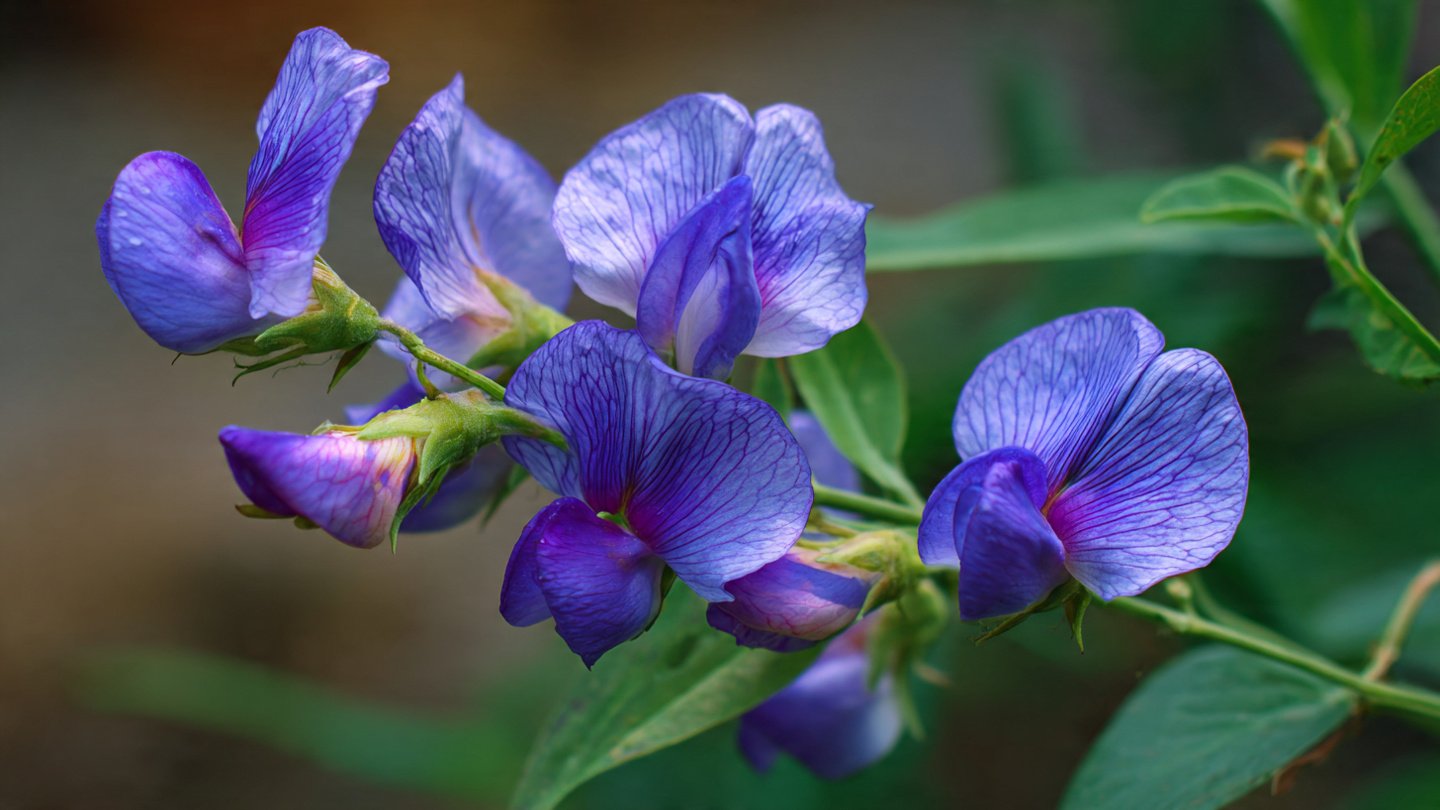
Blue pea flowers, scientifically known as Clitoria ternatea, are not only admired for their stunning blue color but are also known for their health benefits and culinary uses. These beautiful flowers can transform a garden into a vibrant spectacle, attracting pollinators and adding a touch of exotic beauty. This comprehensive guide will walk you through the steps to successfully grow blue pea flowers from seeds, discuss their care requirements, and answer some frequently asked questions.
1. Understanding Blue Pea Flowers
Origin and Uses
Latest Posts
- A Comprehensive Guide to Successfully Growing Grape Vines in Your Backyard for Beginners and Experts Alike
- Best Tips for Successful Mango Growth in Containers
- Discover the Simple Steps for Successfully Growing Coriander in a Pot
- Discovering the Ultimate Guide to Growing African Violets from Leaf Cuttings
- Simple Techniques for Successfully Growing Seedless Grapes in Home Gardens
- Ultimate Guide to Growing Balsam Plants Naturally for Vibrant Blooms
- Discover the Secrets to Growing Lush Leek Leaves with Simple Hacks for Beginners
- How to Successfully Cultivate Sweet Cherries in the Unique Climate of Canada
- The Ultimate Guide to Successfully Growing Beautiful Succulent Garden Plants at Home
- A Comprehensive Guide to Growing Dhania from Seeds for Beginners
The blue pea flower is native to tropical regions of Asia and Africa. Traditionally, these flowers have been used in herbal medicine and are valued for their antioxidant properties. In culinary applications, blue pea flowers are often used to color rice, teas, and even desserts.
Growing Zones
These flowers thrive in USDA zones 10 to 11, where the temperature remains warm year-round. However, they can also be grown in containers and brought indoors during the colder months in cooler climates.
2. Preparing to Grow Blue Pea Flowers
Choosing Seeds
When selecting seeds, ensure they are from a reputable source. Fresh seeds have higher germination rates, so check the packaging for the harvest date.
Soil Requirements
Blue pea flowers prefer well-draining soil rich in organic matter. A pH range of 6.0 to 7.0 is ideal. You can improve your soil by mixing in compost or well-rotted manure.
Location
These plants thrive in full sunlight, so choose a location that receives at least 6 to 8 hours of direct sunlight daily. A south-facing plot is usually ideal.
3. Planting Blue Pea Seeds
Seed Preparation
Before planting, soak the seeds in water for 24 hours. This soaking helps to soften the tough outer coating, increasing the chances of germination.
Planting Techniques
- Timing: The best time to plant blue pea seeds is in spring, after the last frost. In warmer climates, you can sow them in early spring or fall.
- Sowing Seeds: Plant seeds about 1 inch deep and 2 feet apart, as they can spread and require space.
- Watering: Water the area gently after planting to settle the soil. Keep the soil consistently moist until germination, which typically occurs within 2 to 3 weeks.
4. Care and Maintenance
Watering
Once established, blue pea flowers are quite drought-tolerant, but they still prefer consistent moisture, especially during flowering. Water deeply but infrequently to encourage deep root growth.
Fertilization
A balanced fertilizer can support growth, especially if the soil is lacking nutrients. Apply a diluted liquid fertilizer every six weeks during the growing season but avoid over-fertilizing, as this can lead to lush foliage with few flowers.
Pruning
Regular pruning encourages bushy growth and more blooms. Pinch back growing tips after the plants reach about 12 inches in height. This promotes lateral branching and can help maintain a tidy appearance.
5. Pests and Diseases
Blue pea flowers are relatively pest-resistant, but be on the lookout for:
- Aphids: Small insects that gather on young leaves. Use insecticidal soap to treat minor infestations.
- Fungal Diseases: Poor air circulation and overwatering can lead to fungal issues. Ensure adequate spacing and avoid water on the foliage.
Regularly inspecting your plants and maintaining good garden hygiene can help prevent most issues.
6. Harvesting
When to Harvest
The flowers can be harvested once they bloom. It’s best to pick them in the morning when the dew has dried but before the sun is too harsh.
How to Harvest
Use clean scissors or garden shears to snip the flowers at their base. Handle them gently, as they can bruise easily.
7. Using Blue Pea Flowers
The flowers can be used in various culinary applications:
- Teas: Steep the flowers in hot water for a delicate, vibrant blue tea. You can add lemon juice to see a color change to purple due to the acidity.
- Rice Dishes: Use infused water from the flowers to cook rice, giving it an alluring blue hue.
- Cocktails: Create eye-catching cocktails by adding blue pea flowers for a visual twist.
8. FAQs
1. How long does it take for blue pea flowers to bloom?
It generally takes about 10 to 12 weeks for blue pea flowers to bloom after sowing the seeds.
2. Can I grow blue pea flowers in pots?
Yes! Large containers with good drainage can be used to grow blue pea flowers. Ensure they receive ample sunlight and water consistently.
3. Are blue pea flowers edible?
Yes, the flowers are edible and can be used in various culinary dishes, teas, and even as a natural coloring agent.
4. How do I know if my seeds are viable?
Soaking the seeds is a good method; if they sink to the bottom after 24 hours, they are likely viable.
5. Do blue pea flowers attract pollinators?
Yes, the bright color and nectar produce are highly attractive to bees and butterflies, making them excellent additions to a pollinator garden.
6. What’s the ideal temperature for growing blue pea flowers?
They thrive in warm temperatures ranging from 70°F to 90°F (21°C to 32°C).
7. Can blue pea flowers survive a frost?
Blue pea flowers are sensitive to frost and should be planted after the danger of frost has passed. In cooler areas, consider bringing potted plants indoors during frost.
Conclusion
Growing blue pea flowers from seeds can be a rewarding experience that adds beauty, color, and functionality to your garden. With the proper care, attention, and thriving conditions, these stunning flowers can flourish, providing a delightful display and a variety of uses in your kitchen. Enjoy the journey of gardening, and embrace the breathtaking allure of blue pea flowers in your outdoor space. Happy gardening!