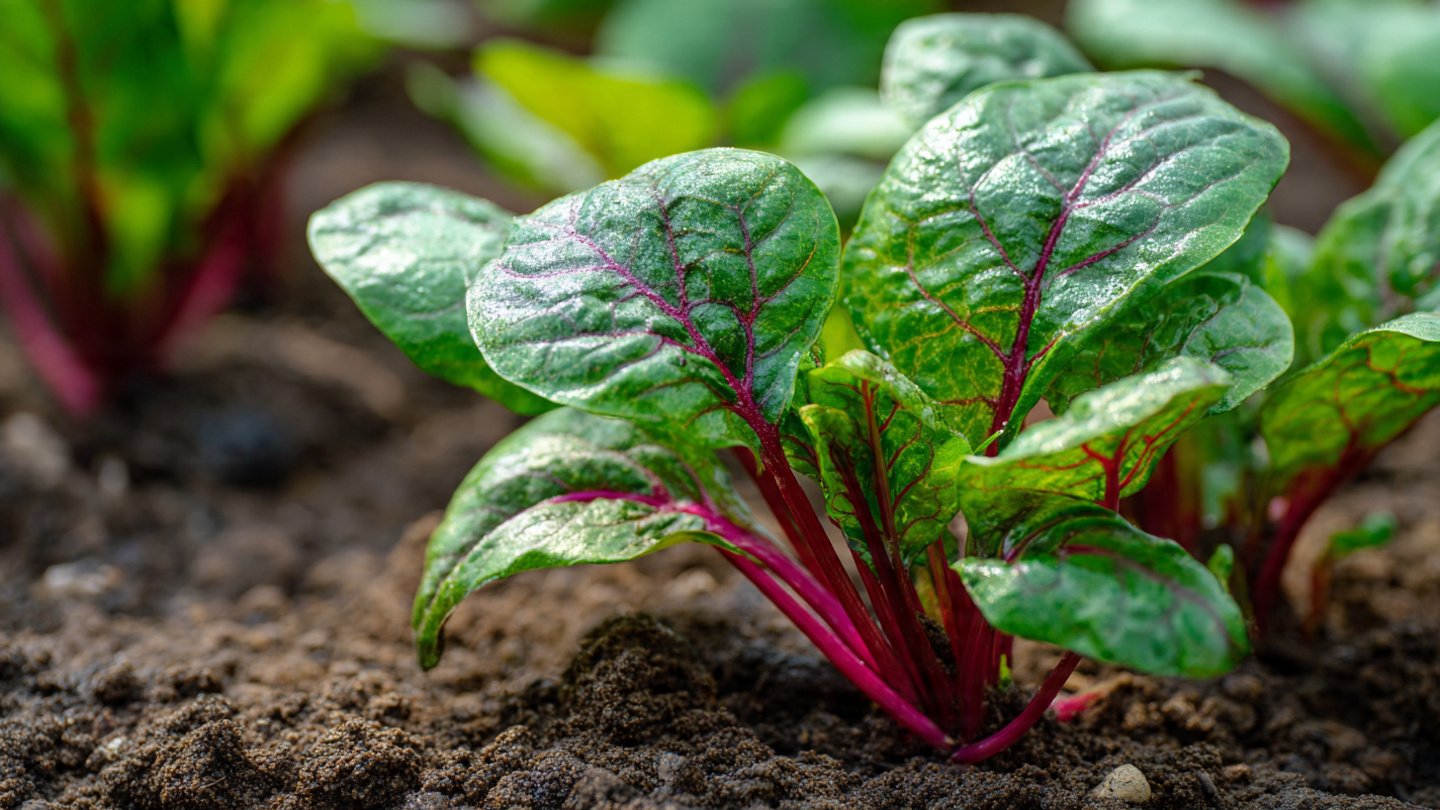
Growing your own vegetables is a rewarding endeavor that nourishes both body and soul. Among the delightful greens you can cultivate in your organic garden is Malabar spinach (Basella alba), a tropical vine known for its lush leaves and succulent texture. This guide will provide all the insights you need to grow Malabar spinach successfully using organic techniques, ensuring a thriving and productive garden.
What is Malabar Spinach?
Malabar spinach is not a true spinach but rather a perennial vine native to tropical regions of Asia and Africa. Its glossy, heart-shaped leaves have a unique flavor that is both mild and slightly peppery. The plant thrives in warmer climates and can grow up to 10 feet tall, making it ideal for trellising or using as a ground cover.
Nutritional Benefits
Not only is Malabar spinach delicious, but it also comes packed with nutrients. It is rich in vitamins A and C, calcium, iron, and antioxidants, making it an excellent addition to salads, stir-fries, and soups.

Getting Started with Malabar Spinach
- Choosing the Right Location
Malabar spinach requires a warm, sunny location to flourish. Select a site that receives at least 6-8 hours of direct sunlight daily. The soil should be well-draining yet rich in organic matter. A pH level of 6.0 to 7.0 is optimal for growth.
- Soil Preparation
To create the perfect environment for your Malabar spinach, amend the soil with plenty of organic matter. You can use compost, well-rotted manure, or leaf mold to enhance the nutrient content. Till the soil to a depth of 12-15 inches, removing any weeds or debris.
- Organic Fertilizers: Incorporate natural fertilizers like bone meal, fish emulsion, or seaweed extract into the soil to ensure the plants have enough nutrients to grow.
- Choosing Seeds or Transplants
You can grow Malabar spinach from seeds or transplants. If using seeds, soak them in water for a few hours before planting to enhance germination. If purchasing transplants, choose healthy, green plants from a reputable nursery.
Planting Malabar Spinach
- When to Plant
Malabar spinach loves warm weather and should be planted in the spring after the last frost. In USDA zones 9 and above, you can grow it throughout the year.
- Planting Techniques
- Spacing: Space seeds or transplants approximately 12-18 inches apart to allow for proper airflow and growth. If planting seeds, sow them about 1 inch deep.
- Trellising: Use a trellis or support system as Malabar spinach is a climbing vine. This not only saves garden space but also prevents leaf rot by improving air circulation.
- Watering
During the initial stages of growth, keep the soil consistently moist. Once established, Malabar spinach is somewhat drought-resistant. However, regular watering during dry spells is beneficial. Avoid overhead watering to prevent fungal diseases.
Organic Pest Management
Keeping your garden thriving involves managing pests organically. Here are some effective strategies to protect your Malabar spinach:
Latest Posts
- A Comprehensive Guide to Successfully Growing Grape Vines in Your Backyard for Beginners and Experts Alike
- Best Tips for Successful Mango Growth in Containers
- Discover the Simple Steps for Successfully Growing Coriander in a Pot
- Discovering the Ultimate Guide to Growing African Violets from Leaf Cuttings
- Simple Techniques for Successfully Growing Seedless Grapes in Home Gardens
- Ultimate Guide to Growing Balsam Plants Naturally for Vibrant Blooms
- Discover the Secrets to Growing Lush Leek Leaves with Simple Hacks for Beginners
- How to Successfully Cultivate Sweet Cherries in the Unique Climate of Canada
- The Ultimate Guide to Successfully Growing Beautiful Succulent Garden Plants at Home
- A Comprehensive Guide to Growing Dhania from Seeds for Beginners
- Companion Planting
Companion planting involves growing different plants in proximity for mutual benefits. Pair Malabar spinach with herbs like basil or marigolds to deter pests and enhance growth.
- Natural Insecticides
Use insecticidal soap or neem oil to manage common pests like aphids, spider mites, and whiteflies. These organic solutions are safe and do not harm beneficial insects.
- Handpicking
For larger pests like caterpillars, handpicking is a practical solution. Regularly inspect your plants for any signs of infestation and remove pests manually.
- Encouraging Beneficial Insects
Create a habitat for beneficial insects such as ladybugs and lacewings by planting flowers like calendula and dill, which attract them to your garden.
Harvesting Malabar Spinach
- Timing the Harvest
You can start harvesting Malabar spinach leaves when the plants are about 6-8 inches tall. Regular harvesting encourages new growth and prevents the plants from becoming leggy.
- Harvesting Techniques
- Use scissors or garden shears to snip leaves and stems, taking care not to damage the plant.
- Harvest the younger leaves for a tender texture and milder flavor, which is perfect for salads. More mature leaves are better suited for cooking.
- Post-Harvest Storage
Store harvested leaves in a perforated plastic bag in the refrigerator. They will remain fresh for several days. Malabar spinach can also be blanched and frozen for long-term storage.
Overwintering Malabar Spinach
In colder climates, it is possible to overwinter Malabar spinach by bringing potted plants indoors or creating a protective cover in the garden. If left in the ground, consider mulching heavily to protect the roots from frost.
Common Challenges
- Fungal Diseases
Malabar spinach can be susceptible to diseases like powdery mildew or leaf spot. To prevent these issues, ensure good air circulation and avoid overhead watering.
- Nutrient Deficiency
Yellowing leaves can indicate a nutrient deficiency. Regularly amend the soil with organic fertilizers and compost to maintain nutrient levels.
- Pest Infestations
Monitor for pests regularly and implement organic management strategies as needed. Early intervention is key to preventing severe infestations.
FAQs
1. Can Malabar spinach be grown indoors?
Yes! Malabar spinach can thrive indoors as long as it receives enough sunlight. A south-facing window or grow lights can help provide the necessary light conditions.
2. How do I save seeds from Malabar spinach?
Allow some of the flowers to mature and wilt on the vine. Once the seed pods are dry, collect and store them in a cool, dry place. Ensure they are completely dry to prevent mold.
3. Is Malabar spinach the same as regular spinach?
No. Malabar spinach is a tropical vine, while regular spinach (Spinacia oleracea) is a cool-season crop. They have different growing requirements and flavor profiles.
4. How can I improve the taste of Malabar spinach?
To enhance the flavor, harvest the younger leaves, and consider cooking them lightly. Combining them with stronger flavors, like garlic or spices, can also elevate the taste.
5. Can I grow Malabar spinach in partial shade?
While Malabar spinach prefers full sun, it can tolerate partial shade. However, reduced sunlight may result in slower growth and fewer leaves.
6. Is Malabar spinach frost-tolerant?
Malabar spinach is not frost-tolerant and will die if exposed to freezing temperatures. In cooler climates, consider planting it as an annual or bringing it indoors during winter.

Conclusion
Growing Malabar spinach in your garden is an enriching experience that promotes healthy eating and sustainable gardening practices. By following the organic techniques outlined in this guide, you can enjoy a bountiful harvest of this versatile green. Whether it’s the delight of plucking fresh leaves for your salad or experimenting with new recipes, Malabar spinach is sure to become a cherished part of your garden. Happy gardening!