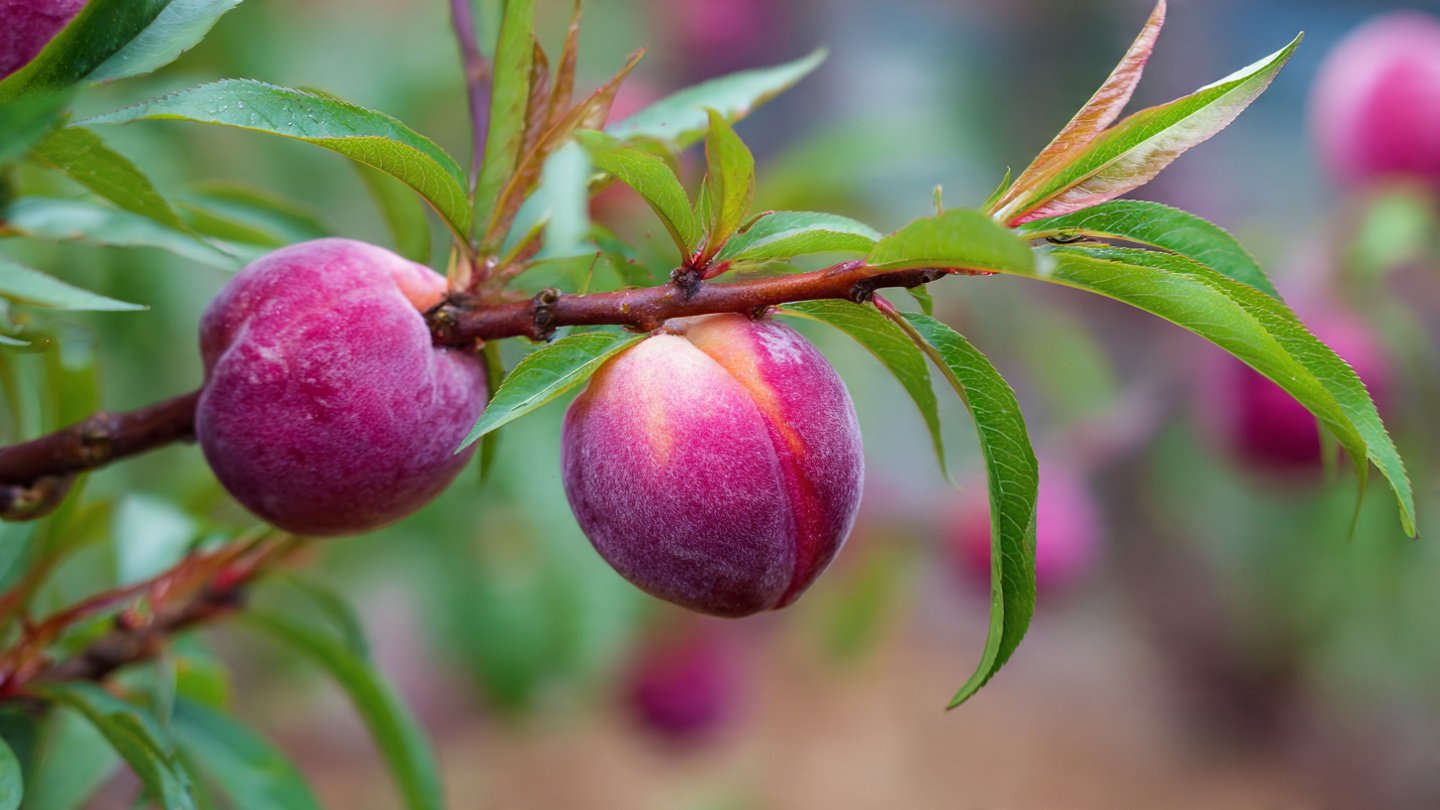
Peach trees embody the essence of summertime, offering sweet, juicy fruits that tantalize the taste buds. For home gardeners, particularly in cooler climates, growing hardy peach varieties can be a rewarding endeavor. With the right knowledge and techniques, you can cultivate healthy trees that produce abundant fruit. This guide will delve into the nuances of growing hardy peach varieties, providing insights based on climate, soil conditions, care, pest management, and harvesting.
Understanding Hardy Peach Varieties
What Are Hardy Peach Varieties?
Latest Posts
- A Comprehensive Guide to Successfully Growing Grape Vines in Your Backyard for Beginners and Experts Alike
- Best Tips for Successful Mango Growth in Containers
- Discover the Simple Steps for Successfully Growing Coriander in a Pot
- Discovering the Ultimate Guide to Growing African Violets from Leaf Cuttings
- Simple Techniques for Successfully Growing Seedless Grapes in Home Gardens
- Ultimate Guide to Growing Balsam Plants Naturally for Vibrant Blooms
- Discover the Secrets to Growing Lush Leek Leaves with Simple Hacks for Beginners
- How to Successfully Cultivate Sweet Cherries in the Unique Climate of Canada
- The Ultimate Guide to Successfully Growing Beautiful Succulent Garden Plants at Home
- A Comprehensive Guide to Growing Dhania from Seeds for Beginners
Hardy peach varieties are those that can withstand colder temperatures, making them ideal for regions with harsh winters. These varieties typically thrive in USDA Hardiness Zones 5 through 8, though some can be grown in Zone 4 with careful selection.
Best Hardy Peach Varieties
-
Contender: Known for its exceptional cold-hardiness, this variety produces large, flavorful fruits and is self-pollinating.
-
Redhaven: This classic variety is cherished for its sweet flavor, beautiful blush, and reliable production. It is a tough tree that can survive cold winters.
-
Reliance: A favorite among northern gardeners, this peach is known for its ability to withstand temperatures as low as -20°F (-29°C) and yields small to medium-sized fruits.
-
Frost: Developing lovely, juicy peaches, Frost is notable for its resistance to peach leaf curl, an essential factor for gardeners in humid regions.
-
Harrow Beauty: This variety thrives in colder climates and produces large, firm peaches that are perfect for eating fresh or canning.
Choosing the Right Location
Site Selection
Choosing the right location is crucial for peach tree success. Look for a site that:
- Receives Full Sun: Peach trees need at least 6-8 hours of direct sunlight per day.
- Has Well-Drained Soil: Avoid locations where water tends to pool.
- Offers Protection from Wind: Windbreaks or hedges can protect young trees from harsh winds.
Soil Preparation
Peach trees thrive in slightly acidic to neutral soil (pH 6.0 to 7.0). To prepare the soil:
- Test the Soil: Conduct a soil test to determine pH and nutrient levels.
- Amend the Soil: Incorporate organic matter, like compost, to improve soil fertility and drainage.
Planting Hardy Peaches
Timing
The best time to plant peach trees is in early spring after the last frost or in late fall before the ground freezes.
Planting Steps
- Dig a Hole: Make a hole that is twice as wide and as deep as the root ball.
- Check Root Health: Inspect the roots. Trim any damaged roots and soak the root ball in water for a few hours.
- Position the Tree: Place the tree in the hole, making sure that the graft union is above the soil line.
- Backfill and Water: Fill the hole with soil, pressing lightly to eliminate air pockets. Water thoroughly.
Spacing
Ensure proper spacing between trees, typically 12-15 feet apart, depending on the variety; this allows adequate airflow, reducing disease risk.
Caring for Hardy Peach Trees
Watering
Young trees need regular watering, especially during dry spells. As a rule of thumb, water deeply every week:
- For established trees, a deep soak once a month is usually sufficient.
Fertilization
Fertilizing is essential to produce healthy fruit. Use a balanced fertilizer in early spring (20-20-20 formula):
- First Year: Apply 1 tablespoon at the base.
- Subsequent Years: Increase to 1/2 cup when the tree matures.
Pruning
Pruning enhances air circulation and encourages fruit production. Key pruning times include:
- Winter Dormant Pruning: Remove any dead or crossing branches.
- Summer Pruning: Can focus on maintaining size and shape.
Pest and Disease Management
Peach trees are susceptible to various pests and diseases, including:
- Peach Leaf Curl: Caused by a fungus, it can be prevented by applying fungicides in late winter.
- Pests: Monitor for aphids, spider mites, and peach borers. Use insecticidal soaps or traps as needed.
Mulching
Applying a layer of mulch helps retain moisture, suppress weeds, and regulate soil temperature. Use organic materials like wood chips or straw.

Harvesting Your Peaches
When to Harvest
Peaches are ready for harvest when they are:
- Firm yet slightly soft: Gently squeeze the fruit; it should yield a little.
- Aromatic: A ripe peach emits a sweet fragrance.
Harvesting Technique
To harvest, twist the fruit gently while holding the stem to prevent bruising.
Post-Harvest Care
Handle peaches carefully to avoid bruising. Store them in a cool, dry place or refrigerate to prolong freshness.
FAQs About Growing Hardy Peach Varieties
1. Can I grow peach trees in pots?
Yes! Dwarf varieties, such as ‘Pix Zee’ and ‘Bonanza,’ are well-suited for container growing. Ensure you use a large enough pot and good-quality potting soil.
2. How do I know if my peach tree is self-pollinating?
Check the tree’s description; self-pollinating trees typically don’t require another tree for fruit production, while some require cross-pollination.
3. How can I protect my peach tree from pests?
Utilizing natural pest deterrents, sticky traps, and regular inspections can help manage pests without resorting to harsh chemicals.
4. What should I do if my peaches are small or falling prematurely?
Small fruit may be a result of poor pollination, inadequate watering, or nutrient deficiencies. Assess your care practices, check soil health, and ensure proper watering.
5. How can I prepare for winter?
For late fall, consider wrapping young trees for protection against frost or applying a thick layer of mulch around the base.
With proper care, attention, and dedication, growing hardy peach varieties can transform your home garden into a thriving orchard. From choices on site selection to nurturing your trees correctly, this ultimate guide serves as a comprehensive resource for successful peach cultivation. Embrace the joy of harvesting your fruit, and explore delicious recipes to enjoy the fruits of your labor!