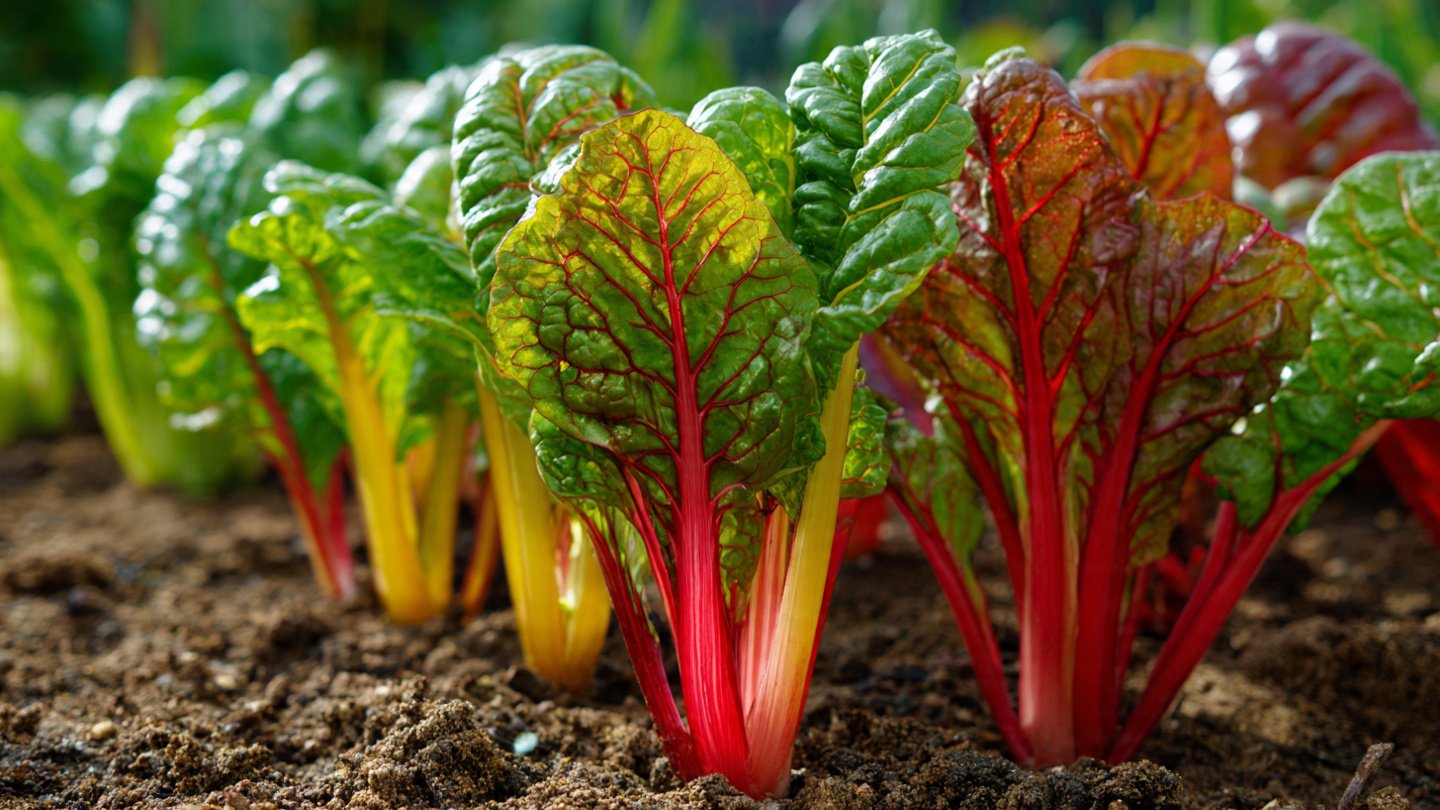
Swiss chard is one of the most versatile and hardy greens you can grow in your garden. Not only does it boast vibrant colors and a variety of textures, but it also delivers a nutritional punch high in vitamins A, C, and K. Growing Swiss chard can be easy and rewarding, even for beginners. This ultimate guide will cover everything you need to know about successfully cultivating Swiss chard, from choosing the right variety to harvesting and caring for your plants.
Understanding Swiss Chard
What is Swiss Chard?
Swiss chard (Beta vulgaris subsp. cicla), sometimes referred to as simply “chard,” is a leafy green vegetable known for its large, dark green leaves and colorful stems that range from white to red, yellow, and even pink. It is a member of the beet family and can be harvested continually throughout the growing season.
Benefits of Swiss Chard
- Nutritional Value: Swiss chard is nutrient-dense, providing substantial amounts of vitamins A, C, and K, as well as magnesium, iron, and antioxidants.
- Versatility: It can be enjoyed raw in salads, sautéed, roasted, or incorporated into a variety of dishes, making it an excellent addition to many meals.
- Easy to Grow: Swiss chard is a hardy plant that can withstand cooler temperatures, making it a great option for gardeners in various climates.
Choosing the Right Variety
There are several varieties of Swiss chard, each with unique characteristics:
- Rainbow Chard: Features vibrant multi-colored stems and is visually stunning in the garden.
- Fordhook Giant: A robust variety with large green leaves and white stems, ideal for cooking.
- Bright Lights: This variety showcases vivid, multicolored stems and is perfect for ornamental purposes as well as culinary use.
- Lucullus: Known for its tender leaves and mild flavor, this variety can be harvested young for salads or mature for cooking.
Preparing the Soil
Soil Requirements
Swiss chard thrives in well-draining, nutrient-rich soil with a pH level between 6.0 and 7.0. The addition of organic matter—such as compost or aged manure—will promote soil fertility and improve drainage.

Soil Preparation Steps
- Testing the Soil: Use a pH meter or soil test kit to evaluate the pH and nutrient levels.
- Amending the Soil: If needed, incorporate lime to raise the pH or sulfur to lower it.
- Tilling and Aeration: Turn the soil to a depth of at least 12 inches to break up compacted layers and improve aeration.
- Adding Organic Matter: Mix in compost or well-rotted manure to enrich the soil, providing essential nutrients for healthy growth.
Planting Swiss Chard
When to Plant
Swiss chard can be sowed directly into the ground in early spring or late summer. It is frost-tolerant and can handle cooler temperatures, making it great for both spring and fall crops.
Latest Posts
- A Comprehensive Guide to Successfully Growing Grape Vines in Your Backyard for Beginners and Experts Alike
- Best Tips for Successful Mango Growth in Containers
- Discover the Simple Steps for Successfully Growing Coriander in a Pot
- Discovering the Ultimate Guide to Growing African Violets from Leaf Cuttings
- Simple Techniques for Successfully Growing Seedless Grapes in Home Gardens
- Ultimate Guide to Growing Balsam Plants Naturally for Vibrant Blooms
- Discover the Secrets to Growing Lush Leek Leaves with Simple Hacks for Beginners
- How to Successfully Cultivate Sweet Cherries in the Unique Climate of Canada
- The Ultimate Guide to Successfully Growing Beautiful Succulent Garden Plants at Home
- A Comprehensive Guide to Growing Dhania from Seeds for Beginners
How to Plant
- Seed Selection: Choose a variety suited to your climate and space.
- Sowing Seeds:
- Create rows spaced about 18 inches apart.
- Plant seeds 1 inch deep and 3-4 inches apart.
- Water gently after planting.
- Transplanting Seedlings: If starting indoors, transplant seedlings outdoors when they are 4-6 weeks old, taking care to harden them off first.
Thinning and Spacing
Once seedlings emerge, thin them to about 6 inches apart to reduce competition and allow for optimal growth. This process helps plants mature properly and prevents overcrowding.
Caring for Swiss Chard
Watering
Swiss chard prefers consistent moisture but does not like waterlogged soil. Water deeply but infrequently, ensuring the soil remains moist but not saturated. Aim for about one inch of water per week, adjusting based on rainfall and temperature.
Fertilizing
Use a balanced fertilizer, like a 10-10-10 NPK or one specifically designed for greens. Apply fertilizer every 4-6 weeks, following the manufacturer’s instructions for application amounts.

Weeding
Regular weeding is essential to minimize competition for nutrients and water. Use mulch to help suppress weeds and retain moisture, improving the overall health of the plants.
Pest and Disease Management
Swiss chard can be susceptible to pests like aphids and leaf miners, as well as diseases like downy mildew. Here are some preventive measures:
- Crop Rotation: Practicing crop rotation can help prevent disease.
- Companion Planting: Some gardeners find success using companion planting to deter pests. For example, planting garlic nearby can repel aphids.
- Natural Predators: Encourage beneficial insects like ladybugs and lacewings, which prey on harmful pests.
Harvesting Swiss Chard
When to Harvest
Swiss chard is ready to harvest when the leaves are about 6-8 inches long. Younger leaves can be harvested as baby greens at around 4 inches.
How to Harvest
To harvest, use clean scissors or garden shears to cut leaves from the base of the stem. Always remove the outermost leaves first, allowing the inner leaves to continue growing for future harvests.
Post-Harvest Care
After harvesting, rinse the leaves to remove dirt and insects. Store Swiss chard in a perforated plastic bag in the refrigerator, where it can last up to a week.
Seasonal Considerations
Swiss chard can typically be sown in both spring and fall, but local climate can affect the timing. Here’s a breakdown:
- Spring: Plant seeds as soon as the soil can be worked and all risk of frost has passed.
- Fall: Sow seeds in late summer for a fall harvest, ensuring they can mature before the first hard frost.
In regions with mild winters, Swiss chard can continue growing, albeit more slowly, through the winter.
Common Challenges
- Bolting: Swiss chard may flower prematurely if temperatures rise too quickly. If you notice flowering, it’s best to harvest remaining leaves and start over in a cooler season.
- Yellow Leaves: This can indicate nutrient deficiencies, particularly nitrogen. Ensure proper fertilization to avoid this issue.
- Pest Invasion: Keep an eye out for pests and take corrective actions promptly, such as introducing beneficial insects or applying organic pesticides.
FAQs
1. Can Swiss chard be grown in containers?
Yes, Swiss chard can be grown in containers as long as they are deep enough—at least 12 inches. Ensure the container has drainage holes.

2. How long does it take for Swiss chard to mature?
Swiss chard typically takes about 50-60 days to mature from seed, but you can start harvesting baby greens in about 30-40 days.
3. Is Swiss chard a perennial plant?
Swiss chard is generally grown as an annual, but it can self-seed and grow back for multiple seasons in milder climates.
4. What is the difference between Swiss chard and spinach?
While both are leafy greens, Swiss chard has a more robust taste and thicker leaves compared to the tender leaves of spinach, which tend to bolt more quickly.
5. Can I freeze Swiss chard?
Absolutely! Blanch Swiss chard leaves for a few minutes in boiling water, then cool them in ice water. Drain and store in freezer bags for later use.

6. Can I grow Swiss chard in partial shade?
Yes, Swiss chard can tolerate partial shade, although it will perform best in full sun. Aim for at least 4-6 hours of sunlight daily.
7. How do you prevent Swiss chard from going to seed?
Keeping plants well-watered and avoiding stress during hot weather can help delay bolting and premature flowering.
Conclusion
Swiss chard is a fantastic addition to any vegetable garden thanks to its nutritional benefits and ease of growing. By understanding its specific needs—from soil preparation to pest management—you can enjoy a continuous harvest of this versatile green throughout the growing season. With a bit of care and attention, you’ll be well on your way to cultivating succulent Swiss chard that can elevate your meals and enhance your health. Happy gardening!