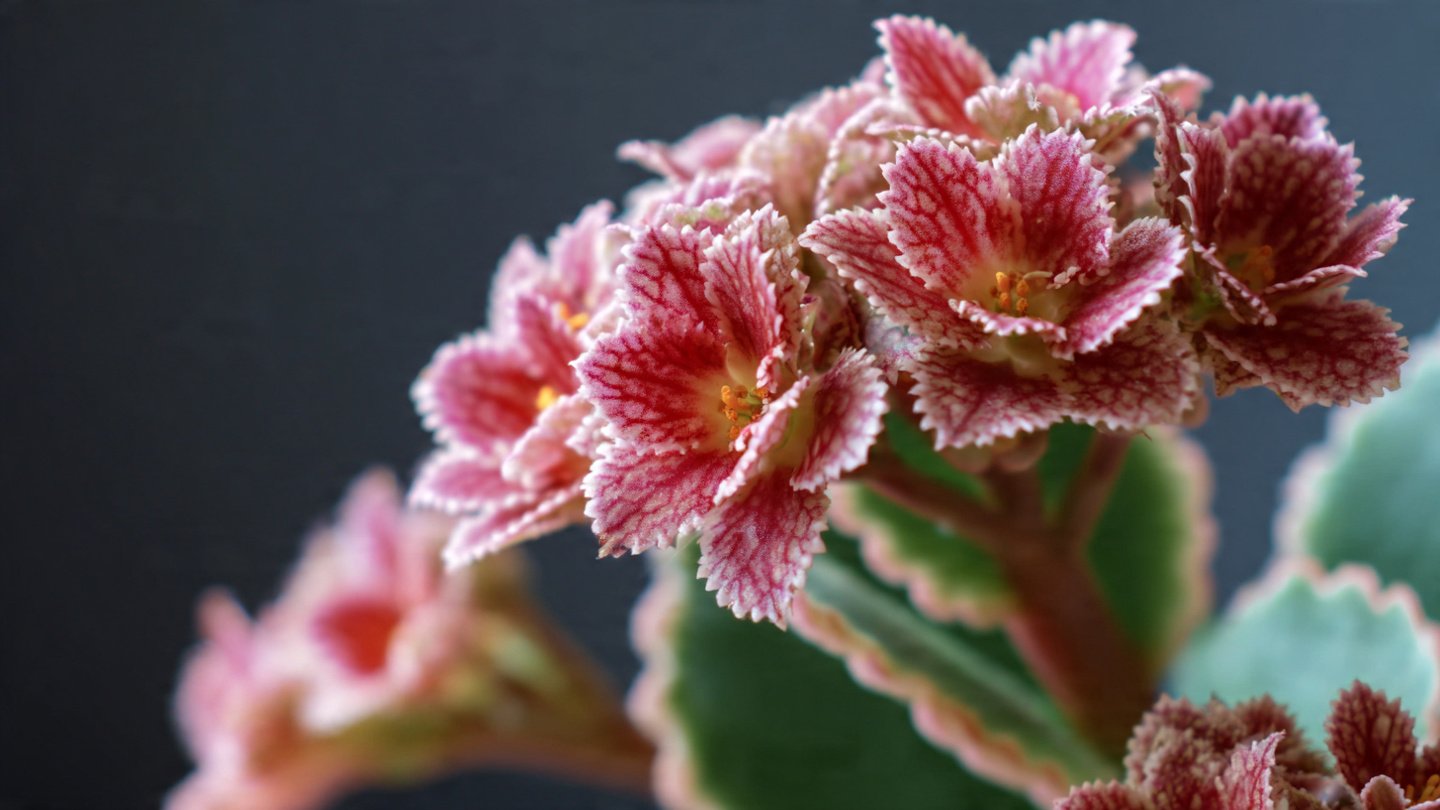
Kalanchoe, often cherished for its vibrant blooms and hardy nature, is a versatile succulent perfect for both novice and experienced gardeners. This ultimate guide will walk you through the essentials of growing Kalanchoe, from choosing the right variety to plant care and maintenance. Let’s delve into the world of this stunning plant and discover how to make it a showstopper in your home or garden.
1. Understanding Kalanchoe
1.1 What is Kalanchoe?
Latest Posts
- A Comprehensive Guide to Successfully Growing Grape Vines in Your Backyard for Beginners and Experts Alike
- Best Tips for Successful Mango Growth in Containers
- Discover the Simple Steps for Successfully Growing Coriander in a Pot
- Discovering the Ultimate Guide to Growing African Violets from Leaf Cuttings
- Simple Techniques for Successfully Growing Seedless Grapes in Home Gardens
- Ultimate Guide to Growing Balsam Plants Naturally for Vibrant Blooms
- Discover the Secrets to Growing Lush Leek Leaves with Simple Hacks for Beginners
- How to Successfully Cultivate Sweet Cherries in the Unique Climate of Canada
- The Ultimate Guide to Successfully Growing Beautiful Succulent Garden Plants at Home
- A Comprehensive Guide to Growing Dhania from Seeds for Beginners
Kalanchoe belongs to the Crassulaceae family and consists of over 200 species. Native to Madagascar and other tropical areas, these succulents come in various forms, with some producing clusters of small flowers in stunning hues ranging from red to yellow. They thrive in warm, dry climates and are resilient to drought, making them an excellent choice for outdoor gardens and indoor spaces alike.
1.2 Popular Varieties
- Kalanchoe Blossfeldiana – Known for its small, colorful flowers.
- Kalanchoe tomentosa (Panda Plant) – Features furry, gray-green leaves with brown edges.
- Kalanchoe fedtschenkoi (Chandelier Plant) – Boasts elongated leaves and is often used for hanging arrangements.
- Kalanchoe luciae (Paddle Plant) – Recognizable by its large, paddle-shaped leaves, often with a reddish tint.
2. Ideal Conditions for Growing Kalanchoe
2.1 Light Requirements
Kalanchoe thrives in bright, indirect sunlight. A south-facing window is ideal, as these plants appreciate about six hours of light each day. However, too much direct sunlight can scorch their leaves. If the sunlight is too intense, consider using sheer curtains to diffuse the light.

2.2 Temperature and Humidity
Kalanchoe prefers warmer temperatures of 60°F to 85°F (15°C to 29°C). Protect it from frost and extreme cold, as this can harm the plant. Humidity should be low to moderate; typical household humidity is usually acceptable.
2.3 Soil Requirements
Use a well-draining cactus or succulent potting mix. You can also create your own mix by combining regular potting soil with perlite or sand for additional drainage. Kalanchoe dislikes overly wet or compacted soil, which can lead to root rot.
3. Planting Kalanchoe
3.1 Choosing the Right Pot
Select a pot with drainage holes to allow excess water to escape. Terracotta pots are a great option as they help wick moisture away from the roots, promoting healthier growth.
3.2 Propagation
Kalanchoe can be easily propagated through leaf or stem cuttings. To do this:
- Choose a healthy leaf or stem from an existing plant.
- Let it sit for a few days to allow the cut surface to callous over.
- Place it in well-draining soil and water lightly until roots establish, usually within a few weeks.
3.3 Planting Steps
- Fill the pot with your chosen soil mix.
- Make a hole in the center for the plant.
- Remove the Kalanchoe from its original container, being gentle with the roots.
- Place the plant into the hole, filling in with soil, and gently pat down.
- Water lightly and place in a well-lit area.
4. Care and Maintenance
4.1 Watering
One of Kalanchoe’s most significant attributes is its low water requirement. Let the soil dry out completely between waterings. During the growing season (spring and summer), water approximately every two weeks. In the winter, reduce watering to once a month.
4.2 Fertilizing
Feed Kalanchoe with a balanced, diluted fertilizer every four to six weeks during the growing season. Opt for a fertilizer specifically designed for succulents, as it will provide the necessary nutrients without over-fertilizing.
4.3 Pruning and Deadheading
To keep your Kalanchoe looking its best, prune away any dead or wilted leaves. Deadheading spent flowers encourages new blooms. Always use clean, sharp scissors to minimize damage to the plant.
4.4 Pest Management
Kalanchoe is relatively pest-resistant, but it can occasionally attract mealybugs and aphids. Inspect your plant regularly and remove any pests you see. A gentle wash with soapy water or insecticidal soap can help manage infestations.
5. Flowering and Blooms
Kalanchoe typically blooms during the late winter or early spring, offering vibrant flowers that last for several weeks. To encourage more blooms:
-
Light Cycling – Kalanchoe requires a period of darkness to stimulate flowering. For best blooms, ensure the plant experiences around 14 hours of darkness every day for about six weeks before the blooming season.
-
Temperature Control – Keep the temperature consistent, as fluctuations can affect blooming.
-
Pinching Back – If your Kalanchoe gets leggy, pinch back some of the stems to promote bushier growth and more flowers.
6. Common Problems and Solutions
6.1 Leaf Drop
Overwatering is often the culprit for leaf drop. Ensure that the soil is dry before watering again.
6.2 Root Rot
If you notice yellowing leaves or a mushy base, root rot may have developed. Remove the plant from its pot, cut away any affected roots, and repot in fresh soil.
6.3 Pest Infestations
Regularly check your plants for signs of pests. Early intervention is key: use insecticidal soap or neem oil to treat infestations.
6.4 Leggy Growth
Insufficient light can cause Kalanchoe to grow tall and spindly. Move the plant to a brighter location, and consider pinching back the stems to encourage a bushier shape.
7. Conclusion
Growing Kalanchoe is a rewarding endeavor, providing a splash of color and life to any space. With minimal care requirements and the right conditions, this resilient succulent can thrive and produce stunning blooms season after season. Whether displayed as a centerpiece or in a charming arrangement, Kalanchoe can elevate your decor and brighten any room.

FAQs
1. How often should I water my Kalanchoe?
Water your Kalanchoe every two weeks during the growing season, and once a month in the winter, ensuring the soil dries out completely between waterings.
2. Can I grow Kalanchoe indoors?
Yes, Kalanchoe thrives indoors provided it gets bright, indirect light. A south-facing window is ideal.
3. How long do Kalanchoe flowers last?
Kalanchoe flowers typically last for several weeks, often blooming in cycles throughout the year when given proper care.
4. Why are the leaves of my Kalanchoe turning yellow?
Yellowing leaves can indicate overwatering or insufficient light. Check soil moisture and adjust watering habits accordingly.
5. Is Kalanchoe toxic to pets?
While Kalanchoe is not highly toxic, it can cause vomiting and diarrhea in pets if ingested. Keep your plants out of reach of curious animals.
By following these guidelines and tips, you’ll have a flourishing Kalanchoe that not only adds beauty but also brings a sense of tranquility to your living space. Happy gardening!