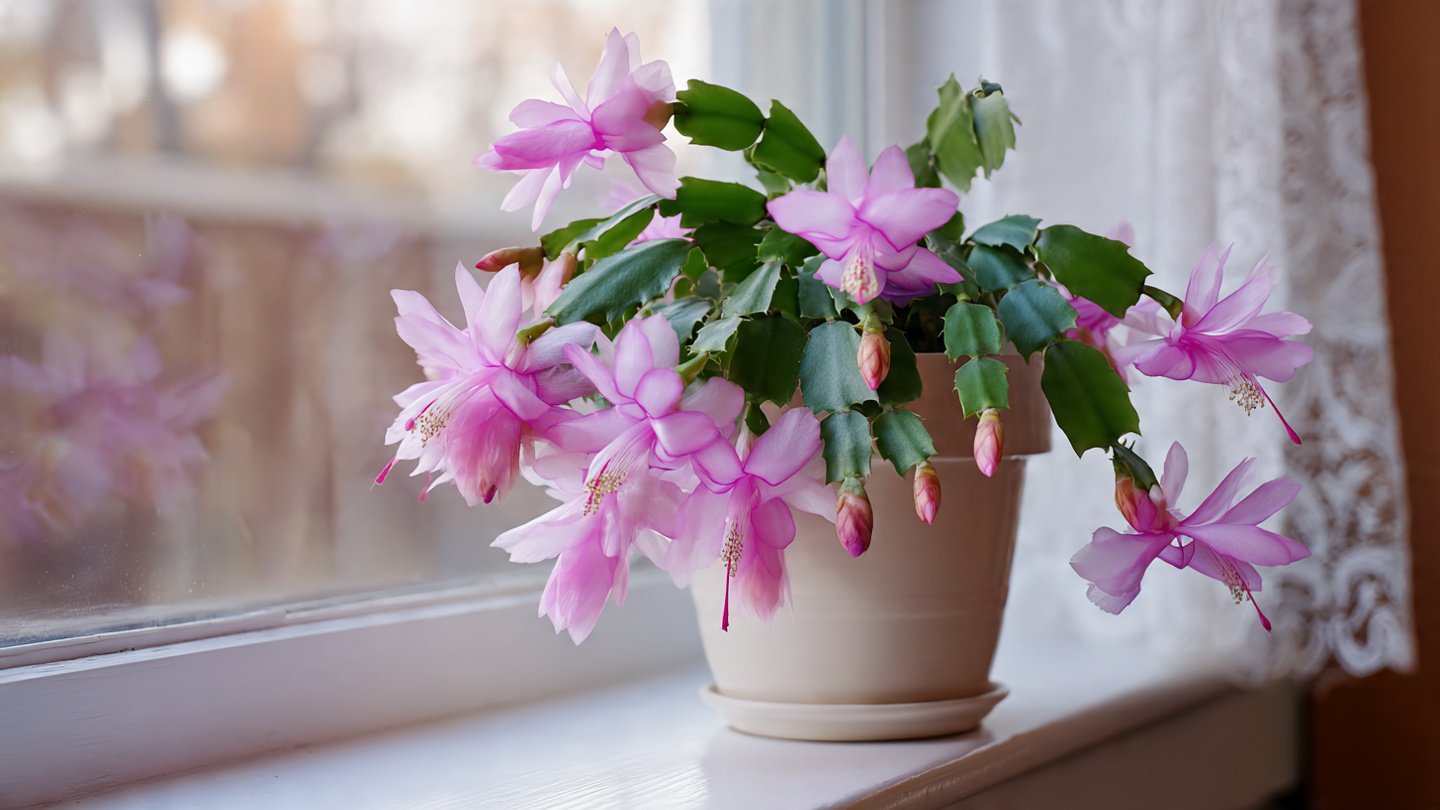
Christmas Cactus, scientifically known as Schlumbergera, is a popular houseplant cherished for its unique qualities and vibrant blooms. Unlike your typical desert cacti, Christmas Cacti thrive in a tropical environment, making them ideal for indoor cultivation. This guide covers everything you need to know about growing and caring for a Christmas Cactus, including ideal conditions, watering practices, and common problems.
Understanding Christmas Cactus
Before diving into care tips, it’s essential to understand what makes the Christmas Cactus unique. Originating from the rainforests of Brazil, these cacti do not require the harsh conditions associated with their desert-dwelling cousins. Instead, they’re accustomed to humid, shaded environments.
Latest Posts
- A Comprehensive Guide to Successfully Growing Grape Vines in Your Backyard for Beginners and Experts Alike
- Best Tips for Successful Mango Growth in Containers
- Discover the Simple Steps for Successfully Growing Coriander in a Pot
- Discovering the Ultimate Guide to Growing African Violets from Leaf Cuttings
- Simple Techniques for Successfully Growing Seedless Grapes in Home Gardens
- Ultimate Guide to Growing Balsam Plants Naturally for Vibrant Blooms
- Discover the Secrets to Growing Lush Leek Leaves with Simple Hacks for Beginners
- How to Successfully Cultivate Sweet Cherries in the Unique Climate of Canada
- The Ultimate Guide to Successfully Growing Beautiful Succulent Garden Plants at Home
- A Comprehensive Guide to Growing Dhania from Seeds for Beginners
Scientific Classification
- Family: Cactaceae
- Genus: Schlumbergera
- Common Name: Christmas Cactus
The Christmas Cactus is distinct for its segmented, flat leaves and beautiful tubular flowers that bloom in colors ranging from red and pink to white and purple.
Ideal Growing Conditions
1. Light Requirements
Christmas Cacti prefer bright, indirect sunlight. Direct sunlight can scorch their leaves. A spot near a north or east-facing window with filtered light is ideal. If you notice the plant growing leggy or not flowering, it may be hungry for more light.
2. Temperature
These cacti flourish between 60°F and 70°F (15°C to 21°C) during the day and prefer slightly cooler temperatures at night. Avoid exposure to drafts or sudden temperature changes, which can stress the plant.

3. Humidity Levels
Being tropical plants, Christmas Cacti thrive in a humid environment. Aim for humidity levels between 40% and 60%. If your indoor air is dry, especially in winter, consider using a humidity tray or a room humidifier to keep your plant healthy.
Planting and Potting
1. Choosing the Right Pot
Choose a pot with drainage holes to prevent waterlogging, which can lead to root rot. Terracotta pots are an excellent option, as they allow for airflow and moisture control.
2. Soil Type
Opt for a well-draining potting mix. A high-quality cactus mix or a blend of peat, perlite, and coarse sand will provide the necessary drainage while retaining some moisture.
3. Repotting
Christmas Cacti prefer being slightly root-bound, so repotting is not frequently required. Every 2-3 years, when growth slows down or the soil quality deteriorates, consider repotting.
Watering Practices
Watering is crucial for the health of your Christmas Cactus. Here are some guidelines:
1. Frequency
Water your Christmas Cactus when the top inch of soil feels dry. This might be every 2-3 weeks during the growing season (spring and summer) and less frequently during dormancy (fall and winter).
2. Watering Technique
Water the plant thoroughly until water drains from the bottom of the pot, but allow it to dry out slightly before the next watering. Avoid letting the plant sit in standing water; this can lead to root rot.
Fertilization
Fertilizing is essential for promoting blooming.
1. Type of Fertilizer
Use a balanced, water-soluble fertilizer formulated for cactus or blooming plants. A 20-20-20 nutrient ratio is excellent for holiday cacti.
2. Frequency
Fertilize every 4-6 weeks during the growing season (spring and summer) and cease feeding in fall and winter during dormancy.
Pruning and Maintenance
1. Pruning
Prune your Christmas Cactus post-blooming to remove dead or leggy growth. This will encourage bushier growth and more blooms in the following season. You can also propagate the trimmed segments.
2. Pest Control
Keep an eye out for common pests like spider mites, mealybugs, and aphids. Use insecticidal soap or neem oil for effective treatment.

3. Disease Prevention
The most common issue facing Christmas Cacti is root rot due to overwatering. Ensure proper soil and pot drainage to avoid this problem.
Encouraging Blooms
One of the most appealing features of Christmas Cacti is their vibrant blooms during the holiday season. Here’s how to encourage blooming:
1. Dormancy Period
Starting in late September, reduce watering and maintain temperatures between 50°F and 60°F (10°C to 15°C) for about six weeks. This dormancy period helps trigger the blooming process.
2. Light Exposure
After the dormancy period, return the cactus to its usual environment of bright, indirect sunlight to encourage blooming.
3. Watering During Blooming
Once buds appear, resume regular watering but ensure the cactus does not sit in waterlogged conditions.
Common Troubleshooting
Despite your best care, you may encounter issues with your Christmas Cactus. Here are common problems and their solutions:

1. Wilting Leaves
Wilting can indicate either underwatering or overwatering. Check the soil moisture; if it’s too dry, water thoroughly. If the soil is soggy, let it dry out before re-watering.
2. Yellowing Leaves
Yellow leaves often indicate overwatering or poor drainage. Check the roots for rot and adjust watering practices accordingly.
3. Lack of Blooms
If your Christmas Cactus is not blooming, revisit its light exposure and watering schedule during the dormancy period.
4. Pest Infestations
Inspect regularly for signs of pests. If you notice any, treat the plant immediately to prevent the infestation from worsening.
Conclusion
With the right care and conditions, growing a Christmas Cactus can be incredibly rewarding. Their stunning blooms can elevate your indoor space, and they’re a unique addition to any plant collection. By following the tips and guidelines outlined in this guide, you’ll be well on your way to enjoying the beauty of this special holiday plant.
FAQs
1. How often should I water my Christmas Cactus?
Water your Christmas Cactus when the top inch of soil feels dry, typically every 2-3 weeks, depending on environmental conditions.

2. Can I keep my Christmas Cactus outdoors?
Christmas Cacti prefer indoor conditions unless you live in a warm, humid climate. Protect them from direct sunlight, drafts, and temperature extremes when outdoors.
3. Why is my Christmas Cactus dropping leaves?
Leaf drop can be triggered by temperature changes, underwatering, or overwatering. Check the environmental conditions and adjust your care routine accordingly.
4. How can I propagate my Christmas Cactus?
You can propagate your cactus by taking 2-3 segments from a healthy plant and allowing them to callous for a few days. Plant them in well-draining soil, and keep the soil slightly moist until new growth appears.
5. Do Christmas Cacti have a dormant period?
Yes, Christmas Cacti go dormant in late fall. Reduce watering and keep the plant in cooler temperatures to encourage blooms during the holiday season.
By understanding these aspects of care for your Christmas Cactus, you can ensure a vibrant, blooming plant that adds beauty to your home during the holidays and throughout the year. Happy gardening!