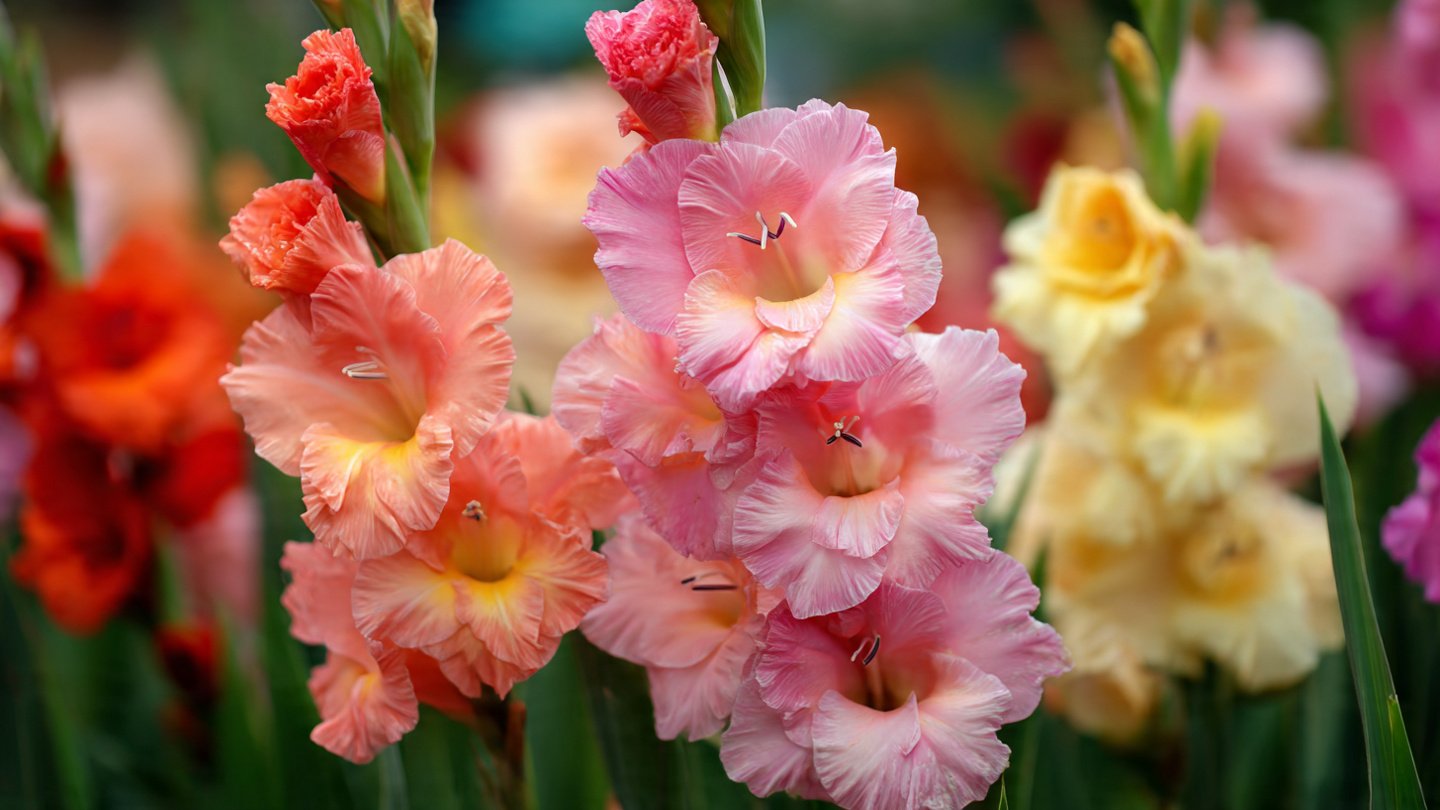
Growing gladiolus from bulbs at home can be a rewarding and colorful addition to your garden. These gorgeous blooms come in various colors and sizes, making them a favorite for both novice and experienced gardeners. In this guide, you will learn about the essential steps to ensure your gladiolus flourish, as well as some common questions related to growing these stunning flowers.
Understanding Gladiolus
Gladiolus, often referred to as “glads,” are a genus of perennial flowering plants. They are known for their tall, elegant flower spikes, which can reach heights of 4 feet. The flowers bloom sequentially from the bottom of the spike upward, creating a beautiful display that lasts for weeks. Gladioli are native to tropical and subtropical regions of Africa and the Mediterranean.
Latest Posts
- A Comprehensive Guide to Successfully Growing Grape Vines in Your Backyard for Beginners and Experts Alike
- Best Tips for Successful Mango Growth in Containers
- Discover the Simple Steps for Successfully Growing Coriander in a Pot
- Discovering the Ultimate Guide to Growing African Violets from Leaf Cuttings
- Simple Techniques for Successfully Growing Seedless Grapes in Home Gardens
- Ultimate Guide to Growing Balsam Plants Naturally for Vibrant Blooms
- Discover the Secrets to Growing Lush Leek Leaves with Simple Hacks for Beginners
- How to Successfully Cultivate Sweet Cherries in the Unique Climate of Canada
- The Ultimate Guide to Successfully Growing Beautiful Succulent Garden Plants at Home
- A Comprehensive Guide to Growing Dhania from Seeds for Beginners
Choosing the Right Bulbs
-
Select Healthy Bulbs: Look for firm, healthy bulbs that are free from mold or rot. Choose bulbs that are at least 1 inch in diameter for better blooms.
-
Varieties: Decide which gladiolus varieties you want to grow. Common varieties include the large-flowered, dwarf, and miniature types. Each type has its unique bloom size and flower count.
-
Timing: Gladiolus bulbs are typically planted in spring, around the last frost date in your area. They bloom in the summer, providing a vibrant display during warm months.
Preparing the Planting Site

-
Location: Gladiolus thrive in full sunlight. Choose a planting location that receives at least 6-8 hours of direct sunlight daily.
-
Soil Requirements: Well-drained, rich soil is crucial for healthy gladiolus growth. Sandy loam is ideal. Test your soil, and if necessary, mix compost or well-rotted manure to enrich the soil.
-
pH Level: Gladiolus prefer a slightly acidic to neutral soil pH (around 6.0-7.0). You can test your soil with a kit or through a local extension service.
Planting Gladiolus Bulbs
-
When to Plant: Gladiolus bulbs should be planted in late spring. Plant when the soil temperature is at least 60°F (15°C) for optimal growth.
-
Planting Depth: Dig holes about 4-6 inches deep (10-15 cm), depending on the bulb size, and space them 4-6 inches apart. For larger bulbs, a deeper planting (up to 6 inches) is beneficial.
-
Positioning: Place the pointed end of the bulb facing upward in the hole. Cover the bulbs with soil and gently firm the soil around them to avoid air pockets.
-
Watering: Water immediately after planting to settle the soil. Ensure that the soil remains moderately moist but not waterlogged.

Care and Maintenance
-
Watering Schedule: Gladiolus require consistent moisture, especially during their growing period. Water them weekly, ensuring that the soil stays moist but not soggy.
-
Fertilization: Use a balanced fertilizer once a month during the growing season. A liquid or granular fertilizer with a balanced ratio (like 10-10-10) works well. Be cautious not to over-fertilize, which can harm the bulbs.
-
Mulching: Adding a layer of mulch can help retain soil moisture and suppress weeds. Use organic materials like straw or shredded leaves.
-
Staking: Taller gladiolus varieties may need staking to prevent them from toppling over due to wind or heavy blooms. Install stakes when planting, or carefully tie the stems to the stakes as they grow.
-
Pest Management: Keep an eye out for common pests like aphids and thrips. Insecticidal soap or neem oil can help manage pest populations. Removing any infected plants promptly can prevent the spread of disease.
Preparing for Blooming
-
Cutting Flowers: To encourage more blooms, cut the flower spikes when the bottom flowers begin to open. Use sharp shears and cut at a 45-degree angle.
-
Promoting Blooms: Pinching off any spent blooms will divert energy back to the plant, leading to more flowers.
-
Cleaning Up: Remove any dead foliage or spent flowers to promote healthy growth and reduce disease risk.
Post-Bloom Care
-
After Blooming: Once gladiolus blooms fade, continue watering and caring for the plants until the foliage dies back. This process helps the bulbs store nutrients for the next growing season.
-
Digging Up Bulbs: In cooler climates, dig up the bulbs after the foliage has completely yellowed. Allow them to dry in a warm place for a week before storing.
-
Storage: Store the bulbs in a cool, dark, and dry location. Use mesh bags or cardboard boxes to prevent moisture buildup. Ideal storage temperatures are between 50-70°F (10-21°C).
-
Replanting: Gladiolus bulbs can be replanted in late spring, and you can utilize the same bulbs for several years with proper care.
Common Mistakes to Avoid
-
Overwatering: Gladiolus do not thrive in waterlogged soil. Ensure adequate drainage to prevent bulb rot.
-
Neglecting Sunlight: Without sufficient sunlight, gladiolus will grow weak and produce fewer blooms.
-
Failing to Fertilize: Regular feeding is crucial for healthy blooms. Comprehensive fertilization helps support growth and flowering.
-
Ignoring Pest Signs: Early detection of pests or diseases is vital. Regular checks on your plants can help you address potential issues before they escalate.
FAQs
Q1: How long do gladiolus bulbs take to bloom?
A: Gladiolus usually bloom about 60-90 days after planting, depending on the variety and growing conditions.

Q2: Can I grow gladiolus in containers?
A: Yes, gladiolus can be grown in containers as long as they have sufficient drainage and receive adequate sunlight.
Q3: Do gladiolus bulbs need to be dug up each year?
A: In warmer climates, gladiolus can be left in the ground. However, in colder regions, it’s advisable to dig up and store the bulbs to prevent them from freezing.
Q4: What pests should I look out for?
A: Common pests affecting gladiolus include aphids, thrips, and spider mites. Regularly inspect your plants for these pests.
Q5: Can I cut gladiolus flowers for arrangements?
A: Absolutely! Gladiolus flowers are popular for arrangements. Just make sure to cut them at an angle for better water absorption.
Q6: How often should I fertilize my gladiolus?
A: Fertilize gladiolus once a month during the growing season with a balanced fertilizer.
Conclusion
Growing gladiolus from bulbs at home is a fulfilling endeavor that rewards you with stunning blooms throughout the summer. With proper care, including selecting healthy bulbs, providing appropriate growing conditions, and maintaining the plants, you can create a colorful display in your garden or patio. By following the simple steps outlined above, you’ll be well on your way to enjoying the beauty of gladiolus for years to come. Happy gardening!