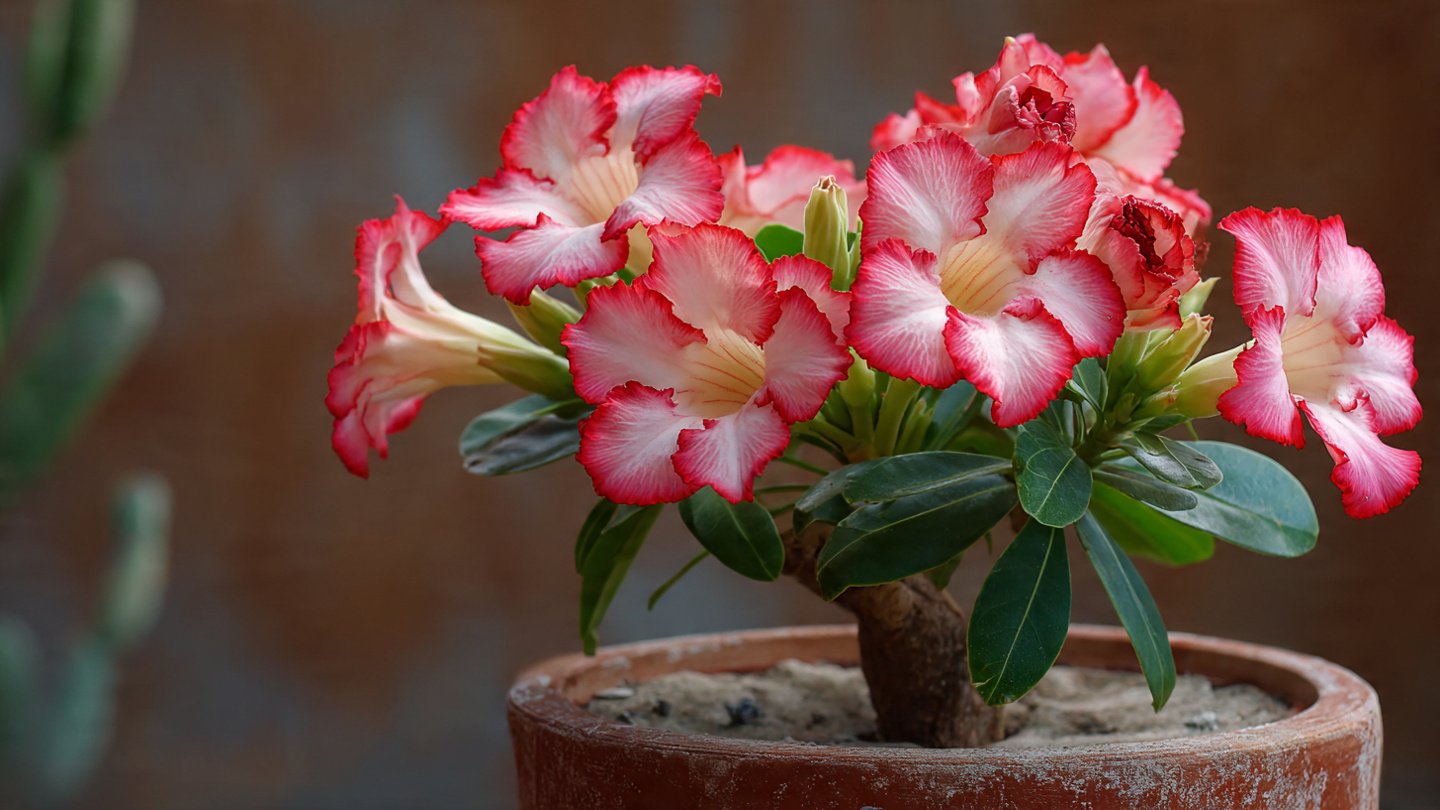
Adenium, commonly known as desert rose, is a stunning flowering plant known for its vibrant blooms and unique succulent-like appearance. With their thick stems and narrow, glossy leaves, these plants make for beautiful indoor and outdoor displays. Growing Adenium flowers in pots is not only feasible but also rewarding if done correctly. This article delves into the essential aspects of growing Adenium flowers successfully in pots, providing you with a guide to create stunning displays indoors and outdoors.
Understanding Adenium
Before we delve into the growth process, it’s important to understand the plant itself:
Latest Posts
- A Comprehensive Guide to Successfully Growing Grape Vines in Your Backyard for Beginners and Experts Alike
- Best Tips for Successful Mango Growth in Containers
- Discover the Simple Steps for Successfully Growing Coriander in a Pot
- Discovering the Ultimate Guide to Growing African Violets from Leaf Cuttings
- Simple Techniques for Successfully Growing Seedless Grapes in Home Gardens
- Ultimate Guide to Growing Balsam Plants Naturally for Vibrant Blooms
- Discover the Secrets to Growing Lush Leek Leaves with Simple Hacks for Beginners
- How to Successfully Cultivate Sweet Cherries in the Unique Climate of Canada
- The Ultimate Guide to Successfully Growing Beautiful Succulent Garden Plants at Home
- A Comprehensive Guide to Growing Dhania from Seeds for Beginners
- Origin: Adenium originates from Africa and the Arabian Peninsula. It thrives in warm, arid regions and is a succulent, meaning it stores water in its stem.
- Species: The most popular species is Adenium obesum, known for its beautiful trumpet-shaped flowers which can be found in various colors, including pink, white, and red.
- Growth Habit: Adeniums can grow up to 3 feet tall and produce flowers throughout the year, especially in warmer climates.
Choosing the Right Pot
Size
The pot size is crucial for proper root development. Here are some guidelines:
- Initial Pot: Start with a pot that is about 6 to 8 inches in diameter for young plants.
- Re-potting: As the plant grows, re-pot into larger containers (up to 14 inches) to accommodate root growth.
Material
Choose pots that encourage proper drainage. Materials include:
- Terracotta: Good for aeration and drainage.
- Plastic: Lightweight and retains moisture, but ensure it has adequate drainage holes.

Drainage Holes
Always ensure your pot has drainage holes to prevent root rot. Good drainage is essential for Adenium plants, as they can be sensitive to waterlogged conditions.
Soil Requirements
Adeniums require a well-draining soil mix to thrive. Consider the following:
Soil Composition
- Cactus Soil Mix: A general cactus potting mix provides excellent drainage.
- Home-Made Mix: Combine equal parts potting soil, coarse sand, and perlite for an ideal mix that retains moisture but drains well.
pH Level
Adenium prefers a slightly acidic to neutral pH (6.0 – 7.0). Ensuring the right pH can lead to better nutrient uptake.
Light Conditions
Indoor Growing
- Bright, Indirect Light: Place your Adenium in a location where it receives bright, indirect sunlight. South-facing windows are ideal.
- Supplemental Lighting: Consider using grow lights if natural light is insufficient.
Outdoor Growing
- Full Sun: Ideally, plant your Adenium outdoors in an area that receives full sun for at least 6 to 8 hours a day.
- Protection from Extreme Heat: In blazing sun, ensure your plants have some protection, as too much direct sunlight can scorch the leaves.
Watering Practices
General Guidelines
Watering is perhaps the most critical aspect of Adenium care:
- Allow Soil to Dry: Water only when the top 1-2 inches of soil are dry. Overwatering can lead to root rot.
- Less Frequent in Winter: During the winter months, when the plant enters dormancy, reduce watering significantly, watering only when the soil has dried completely.
Water Quality
Use distilled or rainwater if possible, as Adenium can be sensitive to chlorine and fluoride found in tap water.
Fertilizing Adenium
Type of Fertilizer
- Balanced Fertilizer: Use a balanced, water-soluble fertilizer (e.g., 20-20-20) diluted to half strength during the growing season (spring to early fall).
- Low-Nitrogen Fertilizer: Alternatively, a high-potassium fertilizer can promote flowering.
Application Frequency
- During Active Growth: Fertilize once every 4-6 weeks during the growing season.
- Avoid Fertilizing: Do not fertilize during the winter months when the plant is dormant.
Pruning and Shaping
Importance of Pruning
Regular pruning encourages branching and a fuller plant. Pruning also helps remove dead or diseased leaves.
Best Time to Prune
- After Flowering: Prune once blooms have faded, usually in late summer.
- Tools: Use clean, sharp scissors or pruning shears to prevent infection.
Pest and Disease Management
Adenium plants can attract pests or suffer from diseases if not properly cared for:
Common Pests
- Aphids: Small, sap-sucking insects that can stunt growth.
- Mealybugs: White, cottony pests that can affect the plant’s health.
Management Strategies
- Insecticidal Soap: Use insecticidal soap to remove pests.
- Neem Oil: Apply neem oil as a natural pesticide.
Root Rot
This is the most significant threat due to overwatering. Symptoms include wilting and browning roots. Always ensure good drainage and allow the soil to dry between watering.
Indoor Display Ideas
Adenium plants are not only magnificent in bloom but also charming in their structure. Here are some ideas for indoor displays:
- Single Specimen Display: A single Adenium in a decorative pot can be a striking focal point on a table or shelf.
- Group Displays: Group smaller pots together for variety in color and height.
- Hanging Planters: Dwarf varieties work well in hanging baskets.
Outdoor Display Ideas
Creating beautiful outdoor displays requires creativity:
- Pots Along Pathways: Use a staggered arrangement of pots along garden pathways.
- Mixed Containers: Combine Adeniums with other succulents or drought-tolerant plants for a beautiful outdoor container garden.
- Garden Beds: Plant them in garden beds with gravel mulch for enhanced drainage.
Seasonal Care
Summer Care
During the summer, ensure they are adequately watered and shield them from extreme heat if necessary.
Winter Care
If your climate experiences frost, it’s best to bring Adeniums indoors to prevent cold damage. Reduce watering and avoid fertilizing.
FAQs
1. Can Adenium be grown indoors?
Yes, Adenium can be grown indoors if placed in a spot that receives ample light. Using grow lights can help during low-light seasons.

2. How often should I repot my Adenium?
Repot every 2-3 years or when the plant outgrows its current pot. Signs of being root-bound are roots emerging from the drainage holes.
3. Why are the leaves dropping?
Leaf drop can occur due to overwatering, underwatering, or sudden temperature changes. Monitor watering habits and environmental conditions.
4. Are Adeniums toxic to pets?
Yes, Adenium is toxic to pets if ingested. Keep them out of reach of pets and children.
5. How do I encourage blooming?
Ensure your Adenium receives plenty of sunlight, water it properly, and apply a low-nitrogen fertilizer during the growing season.
6. What temperature do Adeniums prefer?
Adeniums thrive in temperatures between 65°F to 90°F (18°C to 32°C). They do not tolerate frost.
7. Can I take cuttings from my Adenium?
Yes, cuttings can be taken. Allow the cut ends to callous over for a day before planting in well-draining soil.
Growing Adenium flowers in pots not only adds beauty but also enhances the atmosphere of your indoor and outdoor spaces. With the right care and attention, you can successfully cultivate these stunning plants, ensuring vibrant blooms and health for years to come. Happy gardening!