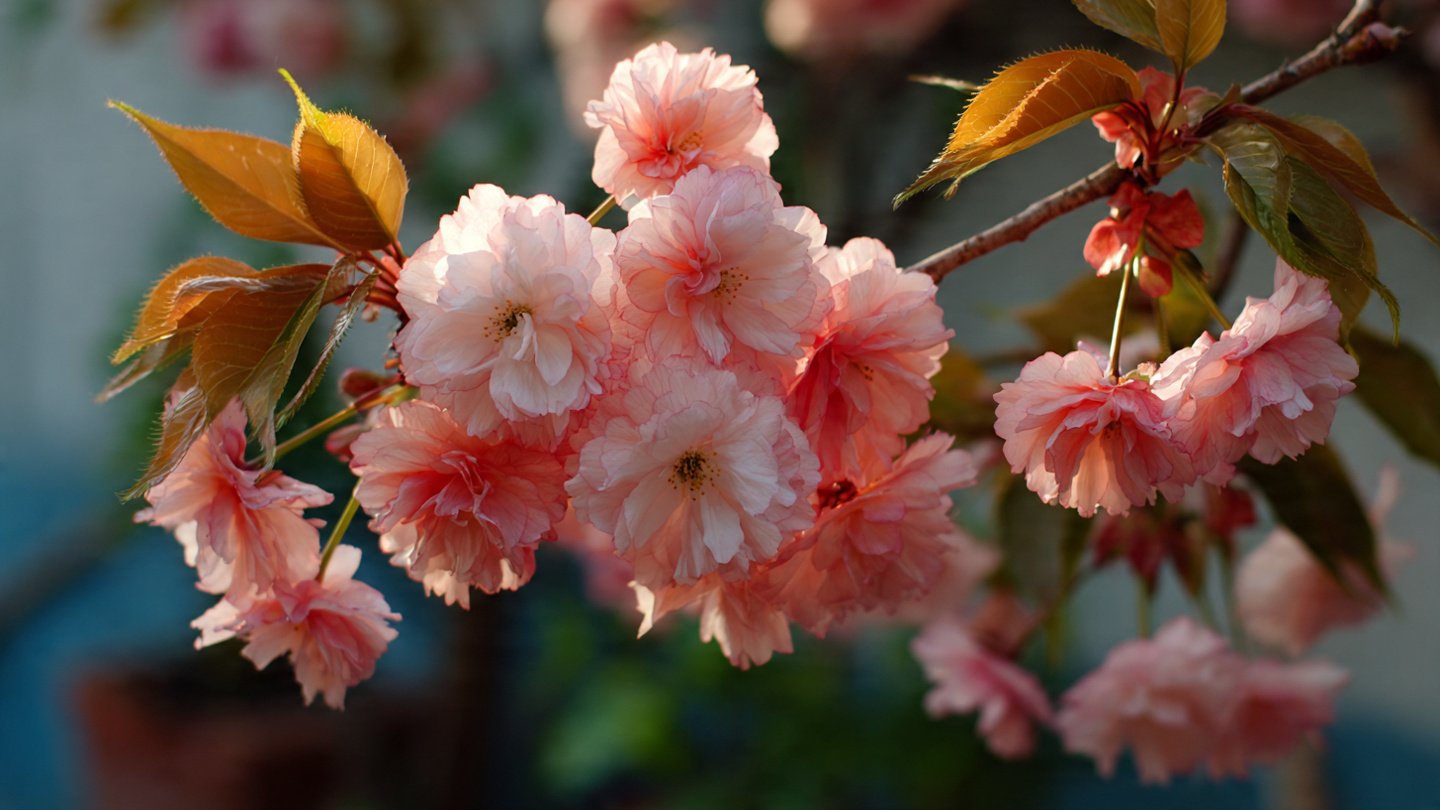
Cherry trees are a stunning addition to any garden, offering beautiful blossoms in spring and sweet, juicy fruits in summer. Whether you want to flavor your pies, enjoy fresh cherries right off the tree, or create a visually appealing landscape, growing a cherry tree can be an incredibly rewarding experience. This article will guide you through the essential steps to grow a healthy cherry tree at home, covering everything from choosing the right variety to ensuring proper care and maintenance.
Choosing the Right Cherry Tree Variety
Before you even plant your cherry tree, it’s essential to choose the right variety for your climate and purpose. There are two main types of cherry trees: sweet cherries (Prunus avium) and sour (or tart) cherries (Prunus cerasus).
Latest Posts
- A Comprehensive Guide to Successfully Growing Grape Vines in Your Backyard for Beginners and Experts Alike
- Best Tips for Successful Mango Growth in Containers
- Discover the Simple Steps for Successfully Growing Coriander in a Pot
- Discovering the Ultimate Guide to Growing African Violets from Leaf Cuttings
- Simple Techniques for Successfully Growing Seedless Grapes in Home Gardens
- Ultimate Guide to Growing Balsam Plants Naturally for Vibrant Blooms
- Discover the Secrets to Growing Lush Leek Leaves with Simple Hacks for Beginners
- How to Successfully Cultivate Sweet Cherries in the Unique Climate of Canada
- The Ultimate Guide to Successfully Growing Beautiful Succulent Garden Plants at Home
- A Comprehensive Guide to Growing Dhania from Seeds for Beginners
Sweet Cherries
These are often larger and juicier. They’re perfect for eating fresh or using in desserts and jams. However, they typically require cross-pollination, which means you’ll need at least two trees of different varieties to produce fruit.
Sour Cherries
These are usually smaller and more tart, making them great for cooking into pies or preserves. Some sour cherry varieties are self-pollinating, so you might only need one tree.
Considerations
- Climate: Make sure to choose a variety that is suitable for your USDA Plant Hardiness Zone. Some varieties thrive in warmer climates, while others can withstand colder temperatures.
- Space: Cherry trees can grow quite large, so consider the space you have available. Dwarf varieties are also available for smaller gardens.
Site Selection and Preparation
Sunlight
Cherry trees require full sunlight to thrive. Aim for a location that receives at least 6 to 8 hours of direct sunlight a day.
Soil
The ideal soil for cherry trees is well-drained, loamy soil with a pH between 6.0 and 7.0. To ensure good drainage, you may want to consider adding organic matter or compost to your soil. If the soil in your garden is heavy clay or too sandy, amending it can significantly improve its quality.
Spacing
When planting multiple cherry trees, ensure they are spaced appropriately—usually at least 20-25 feet apart for standard trees, and about 10-15 feet apart for dwarf varieties. This allows for good airflow and reduces the likelihood of disease.
Planting Your Cherry Tree
Timing
The best time to plant a cherry tree is in early spring or early fall when temperatures are milder.
Steps to Plant
- Dig the Hole: Make a hole that is twice as wide as the tree’s root ball and about the same depth.
- Prepare the Roots: If your tree is in a pot, gently remove it and loosen the roots if they are circling around the root ball.
- Planting: Place the tree in the center of the hole, ensuring that the graft union (the swollen area where the tree variety was grafted onto the rootstock) is above the soil line.
- Backfill: Fill the hole with a mixture of native soil and compost. Water the soil as you go to eliminate air pockets.
- Watering: Once the tree is planted, water it deeply to help establish roots.
Watering Cherry Trees
Initial Watering
Water your newly planted cherry tree deeply one to two times a week for the first few months to encourage a strong root system.
Established Trees
Once established, cherry trees typically need about an inch of water a week, either from rainfall or supplemental irrigation. Be careful not to overwater, as this can lead to root rot. During dry spells in summer, you may need to increase watering frequency.
Fertilizing Cherry Trees
Timing
Apply fertilizer in early spring before new growth starts.
Type of Fertilizer
Choose a balanced fertilizer with an NPK ratio of 10-10-10 or a slower-release organic option. Apply according to package instructions based on your tree’s age.
Signs of Nutrient Deficiency
Watch for signs that your tree may need more nutrients, such as yellowing leaves or poor fruit set.
Pruning and Maintenance
Importance of Pruning
Regular pruning is essential for maintaining the shape of your tree, promoting good airflow, and encouraging fruit production.
When to Prune
Prune in late winter or early spring when the tree is still dormant.
How to Prune
- Remove Dead or Diseased Wood: Start by cutting any dead or diseased branches back to healthy wood.
- Thin Out Crowded Areas: Thin out crowded branches to improve airflow.
- Shape the Tree: Create a vase shape by removing lower branches and allowing sunlight into the center.
Protecting Your Cherry Tree
Pest Control
Keep an eye out for common pests, including aphids, spider mites, and cherry fruit flies. Employ organic pesticides or insecticidal soaps when necessary.
Disease Prevention
Potential diseases like brown rot or powdery mildew may affect cherry trees. Ensure good airflow by pruning and consider applying fungicide treatments as needed.
Wildlife Protection
Birds can quickly snack on your ripening cherries. Use netting or scare tactics to protect your fruit during the harvest season.

Harvesting Your Cherries
Timing
Cherries are typically ready for harvest in mid to late summer, depending on your variety and local climate. Ripe cherries will be dark in color and slightly soft to the touch.
How to Harvest
Gently twist the stem to detach the cherry from the tree. Avoid pulling hard, as this can damage the fruit or the tree.
Storage
Store fresh cherries in the refrigerator for up to a week or freeze them for longer storage. If you’re preserving them, canning or making jam are excellent options.
Enjoying Flowers and Fruit
Aside from producing delicious fruit, cherry trees also offer stunning displays of blossoms in the spring. The delicate pink and white flowers not only enhance your landscape but are also a vital food source for bees and other pollinators.
FAQs
1. How long does it take for a cherry tree to bear fruit?
Most cherry trees will start to produce fruit within 3-5 years of planting, though some may take longer. Patience is key!
2. Can I grow cherry trees in containers?
Yes, dwarf varieties are suitable for container gardening. Make sure your container has good drainage and is large enough to accommodate the root system.
3. Do cherry trees need pollinators?
Sweet cherries typically require cross-pollination, so plant at least two different varieties. Sour cherries may be self-pollinating but can also produce better yields when planted with a second tree.
4. What should I do if my cherry tree doesn’t bloom or fruit?
Factors like improper pruning, lack of sunlight, insufficient watering, or even pest infestations can impede flowering and fruiting. Assess your conditions and care regimen to identify potential issues.
5. Are cherry trees susceptible to diseases?
Yes, like all fruit trees, cherry trees can suffer from diseases such as brown rot or powdery mildew. Regular care, pruning, and maintaining good airflow can help alleviate these concerns.
6. How often should I fertilize my cherry tree?
Fertilize once in early spring at planting and consider supplemental feeding if you notice signs of nutrient deficiency.
7. Can I eat cherries right off the tree?
Absolutely! Fresh cherries right from the tree are sweet and delicious.
Final Thoughts
Growing a cherry tree at home can yield not only delicious fruit but also beautiful blossoms that enhance your garden’s aesthetic. With proper planning, care, and patience, you can cultivate a cherry tree that provides joy for years to come. Enjoy the process, and soon you will be relishing fresh cherries and admiring your vibrant, flowering tree.