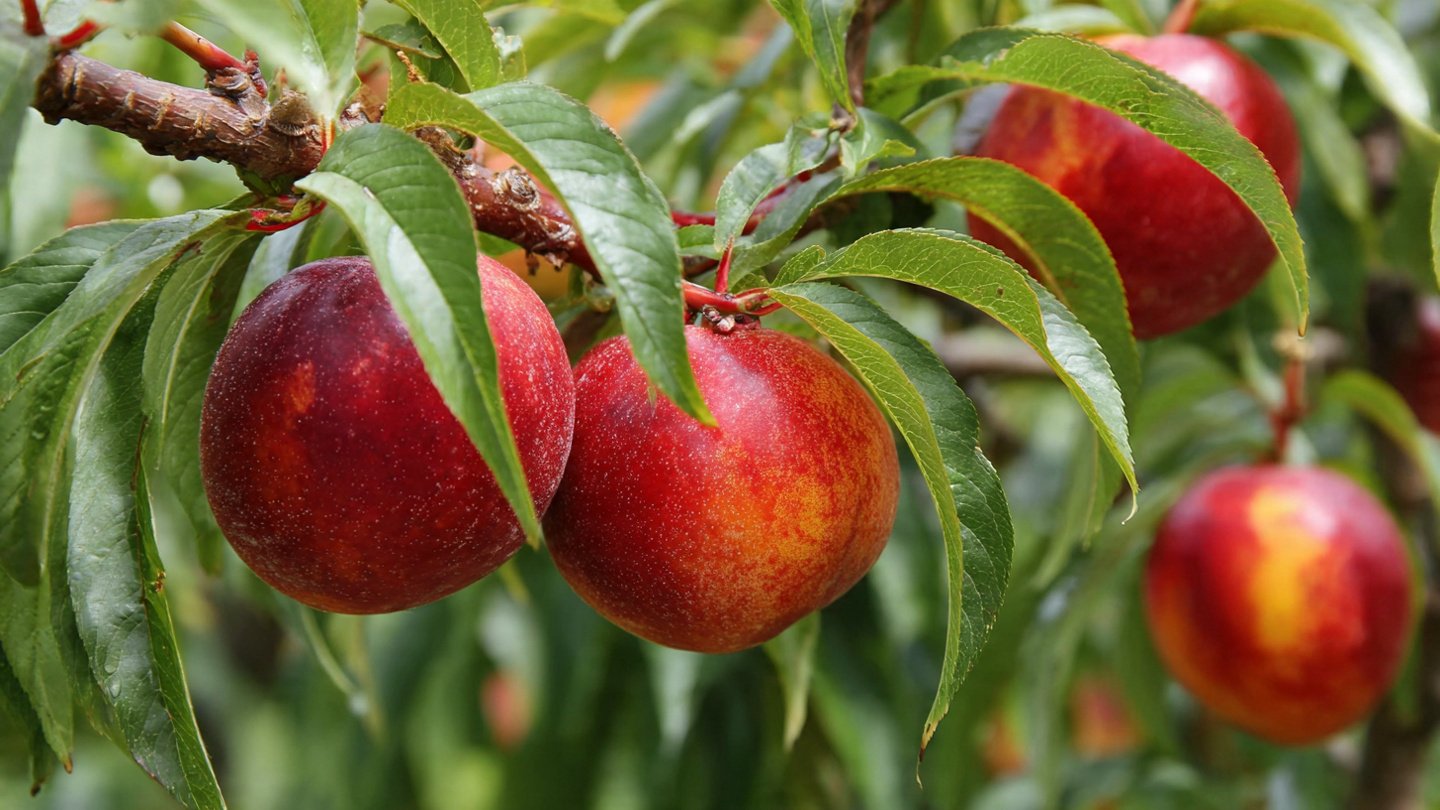
Nectarine trees, prized for their sweet, juicy fruit, are increasingly being planted in various regions, including colder climates like those found in Canada. While nectarines are typically associated with warmer environments, with the right techniques, they can flourish and yield abundant fruit even in the colder regions of Canada. This article provides a comprehensive guide on how to successfully cultivate nectarine trees in these challenging climates, along with tips for optimal fruit production and a frequently asked questions (FAQs) section.
Understanding Nectarine Trees
Nectarines (Prunus persica var. nucipersica) belong to the same species as peaches (Prunus persica) but differ primarily by their smooth skin. These trees can produce a delicious range of fruits that are often enjoyed fresh or used in jams, desserts, and other culinary applications.
Latest Posts
- A Comprehensive Guide to Successfully Growing Grape Vines in Your Backyard for Beginners and Experts Alike
- Best Tips for Successful Mango Growth in Containers
- Discover the Simple Steps for Successfully Growing Coriander in a Pot
- Discovering the Ultimate Guide to Growing African Violets from Leaf Cuttings
- Simple Techniques for Successfully Growing Seedless Grapes in Home Gardens
- Ultimate Guide to Growing Balsam Plants Naturally for Vibrant Blooms
- Discover the Secrets to Growing Lush Leek Leaves with Simple Hacks for Beginners
- How to Successfully Cultivate Sweet Cherries in the Unique Climate of Canada
- The Ultimate Guide to Successfully Growing Beautiful Succulent Garden Plants at Home
- A Comprehensive Guide to Growing Dhania from Seeds for Beginners
Varieties Adapted to Cold Climates
The first step in successfully cultivating nectarines is selecting varieties that can withstand colder temperatures. Some varieties that have shown resilience in Canadian climates include:
- Hardy Nectarine: This variant can tolerate colder temperatures, yielding fruit with rich flavor.
- Reliance: Known for its disease resistance and productivity, Reliance can thrive in the colder regions.
- Rising Star: Ideal for climates with short summer seasons, this variety produces sweet nectarines.
Selecting the Right Site
Choosing the right location for your nectarine trees is critical. Nectarines thrive in full sunlight, so select a site that receives at least 6 to 8 hours of direct sunlight daily. Other considerations include:
- Soil: Nectarines require well-drained, sandy loam soils enriched with organic matter. Conduct a soil test to ensure proper pH levels (ideally between 6.0 and 7.0).
- Air Circulation: Avoid planting in low spots that may trap cold air, as nectarines are sensitive to frost.
- Wind Protection: Determine if natural barriers (like buildings or fences) can shield the trees from harsh winds.
Planting Nectarine Trees
The best time to plant nectarines in colder Canadian climates is in the spring after the last frost. Here are steps for planting:
- Prepare Planting Holes: Dig holes that are twice the width and the same depth as the root ball of the tree. This ensures ample room for root expansion.
- Improve Soil Quality: Mix organic material, such as compost or well-rotted manure, into the soil to improve nutrient content and drainage.
- Planting: Place the tree in the hole, ensuring the graft union (swelling on the trunk) is above the soil line. Backfill the hole with the amended soil, and water thoroughly.
Watering and Fertilization
Proper care during the early years is essential for establishing healthy nectarines.
- Watering: During the first couple of years, water the tree regularly, especially during dryer spells. Aim for deep watering to encourage root growth, typically once a week.
- Fertilizer: Use a balanced fertilizer in early spring to promote growth. An NPK (Nitrogen-Phosphorus-Potassium) ratio of 10-10-10 works well.
Mulching
Applying a layer of mulch around the base of the tree serves multiple purposes:
- Moisture Retention: Helps to retain soil moisture.
- Weed Control: Minimizes competition from weeds.
- Temperature Moderation: Insulates roots from severe temperature fluctuations.
Pruning Nectarine Trees
Pruning is crucial for maintaining tree health and improving fruit quality. The best time to prune nectarines is in late winter or early spring while the tree is still dormant. Here are the main objectives of pruning:
- Shape the Tree: Aim for an open center to improve airflow and enable sunlight penetration, leading to better fruit development.
- Remove Dead or Diseased Wood: This prevents the spread of disease and promotes a healthier tree.
- Thin Fruit: In spring, thin out clusters of fruit to ensure that the remaining fruit can grow larger and ripen properly.
Pest and Disease Management
Nectarine trees can be susceptible to various pests and diseases, especially in colder climates. Here are some common challenges and their solutions:
Common Pests
- Peach Tree Borer: This insect bores into the trunk. To manage, inspect trees for signs of damage and apply insecticidal soap if needed.
- Aphids: Tiny insects that suck sap from leaves. Regularly monitor and use neem oil to control their population.
Common Diseases
- Brown Rot: Characterized by decayed fruit, it can be managed by practicing good sanitation (removing fallen fruit) and applying fungicides as needed.
- Leaf Curl: This fungal disease causes leaves to curl and discolor. Preventive measures include appropriate pruning and spraying with fungicides early in the season.
Winter Protection
Given that Canadian winters can be quite harsh, providing winter protection for your nectarine trees is vital:
- Wrap Trunks: Use tree wraps to protect the bark from frost damage and sunscald.
- Mulching: A thick layer of mulch can help insulate roots from severe cold.
- Snow Cover: Although snow can be a burden, it also acts as an insulator. Try to keep the root zone covered with snow for added protection.

Harvesting Nectarines
Timing the harvest is crucial for optimal flavor and texture. Nectarines are typically ready for harvest in late summer to early fall, depending on the variety and local climate conditions. Here’s how to tell when your nectarines are ripe:
- Color Change: Look for a change from green to yellow or a richer color depending on the variety.
- Skin Feel: Ripe nectarines will yield slightly to gentle pressure.
- Fragrance: A sweet aroma indicates ripeness and readiness for picking.
Post-Harvest Storage
After harvesting, handle fruits gently to avoid bruising. Store ripe nectarines in the refrigerator but consume them as soon as possible for the best quality. They can last up to five days under refrigeration.
Conclusion
Cultivating nectarines in cold Canadian climates is indeed challenging but entirely achievable with careful planning and management. By selecting suitable varieties, giving attention to site selection, implementing proper care practices, and protecting your trees from winter’s harsh realities, you can enjoy homegrown nectarines. This rewarding endeavor can lead not only to delicious fruit but also a beautiful addition to your garden.
FAQs
1. Can I grow nectarines from seed?
While you can grow nectarines from seed, it’s advisable to start with grafted trees from a nursery to ensure the best results. Seeds may not produce plants that resemble the parent tree.
2. How long does it take for nectarines to produce fruit?
Nectarine trees typically start producing fruit about 2 to 4 years after planting, depending on the variety and cultivation conditions.
3. Are nectarines self-pollinating?
Most nectarine varieties are self-pollinating, but planting multiple trees can enhance fruit set and yield.
4. What is the best time to prune nectarine trees?
Late winter or early spring, while the tree is still dormant, is the best time to prune nectarines.
5. What should I do if my nectarines are not ripening?
If your nectarines are not ripening, ensure they are receiving adequate sunlight and check for any signs of pests or diseases that may hinder growth.
By following the guidelines outlined above, you can successfully cultivate nectarines even in cold climates, bringing a taste of summer to your backyard.