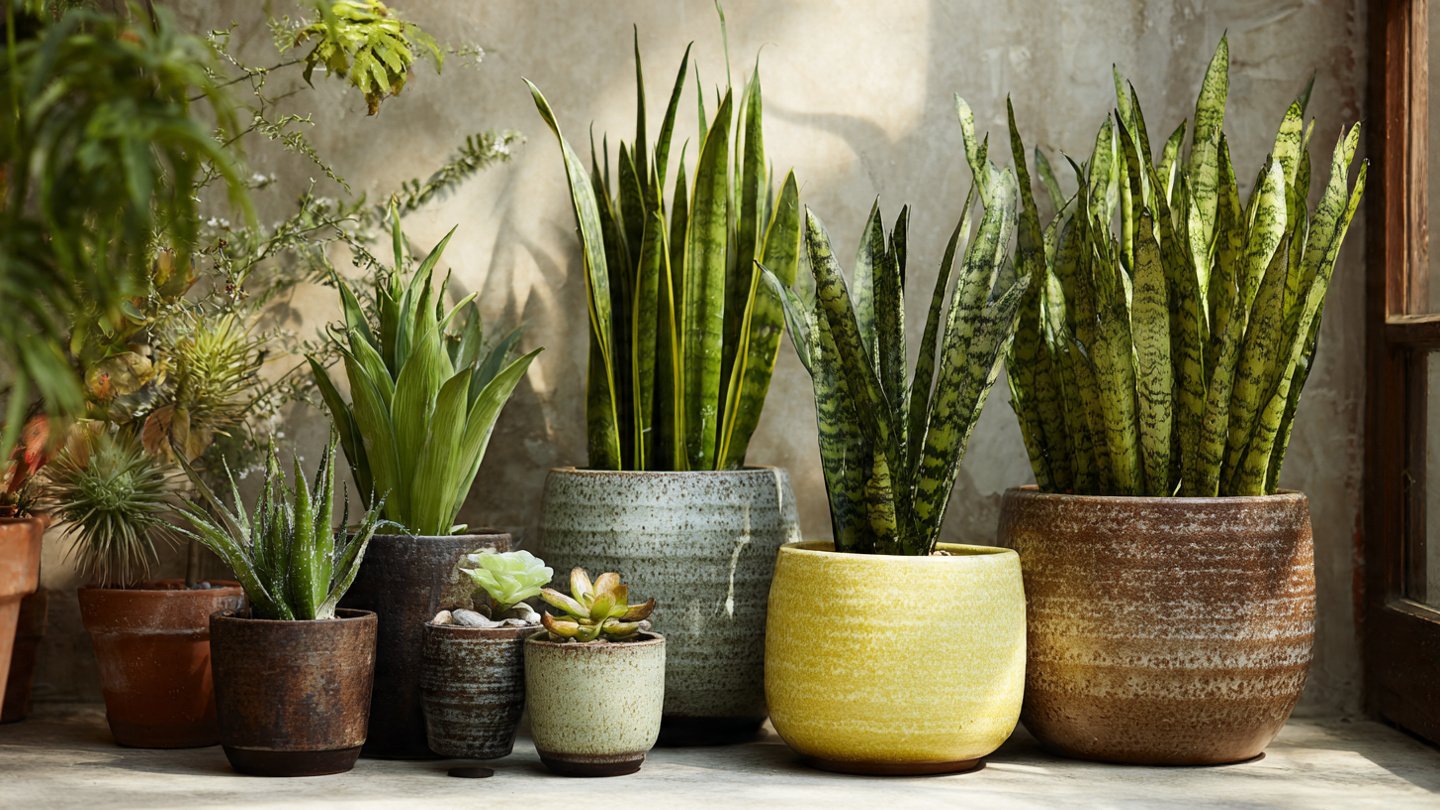
When it comes to enhancing the aesthetic appeal of your garden or outdoor space, the right plants can make all the difference. Among a myriad of options available, Sansevieria, commonly known as snake plants, stand out as a versatile and striking choice. Known for their architectural leaves and low-maintenance care, these plants provide instant curb appeal while offering numerous benefits that make them a favorite among gardening enthusiasts. This article will explore what makes Sansevieria an exceptional addition to your garden, how to incorporate them effectively, and address common questions about their care.
Why Choose Sansevieria?
1. Visual Appeal
Latest Posts
- A Comprehensive Guide to Successfully Growing Grape Vines in Your Backyard for Beginners and Experts Alike
- Best Tips for Successful Mango Growth in Containers
- Discover the Simple Steps for Successfully Growing Coriander in a Pot
- Discovering the Ultimate Guide to Growing African Violets from Leaf Cuttings
- Simple Techniques for Successfully Growing Seedless Grapes in Home Gardens
- Ultimate Guide to Growing Balsam Plants Naturally for Vibrant Blooms
- Discover the Secrets to Growing Lush Leek Leaves with Simple Hacks for Beginners
- How to Successfully Cultivate Sweet Cherries in the Unique Climate of Canada
- The Ultimate Guide to Successfully Growing Beautiful Succulent Garden Plants at Home
- A Comprehensive Guide to Growing Dhania from Seeds for Beginners
Sansevieria plants boast an impressive range of colors and patterns. Their tall, sword-like foliage comes in various hues, from vivid greens to striking yellows and whites. These eye-catching features not only serve as focal points in your garden but also complement other plants and flowers beautifully. Whether planted in groups or as standalone statements, Sansevieria can elevate the overall look of your outdoor space.
2. Drought-Resistant Nature
In many regions, maintaining a lush garden can be a challenging undertaking, especially during hot, dry spells. Sansevieria’s ability to thrive in low-water conditions makes them a smart choice for sustainable gardening. They are excellent at storing water in their leaves, allowing them to withstand periods of drought without losing their aesthetic appeal.
3. Air Purifying Qualities
Beyond their beauty, Sansevieria is known for their air-purifying properties. These plants absorb toxins such as formaldehyde, benzene, and xylene, making your home and garden not only more beautiful but also healthier. By adding them to your outdoor space, you create a safer environment for your family and pets.
4. Versatility in Design
Whether you have a modern, minimalist garden or a lush tropical paradise, Sansevieria fits seamlessly into any design theme. They can be planted in various settings, such as pots, borders, and hanging arrangements. Their architectural form works beautifully in contemporary landscapes, while their rugged nature suits rustic designs.

5. Low Maintenance Requirements
For those who may not have a green thumb or lead busy lives, Sansevieria offers a low-maintenance option that doesn’t skimp on visual impact. They require minimal watering, thrive in various light conditions, and are generally resistant to pests and diseases. This makes them an ideal choice for both novice gardeners and seasoned enthusiasts.
Incorporating Sansevieria into Your Garden Design
Now that we’ve established why Sansevieria is a fantastic plant for your outdoor space, let’s look at how you can incorporate them into your garden design effectively.
1. Create a Focal Point
Consider using Sansevieria as a focal point in your garden. Whether you choose a cluster of varying heights or a single, tall specimen, these plants naturally draw the eye. Position them at the entrance of your garden or as a centerpiece in a sitting area to elevate the overall aesthetic.
2. Layering Heights
To add depth to your garden design, layer Sansevieria plants with other flora of varying heights. Place shorter plants or flowers in front of taller Sansevieria for a visually appealing arrangement. This creates visual interest and intrigue while ensuring that each plant can shine.
3. Mixed Plantings
Combine Sansevieria with other plants for a striking contrast. Their rigid lines pair well with the soft textures of flowering plants like petunias or daisies. Consider creating a mixed arrangement in colorful pots or garden beds for a harmonious yet dynamic look.
4. Pathway Edging
Use Sansevieria to edge pathways or garden beds. Their upright growth habit and unique shapes create a neat and tidy appearance. Position them at intervals along paths to enhance the aesthetic while providing a sense of structure to your garden design.
5. Containers and Planters
If space is limited, consider using Sansevieria in decorative pots and planters. Their versatility allows them to thrive in various container styles, from modern fiberglass designs to rustic wooden barrels. Place them on patios, balconies, or alongside entranceways to make a strong visual impact.
6. Indoor-Outdoor Transition
Sansevieria can bridge indoor and outdoor spaces beautifully. If you have a container garden on your patio, consider bringing them indoors during colder months to create continuity between your home and garden. Their ability to thrive in low light also makes them perfect for brightening up indoor spaces.
7. Themed Gardens
Consider creating a themed garden around the Sansevieria’s native environments, such as a desert or tropical theme. Pair them with drought-tolerant succulents, cacti, or other drought-resistant plants for a cohesive look that celebrates their natural habitat.
Seasonal Care Tips for Sansevieria
Though Sansevieria is a low-maintenance plant, understanding their seasonal care can help ensure they thrive and maintain their beauty.
Spring
- Repot: Check for root-bound conditions and consider repotting if necessary.
- Fertilize: Begin fertilizing with a balanced, diluted fertilizer to promote growth.
Summer
- Watering: Increase watering slightly during the hot months but ensure the soil dries out between waterings.
- Pest Check: Regularly check for common pests and treat early if spotted.
Fall
- Pruning: Trim any damaged or yellowing leaves to promote new growth.
- Plan for Indoors: Prepare to bring containers indoors as the temperature drops.
Winter
- Light: Adjust indoor placement to ensure they receive adequate light during shorter days.
- Watering: Reduce watering frequency, as plants go dormant.
Conclusion
Incorporating Sansevieria into your garden design is a strategic decision that pays off with instant curb appeal and low maintenance. Their unique visual characteristics, combined with the benefits of air purification and drought resistance, make them a prized addition to any outdoor space. With various design applications and seasonal care tips at your disposal, elevating your garden aesthetic has never been simpler.
FAQs About Sansevieria
1. How often should I water my Sansevieria?
Sansevieria is drought-tolerant and typically requires watering every 2-6 weeks, depending on the season and humidity levels. Ensure the top inch of soil is dry before watering again.
2. What type of light is best for Sansevieria?
Sansevieria can thrive in various light conditions, from low light to bright, indirect sunlight. However, they prefer indirect light for optimal growth.
3. Can Sansevieria survive outside during winter?

In USDA zones 9-11, Sansevieria can survive outdoors year-round. In colder climates, it’s best to bring them indoors or protect them from frost.
4. Are Sansevieria plants safe for pets?
Sansevieria is mildly toxic to pets if ingested. Ensure your animals do not chew on the leaves, and consult a veterinarian if ingestion occurs.
5. Can I propagate Sansevieria at home?
Yes! Propagation can be done through leaf cuttings or division. Make sure to allow cuttings to callous over before planting them in soil.
By understanding the unique qualities of Sansevieria and how to care for them, you can transform your garden into a stunning visual sanctuary, enhancing both your home’s aesthetic and the environment. Don’t hesitate—start your Sansevieria journey today!