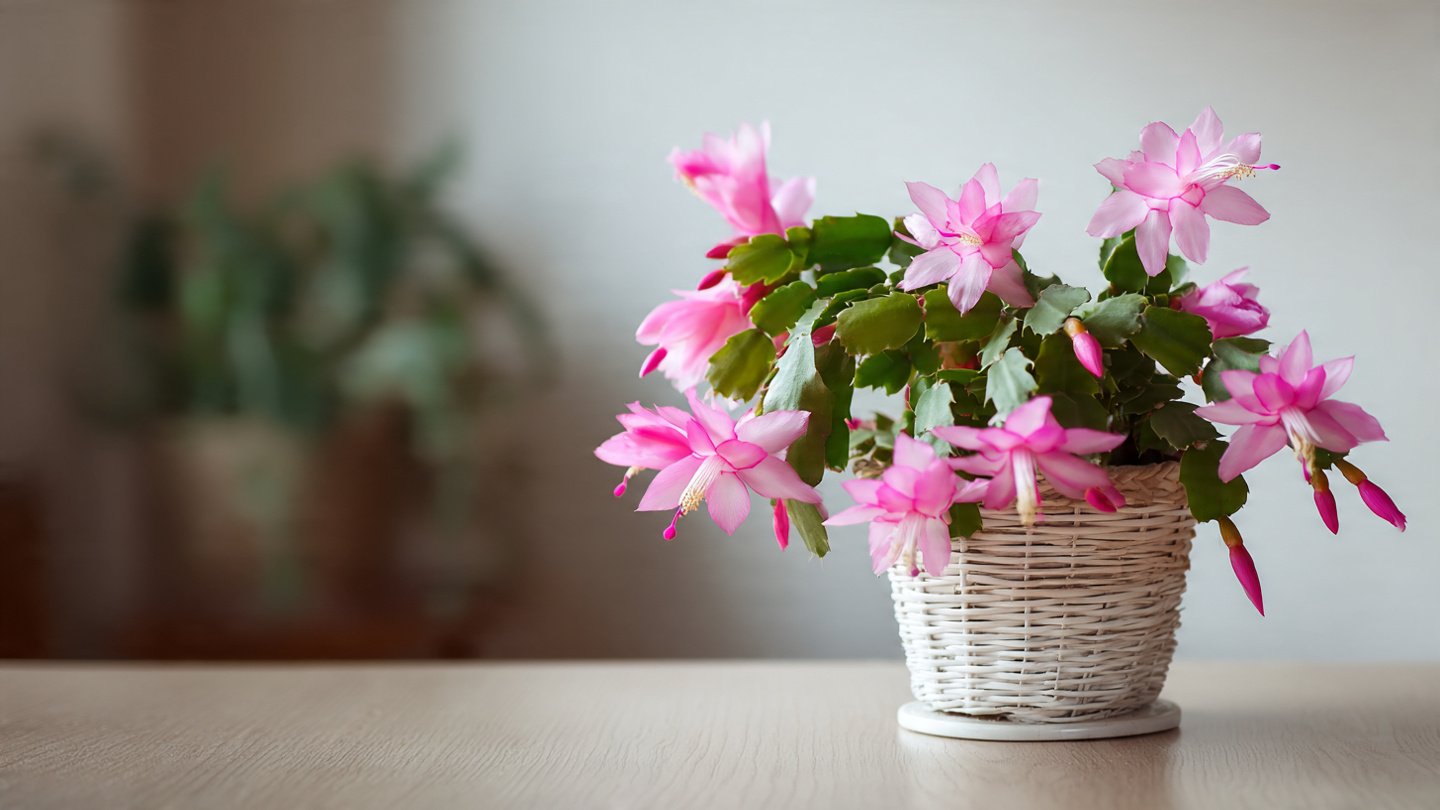
The Easter cactus (Hatiora gaertneri), often confused with its relatives, is a popular houseplant known for its stunning blooms, which typically appear in the spring around Easter. This unique plant, with its segmented stems and colorful flowers, adds a touch of vibrancy to any living space. In this guide, we’ll delve into everything you need to know about successfully growing an Easter cactus in your home.
Understanding the Easter Cactus
The Easter cactus is a member of the Cactaceae family, native to the tropical rainforests of Brazil. Unlike its prickly cousins, the Easter cactus has flat-stemmed, segmented leaves that are soft to the touch. The plant produces vivid pink, red, or white flowers that can last for several weeks, making it a delightful addition to your home décor, especially during spring.
Latest Posts
- A Comprehensive Guide to Successfully Growing Grape Vines in Your Backyard for Beginners and Experts Alike
- Best Tips for Successful Mango Growth in Containers
- Discover the Simple Steps for Successfully Growing Coriander in a Pot
- Discovering the Ultimate Guide to Growing African Violets from Leaf Cuttings
- Simple Techniques for Successfully Growing Seedless Grapes in Home Gardens
- Ultimate Guide to Growing Balsam Plants Naturally for Vibrant Blooms
- Discover the Secrets to Growing Lush Leek Leaves with Simple Hacks for Beginners
- How to Successfully Cultivate Sweet Cherries in the Unique Climate of Canada
- The Ultimate Guide to Successfully Growing Beautiful Succulent Garden Plants at Home
- A Comprehensive Guide to Growing Dhania from Seeds for Beginners
Distinguishing Features
- Leaf Structure: Segmented leaves that are flat rather than cylindrical.
- Flowers: Typically bloom during spring, with a wide range of colors.
- Growth Habit: Can grow to be about 12-18 inches tall and 10-24 inches wide, becoming bushy with age.
Growing Conditions
Light Requirements
Easter cacti prefer bright, indirect light. Direct sunlight can scorch the leaves, leading to a healthy-looking plant but inadequate blooming. Position your cactus near a window that filters light or use sheer curtains to diffuse sunlight.
Temperature and Humidity
These cacti thrive in temperatures ranging from 65°F to 80°F (18°C to 27°C) during the day. At night, reduce the temperature to about 55°F to 60°F (13°C to 16°C). Humidity is also crucial; aim for a humidity level of 40% to 60%. If your home is dry, consider using a humidifier or placing a tray of water near the plant to increase moisture levels.

Soil Requirements
Easter cacti require well-draining soil. A commercial cactus mix usually suffices, but you can create your own by mixing potting soil with sand or perlite in a 3:1 ratio. This mixture allows excess moisture to drain while providing the nutrients your cactus needs.
Potting
Choose a pot with drainage holes to prevent waterlogging. When potting your Easter cactus, ensure it’s not placed too deeply; the top of the root ball should be level with the soil surface. Consider repotting every two to three years to refresh the soil and allow for growth.
Watering
One of the most critical aspects of caring for an Easter cactus is getting the watering right. Here are some guidelines:
- Frequency: Water your cactus when the top 1-2 inches of soil feel dry. Generally, this means watering every two to three weeks in spring and summer and once a month during the fall and winter.
- Method: Water thoroughly until it drains out of the bottom. Avoid letting the plant sit in standing water.
Signs of Overwatering and Underwatering
-
Overwatering: Leaves become mushy, and the plant may develop root rot. If you notice this, reduce watering and check for drainage issues.
-
Underwatering: The leaves may shrivel and lose their turgidity. If this occurs, increase your watering routine gradually.

Fertilizing
Easter cacti benefit from fertilization during the growing season. Use a balanced, water-soluble fertilizer diluted to half strength every four to six weeks from spring through summer. Avoid fertilizing in fall and winter, as the plant enters a dormant period.
Pruning and Propagation
Pruning
To maintain the health and shape of your Easter cactus, light pruning can be beneficial. Here’s how:
- When to Prune: After blooming, typically in late spring.
- Method: Use clean, sharp scissors to carefully remove spent blooms and any dead or wilted segments. This encourages new growth and improves air circulation.
Propagation
Propagating your Easter cactus is an enjoyable way to expand your collection. Follow these steps for successful propagation:
- Cutting: Take a healthy segment from the main plant, about 2-4 inches long with at least three segments.
- Drying: Allow the cutting to dry for a few hours or overnight to form a callus over the cut end, which prevents rot when planted.
- Planting: Plant the cutting in a well-draining soil mix and keep the soil lightly moist until roots develop, usually taking a few weeks.

Common Problems
Easter cacti are generally resilient, but they can be susceptible to a few common issues.
Pests
- Mealybugs: These infiltrate leaf joints and can be removed with a cotton swab dipped in rubbing alcohol.
- Spider Mites: Characterized by fine webbing and yellowing leaves, they can be controlled with insecticidal soap.
Diseases
- Root Rot: Caused by overwatering and poor drainage. If detected, remove the plant from its pot, trim away affected roots, and repot in fresh soil.
- Fungal Infections: Can be a problem if airflow is restricted. Ensure your plant is adequately spaced and do not overwater.
Seasonal Care
Spring and Summer
During the growing season, keep your Easter cactus in bright, indirect sunlight. This is the optimal time for growth and blooming, so ensure adequate watering and fertilizing.

Fall
As the days shorten and temperatures drop, reduce watering and stop fertilizing. Move your cactus to a cooler location to simulate dormancy.
Winter
During winter, the Easter cactus requires minimal care. Keep it in a cool room, with less frequent watering. Monitor humidity and avoid exposure to freezing temperatures.
Conclusion
Successfully growing an Easter cactus in your living space can be immensely rewarding. With the right care, this unique plant will bring color and vitality to your home, particularly in spring. By following the guidelines outlined in this comprehensive guide, you can cultivate a thriving Easter cactus that will bloom beautifully year after year.
FAQs
1. How often should I water my Easter cactus?
Water your Easter cactus when the top 1-2 inches of soil feel dry, usually every two to three weeks during the growing season and monthly in winter.
2. When does the Easter cactus bloom?
The Easter cactus typically blooms in spring, around Easter time.
3. How can I encourage my Easter cactus to bloom?

To encourage blooming, provide adequate light, maintain proper temperature, and ensure a period of cooler temperatures at night before the blooming season.
4. Can I grow Easter cactus outside?
Easter cacti are best suited for indoor environments, but they can be placed outside in shaded, humid areas during the warmer months, ensuring they are protected from direct sunlight.
5. Why are the leaves on my Easter cactus turning yellow?
Yellowing leaves can be a sign of overwatering, underwatering, or pest infestation. Review your watering habits and inspect for pests to determine the cause.
6. Is the Easter cactus toxic to pets?
Easter cacti are considered non-toxic to cats and dogs, making them a safe choice for pet owners.
7. How long do Easter cactus flowers last?
Easter cactus flowers can last for several weeks, adding vibrant color to your home during their blooming period.
By understanding the needs of your Easter cactus and providing the right care, you can enjoy a flourishing and stunning addition to your indoor garden for years to come!