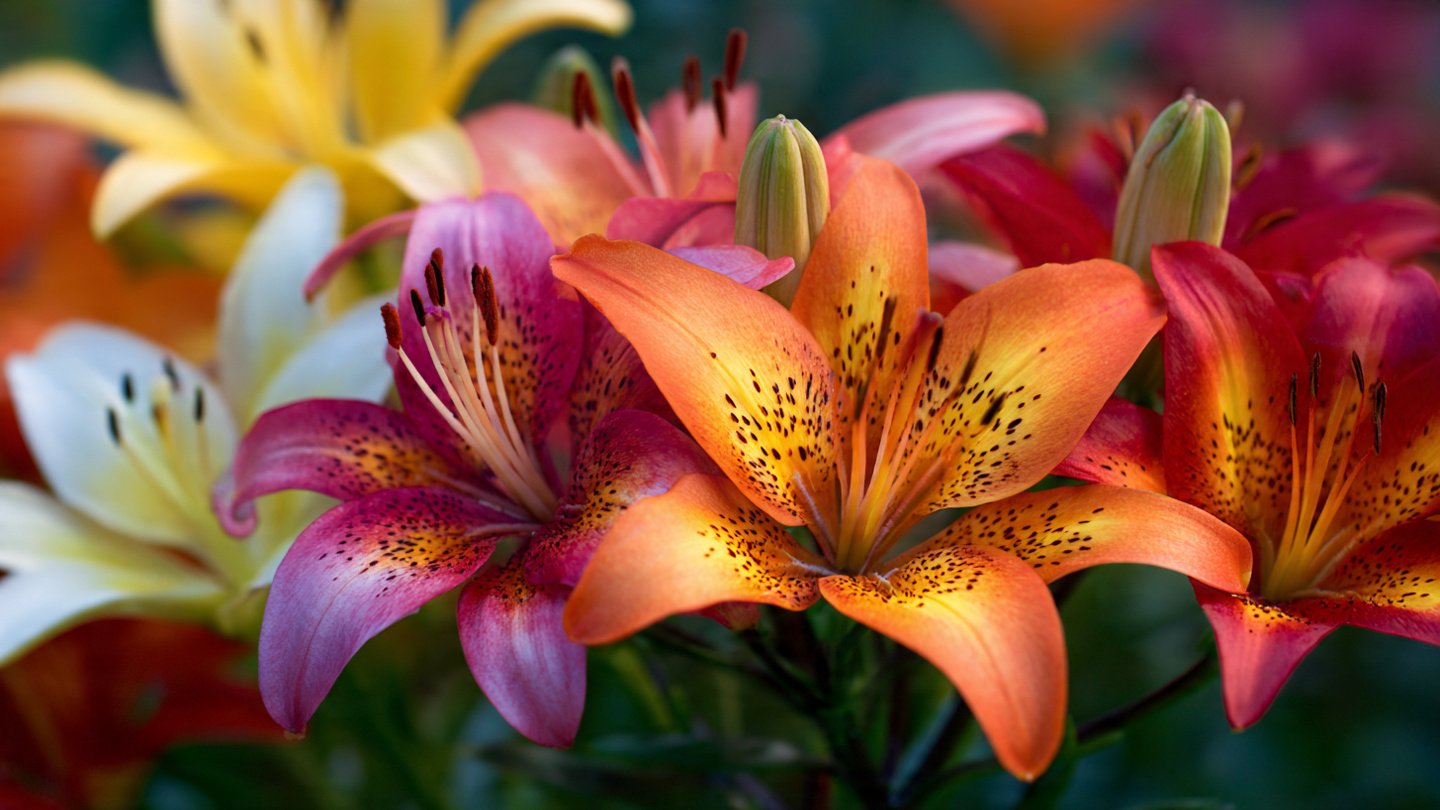
Lilies are one of the most stunning and diverse flowers that can bring a burst of color and elegance to any garden. With their magnificent blooms, enchanting fragrance, and variety of types, lilies are a favorite among gardeners worldwide. Growing lilies from bulbs can be a rewarding experience, but it requires some knowledge and proper care. This comprehensive guide will walk you through every step, from selecting bulbs to planting, caring for, and propagating these beautiful flowers.
Understanding Lilies
Before diving into the growing process, let’s familiarize ourselves with the different types of lilies and their needs. Lilies belong to the genus Lilium and are classified into various species and hybrids. The most popular types include:
Latest Posts
- A Comprehensive Guide to Successfully Growing Grape Vines in Your Backyard for Beginners and Experts Alike
- Best Tips for Successful Mango Growth in Containers
- Discover the Simple Steps for Successfully Growing Coriander in a Pot
- Discovering the Ultimate Guide to Growing African Violets from Leaf Cuttings
- Simple Techniques for Successfully Growing Seedless Grapes in Home Gardens
- Ultimate Guide to Growing Balsam Plants Naturally for Vibrant Blooms
- Discover the Secrets to Growing Lush Leek Leaves with Simple Hacks for Beginners
- How to Successfully Cultivate Sweet Cherries in the Unique Climate of Canada
- The Ultimate Guide to Successfully Growing Beautiful Succulent Garden Plants at Home
- A Comprehensive Guide to Growing Dhania from Seeds for Beginners
- Asiatic Lilies: Known for their bright colors and robust nature, they typically bloom in early summer.
- Oriental Lilies: Famous for their large, fragrant flowers, these bloom later in the summer.
- Trumpet Lilies: As the name suggests, these feature trumpet-shaped flowers and are known for their excellent fragrance and tall structure.
- Daylilies: Technically not true lilies, daylilies are resilient and can thrive in a variety of conditions.
Choosing the Right Bulbs
Quality Matters
When selecting lily bulbs, opt for high-quality bulbs from a reputable nursery or online supplier. Look for firm, plump bulbs without any signs of rot or damage. The size of the bulb is also essential; larger bulbs generally produce more robust plants and more blooms.
Choose the Right Variety
Consider your climate, garden style, and personal preferences when selecting lily varieties. Different lilies thrive in different environments, so check the hardiness zones for your area and choose accordingly.
Seasonal Timing

Purchase your bulbs in the fall for best results. Planting them in late summer to early fall allows them to establish roots before winter. In warmer climates, you may also plant in early spring.
Preparing the Planting Site
Location
Lilies prefer a location with full sun to partial shade. Aim for at least six hours of sunlight daily. Too much shade can lead to weak plants, while insufficient shade can scorch the foliage.
Soil Conditions
Lilies thrive in well-drained soil rich in organic matter. Before planting, test your soil pH, which should ideally be between 6.0 and 7.0. If your soil is too acidic or too alkaline, amend it accordingly with lime or sulfur.
Soil Preparation
Prepare the planting area by:
- Clearing debris: Remove any weeds, rocks, or old plants from the area.
- Loosening soil: Turn the soil to a depth of about 12 to 15 inches to help with drainage.
- Amending soil: Mix in compost or well-rotted manure to enrich the soil.
Planting Lilies
Timing for Planting
As mentioned, fall is the best time for planting lily bulbs. However, if you’re starting in spring, wait until the last frost has passed.

Depth and Spacing
Plant your bulbs approximately 6 to 8 inches deep, depending on their size. Space larger bulbs at least 12 inches apart, while smaller varieties can be spaced closer together.
Planting Instructions
- Dig a hole according to the depth discussed.
- Place the bulb upright in the hole, pointed end up.
- Cover the bulb with soil and water the area thoroughly to eliminate air pockets.
Caring for Your Lilies
Watering
Proper hydration is crucial for lily growth. Water them regularly, especially during dry spells. The soil should be moist but never soggy since lilies are susceptible to rot.
Fertilizing
Feed your lilies with a balanced fertilizer in early spring, before they start to bloom, and again right after blooming. A slow-release fertilizer works well. Just be careful not to over-fertilize, as this can harm the plants.
Mulching
Apply a layer of organic mulch around your lilies to help retain moisture, prevent weeds, and keep the soil temperature consistent. Use materials like straw, bark, or shredded leaves.

Pruning and Deadheading
After blooming, allow the foliage to die back naturally to help nourish the bulbs for next season. You can prune off any yellowed or brown leaves, but leave the green foliage intact until it dies back naturally.
Managing Pests and Diseases
Common Pests
Be vigilant about potential pests, including:
- Lily Beetles: These scarlet-colored pests can strip leaves quickly. Hand-pick them when possible and use insecticidal soap if infestations occur.
- Aphids: Small and sap-sucking, aphids can cluster on flower buds and leaves. Regular washing with water can keep their numbers down.
Diseases
Lilies are prone to diseases such as botrytis blight and lily mosaic virus.
- Botrytis Blight: This fungal disease can cause a gray mold on flowers and leaves. Ensure good air circulation and remove any diseased parts.
- Lily Mosaic Virus: Look for mottled leaves and stunted growth. There’s no cure, so it’s best to remove infected plants immediately.
Propagating Lilies
Lilies can be propagated by seed or by division. While growing from seed can be rewarding, it can also take years before they bloom. Dividing bulbs is the preferred method for quicker results.

Division Steps
- Timing: Wait until fall after blooming or in early spring before new growth starts.
- Digging Up Bulbs: Carefully dig around the bulbs, ensuring minimal damage.
- Separating Bulbs: Gently separate the bulbs. Each should have some roots attached.
- Replanting: Plant the separated bulbs immediately or store them in a cool, dry place temporarily.
Seasonal Care
Fall
As the season changes, deadhead spent blooms and prepare the plants for winter by cutting back foliage. Apply a layer of mulch to protect bulbs during freezing temperatures.
Winter
In colder climates, consider adding extra mulch to insulate the bulbs. In warmer zones, the mulch can help retain moisture.
Spring
As the weather warms, monitor new growth closely. Remove mulch carefully to allow for new shoots, and continue your regular watering and fertilization schedule.
Frequently Asked Questions (FAQs)
Q1: How long do lilies bloom?
A: The blooming period for lilies typically lasts 2 to 4 weeks, depending on the variety.

Q2: Can lilies be grown in containers?
A: Yes, lilies can thrive in containers as long as they have enough depth for their roots and a good drainage system.
Q3: Why are my lilies not blooming?
A: Possible reasons include insufficient sunlight, poor soil quality, or overcrowding. Ensure they have adequate water and nutrients.
Q4: How can I make my lilies last longer in a vase?
A: Cut the stems at an angle, remove leaves below the water line, and change the water regularly.
Q5: What should I do if I notice my lily leaves turning yellow?
A: Yellowing leaves can indicate overwatering, underwatering, or nutrient deficiency. Evaluate your watering schedule and soil conditions.
Q6: Do lilies come back every year?
A: Yes, if properly cared for, lily bulbs will perennialize and return year after year.
Q7: Are lilies toxic to pets?
A: Yes, many lily varieties are toxic to cats and can cause severe reactions. Keep them out of reach of pets.
Conclusion
Growing beautiful lilies from bulbs can transform your garden into a vibrant, fragrant sanctuary. With the right preparation, care, and knowledge, you can cultivate these stunning flowers and enjoy their beauty year after year. Whether you choose to plant in your garden or containers, start this rewarding journey and watch your lilies bloom! Happy gardening!