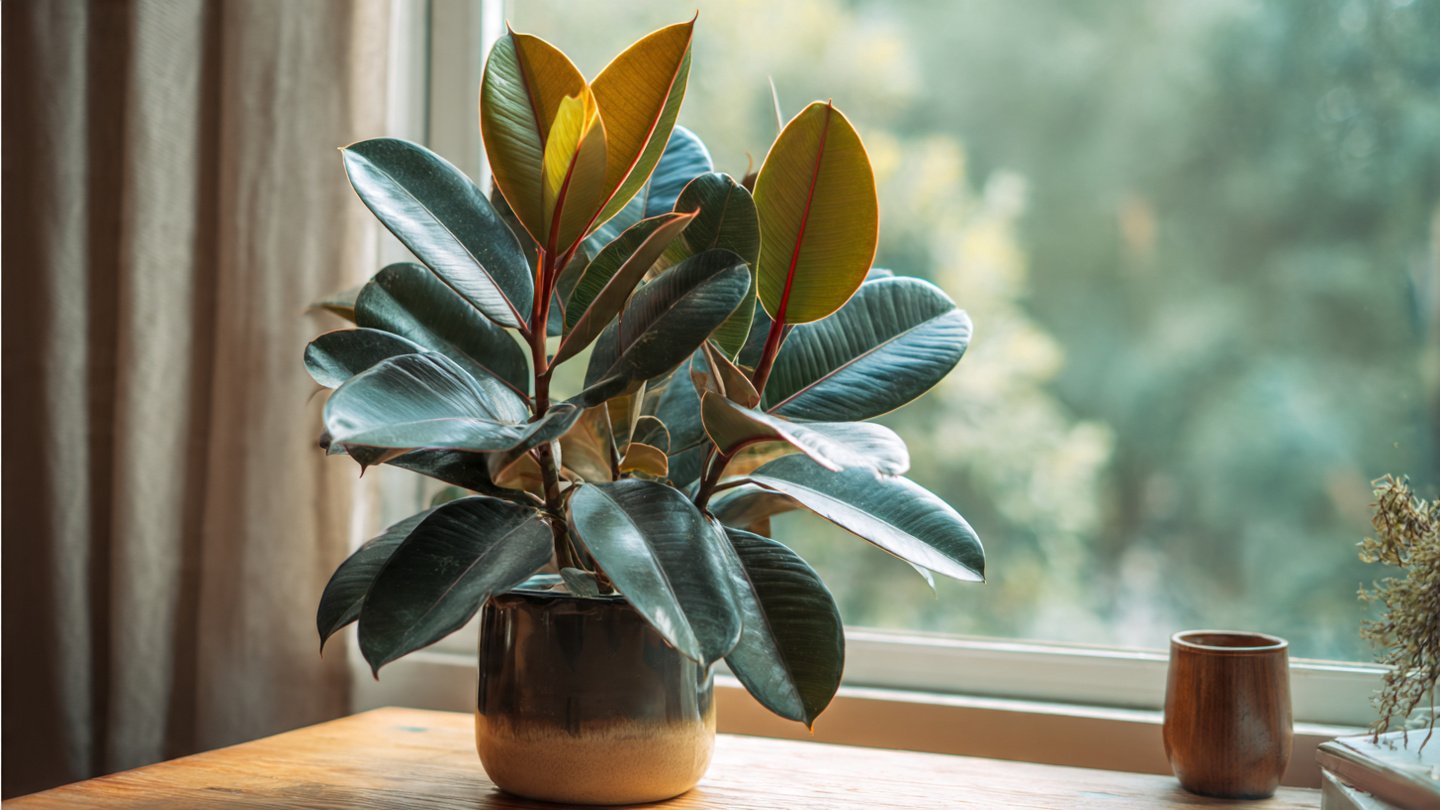
The rubber plant, scientifically known as Ficus elastica, is cherished for its beautiful glossy leaves and adaptability, making it a popular choice among indoor gardeners. Whether you’re a novice or an experienced gardener, propagating a rubber plant from cuttings is an achievable and rewarding task. This comprehensive guide will walk you through every step of the process—from selecting the right cuttings to nurturing your new plant to health.
Why Propagate Rubber Plants?
Before diving into the how-tos, it’s worth understanding why you might want to propagate a rubber plant:
Latest Posts
- A Comprehensive Guide to Successfully Growing Grape Vines in Your Backyard for Beginners and Experts Alike
- Best Tips for Successful Mango Growth in Containers
- Discover the Simple Steps for Successfully Growing Coriander in a Pot
- Discovering the Ultimate Guide to Growing African Violets from Leaf Cuttings
- Simple Techniques for Successfully Growing Seedless Grapes in Home Gardens
- Ultimate Guide to Growing Balsam Plants Naturally for Vibrant Blooms
- Discover the Secrets to Growing Lush Leek Leaves with Simple Hacks for Beginners
- How to Successfully Cultivate Sweet Cherries in the Unique Climate of Canada
- The Ultimate Guide to Successfully Growing Beautiful Succulent Garden Plants at Home
- A Comprehensive Guide to Growing Dhania from Seeds for Beginners
- Cost-Effectiveness: Instead of purchasing new plants, you can create your own from existing ones.
- Customization: You can choose specific varieties or sizes that fit your home decor.
- Sharing: Growing rubber plants from cuttings is a wonderful way to share with friends and family.
- Fun Project: It’s a fulfilling gardening project that teaches patience and care.
Choosing the Right Cutting
The first step to successful propagation is selecting the right cutting from an existing rubber plant. Here’s how to do it:
-
Select a Healthy Plant: Choose a vibrant and healthy rubber plant. Look for signs of vitality such as firm leaves with no brown tips.
-
Choose the Right Stem: Look for a stem that has at least 1-2 leaves. Ideally, go for a stem that is at least 6 inches long and contains a few nodes (small bumps on the stem where leaves emerge).
-
Cut with Care: Use a clean, sharp knife or shears to make your cut just below a node to ensure the cutting has access to nutrients as it grows.

-
Timing: The best time to take cuttings is during the spring or early summer when the plant is actively growing.
Preparing the Cuttings
Steps for Preparation
-
Remove Lower Leaves: Strip the lower leaves off the cutting, leaving just one or two at the top. This helps focus the plant’s energy on rooting.
-
Allow to Callous: After making your cut, let the cutting sit in a dry, warm place for a few hours or up to a day. This allows the cut end to callous, which can help prevent rot.
-
Optional: Use Rooting Hormone: While it’s not necessary, dipping the cut end in rooting hormone can increase the chances of successful rooting.
Choosing the Right Medium
Rubber plant cuttings thrive in well-draining mediums. Here are some ideal options:
-
Soil Mixture: A mix of peat moss, perlite, and orchid bark makes for an excellent medium. This will retain moisture while allowing excess water to drain away.
-
Water Propagation: Some gardeners prefer to propagate in water. Simply place the cutting in a jar of water, ensuring that at least one node is submerged. Remember to change the water weekly to prevent stagnation.

Planting the Cuttings
In Soil
-
Plant the Cutting: Make a small hole in your prepared potting soil and gently insert the cutting. Firm the soil around it to provide stability.
-
Watering: Water the soil lightly and ensure that it is moist but not soggy. Excess water can lead to rot.
-
Humidity: Rubber plant cuttings thrive in a humid environment. You can cover the pot with a plastic bag or place it in a propagator to create a greenhouse effect. Just ensure there’s some airflow to prevent mold.
In Water
-
Placement: If you’re propagating in water, place the jar in a spot that receives indirect sunlight.
-
Light Conditions: Avoid direct sunlight, as it can overheat the cutting and cause damage.
Caring for Rubber Plant Cuttings
-
Light Requirements: Rubber plant cuttings prefer bright, indirect light. Too much direct sunlight can scorch the leaves, while too little light will slow down the rooting process.
-
Watering: Keep the soil consistently moist, but never waterlogged. When propagating in water, roots will begin to emerge after a few weeks.

-
Temperature: Rubber plants prefer temperatures between 60°F to 75°F (15°C to 24°C). Avoid placing them near drafts or heating vents.
-
Fertilizing: Wait until the cutting has rooted and new growth appears before applying any fertilizer. You can use a balanced, diluted liquid fertilizer once every 4-6 weeks during the growing season.
-
Monitoring for Pests: Keep an eye out for pests like spider mites or mealybugs. If you notice any, treat the plant with insecticidal soap or neem oil.
Transplanting Rooted Cuttings
Once your rubber plant cutting has developed roots (this can take a few weeks to a few months, depending on conditions), it’s time to transplant it into a larger pot:
-
Choose the Right Pot: Select a pot that is slightly larger than the current one and has drainage holes.
-
Prepare the Soil: Use a fresh potting mix similar to what you used for propagation.
-
Transplant Carefully: Gently remove the cutting from its propagation medium and place it in the new pot, filling in with soil around the base.
-
Water Thoroughly: After transplanting, water the soil to settle it and provide moisture to the roots.
-
Care Post-Transplant: Continue to care for the plant with proper watering and light conditions. It may need some time to adjust after being moved.

Troubleshooting Common Issues
-
Yellowing Leaves: This may indicate overwatering or poor drainage. Check the soil moisture and drainage holes.
-
Leggy Growth: If the plant is stretching towards the light, it may need more bright, indirect light.
-
Root Rot: Signs include mushy stems or leaves. If you notice these signs, remove the cutting from its medium, trim away the rotten parts, let it callous again, and replant in fresh soil.
-
Failure to Root: If the cutting doesn’t root after months, it might be due to insufficient humidity, light, or water. Adjust conditions accordingly.
FAQs
1. How long does it take for a rubber plant cutting to root?
Rooting can take anywhere from 2 to 8 weeks, depending on factors such as temperature, humidity, and light conditions.
2. Can I propagate a rubber plant in water?
Yes, rubber plant cuttings can be propagated in water. Ensure at least one node is submerged and change the water weekly.
3. Should I cover my cutting with plastic?
Covering cuttings with a plastic bag can help maintain humidity. Just ensure there’s airflow to prevent mold.

4. How do I know if my cutting is rooted?
You’ll see new growth emerging, and if in water, you’ll notice roots forming. Give it time; patience is key!
5. Can I propagate a rubber plant during any season?
While it’s possible to propagate at any time, spring and early summer are optimal since the plant is actively growing.
6. What should I do if my cutting has brown tips?
Brown tips may indicate under-watering or low humidity. Ensure you’re watering adequately and consider increasing humidity around the plant.
7. Can I use regular potting soil for propagation?
While regular potting soil can work, it’s best to use a well-draining mix to prevent rot.
Conclusion
Growing a rubber plant from cuttings is a gratifying experience that can enhance your home while giving you a sense of accomplishment. Whether you’re propagating for yourself or sharing with others, the joy of watching new growth emerge is unparalleled. With this ultimate guide, you’re well-equipped to make your propagation journey a success. Happy gardening!