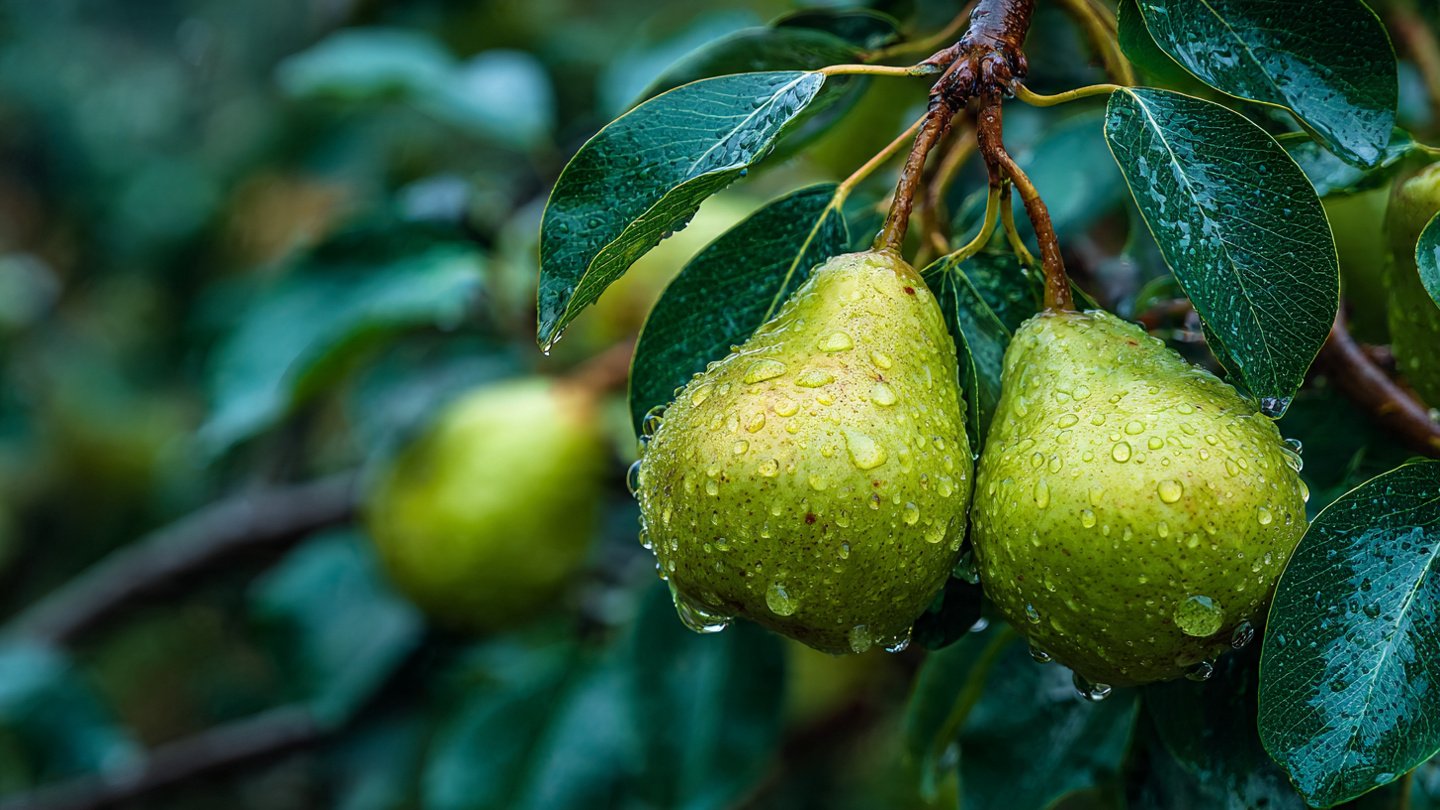
Growing pear trees at home can be an incredibly rewarding experience. Not only do they provide shade and beauty to your garden, but they also yield delicious, homegrown fruit that is perfect for snacking, baking, or preserves. This guide will cover everything you need to know about growing pear trees, from selection to maintenance, harvesting, and common FAQs.
Choosing the Right Pear Tree Variety
1. Common Types of Pear Trees
Latest Posts
- A Comprehensive Guide to Successfully Growing Grape Vines in Your Backyard for Beginners and Experts Alike
- Best Tips for Successful Mango Growth in Containers
- Discover the Simple Steps for Successfully Growing Coriander in a Pot
- Discovering the Ultimate Guide to Growing African Violets from Leaf Cuttings
- Simple Techniques for Successfully Growing Seedless Grapes in Home Gardens
- Ultimate Guide to Growing Balsam Plants Naturally for Vibrant Blooms
- Discover the Secrets to Growing Lush Leek Leaves with Simple Hacks for Beginners
- How to Successfully Cultivate Sweet Cherries in the Unique Climate of Canada
- The Ultimate Guide to Successfully Growing Beautiful Succulent Garden Plants at Home
- A Comprehensive Guide to Growing Dhania from Seeds for Beginners
There are two primary categories of pear trees: European (Pyrus communis) and Asian (Pyrus pyrifolia). Each type has unique characteristics that may influence your choice.
-
European Pears: These are the most commonly grown varieties in the U.S. Some popular types include:
- Bartlett: Sweet and juicy, great for canning.
- Bosc: Brown-skinned with a firm texture, excellent for baking.
- Anjou: Smooth-skinned, both green and red varieties available.
-
Asian Pears: Often round and crisp, similar to apples. They are less sensitive to diseases than European types. Popular varieties include:
- Shinsui: Sweet with a soft texture.
- Korean Giant: Large, crisp, and excellent for fresh eating.
2. Considerations for Choosing a Variety
When selecting a pear tree, consider the following:
- Climate: Assess your USDA hardiness zone to select a variety that thrives in your temperature range.
- Space: Some pear trees can grow very large, while others are more compact. Space is key!
- Pollination: Many pear trees are not self-pollinating. Be sure to plant compatible varieties for better yields.
Preparing the Planting Site
1. Site Selection
Choose a location with plenty of sunlight (at least 6 hours per day), good air circulation, and well-drained soil. Avoid areas where water tends to pool after rains and steer clear of overly shaded spots.
2. Soil Preparation
- Soil Type: Pear trees prefer sandy loam soil that is rich in organic matter. Aim for a pH level between 6.0 and 7.5.
- Drainage: If your soil is heavy clay, consider amending it with compost or planting on a slight mound to improve drainage.
- Testing Soil: Conduct a soil test to know your soil’s nutrient content and pH level. This will help in making informed amendments.
3. Planting
- Planting Time: Early spring or late fall when the tree is dormant is ideal for planting.
- Spacing: Space standard-sized trees about 20 feet apart, while dwarf varieties can be closer at 10 to 15 feet.
- Hole Preparation: Dig a hole that is twice as wide and just as deep as the root ball. Loosen the soil at the bottom to encourage root growth.
Planting Your Pear Tree
1. Steps for Planting
-
Remove the Tree from its Container: Gently squeeze the sides of the pot to loosen roots. If roots are circling, prune them lightly.
-
Place the Tree in the Hole: Position the tree so that its graft union (swelling on the trunk) is above the soil level. This is crucial for the tree’s health.
-
Backfill the Hole: Fill in with soil, ensuring there are no air pockets by gently firming the soil around the roots.
-
Watering: Water thoroughly after planting to help settle the soil around the roots.
2. Mulching
Adding a layer of organic mulch around the base of the tree can help retain moisture, suppress weeds, and improve the soil as it breaks down. Keep the mulch a few inches away from the trunk to avoid rot.
Care and Maintenance
1. Watering
Keep the soil evenly moist, especially during dry spells. Young trees require more frequent watering, while mature trees are more drought-tolerant.
2. Fertilizing
- Initial Year: Use a balanced fertilizer in early spring, following the recommended rates based on your soil test.
- Subsequent Years: After the first year, you can use a lower-nitrogen fertilizer for continued growth and fruiting.
3. Pruning
Pruning is essential for maintaining the tree’s shape, improving air circulation, and promoting fruit production.
- Timing: Late winter to early spring is ideal.
- Technique: Remove dead wood, crossing branches, and any suckers growing from the base.
4. Pest and Disease Management
Common pests affecting pear trees include aphids, codling moths, and pear psylla. Regular monitoring is vital. Some natural or chemical treatments can help when infestations occur.
Diseases such as fire blight and powdery mildew may also affect pear trees. Choose resistant varieties when possible and follow best practices for watering and pruning to minimize risks.

Harvesting Pears
1. Timing
Pears do not ripen well on the tree. Most varieties should be harvested while still firm—generally a few weeks before they are fully ripe. Look for a little give when you press near the stem.
2. Storing
After harvesting, pears can be ripened at room temperature. To slow ripening, store them in the refrigerator. They are typically best consumed fresh but can also be canned, sliced, or made into jam.
Frequently Asked Questions (FAQs)
1. What is the best time to plant pear trees?
Plant pear trees in early spring or late fall when they are dormant.
2. How long does it take for a pear tree to bear fruit?
Most pear trees take about 3 to 6 years to produce fruit after planting.
3. Do pear trees need a pollinator?
Many pear varieties require cross-pollination with another compatible variety to produce fruit, so it’s advisable to plant at least two different types.
4. How do I know when my pears are ripe?
Pears should be harvested while still firm and a little noticeable give around the stem indicates they’re ready to pick. They will soften during storage.
5. How often should I water my pear tree?
Water young trees regularly, especially during dry spells. Mature trees are more drought-resistant but will still benefit from regular watering.
6. What kind of fertilizer should I use for pear trees?
Use a balanced fertilizer in early spring. Amend based on your soil test results for optimal growth.
7. How can I protect my pear tree from pests?
Regular monitoring is key. Use traps or organic insecticides for common pests and follow good cultural practices to minimize disease risks.
8. Can I grow pear trees in containers?
Yes, dwarf varieties can be successfully grown in containers. Ensure adequate drainage and regular watering to keep soil consistently moist.
Conclusion
Growing pear trees at home is not only a delightful hobby but also an investment in your garden’s beauty and productivity. With the right care and attention, you can enjoy fresh, delicious pears from your own backyard. Follow the guidelines in this ultimate guide, and you’ll be on your way to cultivating a thriving pear tree in your garden. Happy planting!