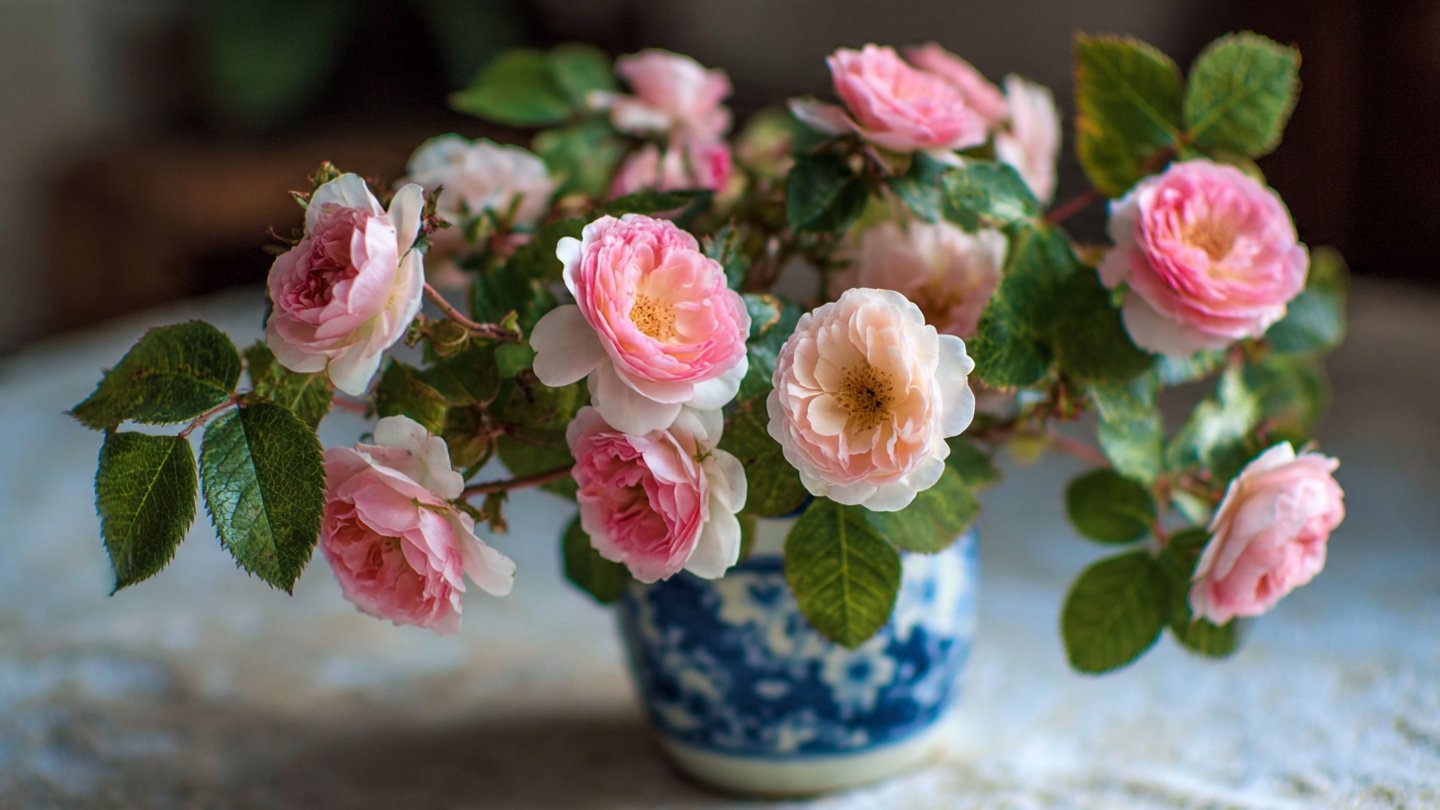
Mini roses, also known as miniature or patio roses, are a delightful addition to any indoor space. With their vibrant colors, sweet fragrance, and charming appearance, these petite blooms can brighten up your home. Whether you are an experienced gardener or a novice plant parent, growing mini roses indoors can be a rewarding endeavor. This guide will provide you with all the information you need to successfully cultivate these beauties year-round.
Understanding Mini Roses
What Are Mini Roses?
Latest Posts
- A Comprehensive Guide to Successfully Growing Grape Vines in Your Backyard for Beginners and Experts Alike
- Best Tips for Successful Mango Growth in Containers
- Discover the Simple Steps for Successfully Growing Coriander in a Pot
- Discovering the Ultimate Guide to Growing African Violets from Leaf Cuttings
- Simple Techniques for Successfully Growing Seedless Grapes in Home Gardens
- Ultimate Guide to Growing Balsam Plants Naturally for Vibrant Blooms
- Discover the Secrets to Growing Lush Leek Leaves with Simple Hacks for Beginners
- How to Successfully Cultivate Sweet Cherries in the Unique Climate of Canada
- The Ultimate Guide to Successfully Growing Beautiful Succulent Garden Plants at Home
- A Comprehensive Guide to Growing Dhania from Seeds for Beginners
Mini roses are a smaller variety of traditional roses, usually not exceeding 18 inches in height. They come in various colors and types, from single blooms to fully blossomed clusters. Despite their small size, they possess the same stunning characteristics as larger rose varieties, including scent, beauty, and even some disease resistance.
Characteristics of Mini Roses
- Size: Generally range from 6 to 18 inches in height.
- Variety: Available in various colors including red, pink, yellow, and white.
- Fragrance: Many have a sweet scent, enhancing their appeal.
- Foliage: Features glossy green leaves, providing an attractive contrast to the colorful blooms.
Choosing the Right Mini Rose
Factors to Consider
- Variety: Look for your preferred color and growth habits. Some varieties are bred for specific traits like hardiness or fragrance.
- Health: Choose plants with no signs of disease, such as yellowing leaves or wilting petals.
- Growing Conditions: Consider the amount of light available in your indoor space.
Popular Varieties for Indoor Growth
- Baby Simplicity: A compact plant producing bright yellow flowers.
- Starina: A mini rose that blooms in pink and white.
- Sweet Chariot: A fragrant variety with clusters of small flowers.

Growing Mini Roses Indoors
1. Selecting the Right Pot
Proper drainage is crucial for mini roses. Choose pots with drainage holes to prevent waterlogging. Terracotta pots are ideal as they allow for air exchange, but plastic pots are lightweight and easy to manage.
2. Soil Requirements
A well-draining potting mix is essential. Look for a soil blend designed for roses or make your own by combining:
- 1 part peat moss
- 1 part compost
- 1 part perlite or sand
3. Light Requirements
Mini roses thrive with plenty of sunlight. Ideally, they need at least 6 hours of direct light each day:
- Ideal Locations: Near south or west-facing windows.
- Supplemental Lighting: If natural light is insufficient, consider using grow lights.
4. Watering
Keeping your mini roses hydrated is crucial, but overwatering can lead to root rot. Here’s how to water effectively:

- Frequency: Water when the top inch of soil feels dry.
- Method: Water thoroughly, allowing excess to drain out the bottom.
5. Fertilization
To encourage growth and blooming, use a balanced liquid fertilizer every few weeks during the growing season (spring to early fall):
- Dilution: Follow the package instructions to avoid burning the roots.
6. Temperature and Humidity
Mini roses prefer moderate temperatures (65°F to 75°F) and high humidity. To maintain humidity levels indoors:
- Methods: Use a humidifier, mist the leaves, or place a tray of water near the plants.
7. Pruning
Pruning not only keeps your mini roses looking neat but also encourages healthier growth. Follow these steps:
- Timing: Prune after the blooming season or in early spring.
- Technique: Remove dead or yellowing leaves and trim back old blooms to promote new growth.
8. Pest Management
While mini roses are relatively hardy, they can be susceptible to pests like aphids and spider mites. Monitor your plants regularly:

- Prevention: Keep indoor plants clean by wiping leaves.
- Treatment: Use insecticidal soap or neem oil for infestations.
Creating the Perfect Environment
Light Setup
If you lack sufficient natural light, consider investing in grow lights. Position them about 6-12 inches above the plants, and leave them on for around 12-16 hours daily.
Humidity Maintenance
Indoor environments can be dry, so keep an eye on humidity levels. Pebble trays can help create a microclimate. Fill a tray with water and place it under the pots for a more humid environment.
Seasonal Care
Understanding how to care for mini roses during different seasons will help them thrive:
- Spring and Summer: Focus on watering, feeding, and ensuring they receive enough light.
- Fall and Winter: Reduce watering, as growth slows down, but keep them in a warm and bright environment.
Blooming and Re-Blooming
Encouraging Blooms
To trigger blooming, ensure your mini roses receive adequate light and nutrients. Deadheading (removing spent blooms) encourages the growth of new flowers.
Troubleshooting
- No Blooms: Insufficient light or nutrients can hinder blooming.
- Wilting Flowers: Check for pests or diseases, and ensure proper watering.

Common Issues and Solutions
Yellow Leaves
- Cause: Overwatering or nutrient deficiency.
- Solution: Adjust watering habits and fertilize appropriately.
Fading Color
- Cause: Lack of light.
- Solution: Move closer to a light source or supplement with grow lights.
Pest Infestations
- Action: Regularly check your mini roses for pests. Introduce beneficial insects or use pest-resistant varieties if necessary.
FAQs (Frequently Asked Questions)
Q1: How often should I water my mini roses?
A1: Water when the top inch of the soil feels dry. Typically, this is every 5 to 7 days, but it can vary depending on your home environment.
Q2: Can I grow mini roses in low light?
A2: While mini roses prefer bright light, you can grow them in low light with the help of grow lights, but they might not bloom as profusely.
Q3: Do mini roses require a lot of maintenance?

A3: Mini roses are relatively easy to care for but need regular watering, pruning, and pest management to thrive.
Q4: How can I tell if my mini rose is overwatered?
A4: Signs of overwatering include yellowing leaves, wilting despite moist soil, and a foul smell from the roots.
Q5: Can I keep mini roses outside during summer?
A5: Yes, mini roses can thrive outdoors during the summer if kept in a shaded area. Gradually acclimate them to the outdoor conditions.
Q6: Do mini roses bloom continuously?
A6: Mini roses have a blooming season and may require deadheading and proper care to encourage reblooming throughout the growing season.
Q7: How do I propagate mini roses?
A7: You can propagate mini roses by taking cuttings. Use a sharp blade to take a healthy stem cutting and place it in soil or water until roots develop.
Q8: Are there any indoor-adapted diseases I should be aware of?
A8: Yes, look out for powdery mildew and black spot. Maintain ventilation and avoid overhead watering to prevent these issues.
Conclusion
Growing mini roses indoors can transform your space into a vibrant oasis of color and fragrance. By providing the right care and conditions, these charming plants can thrive year-round, delivering beauty and joy. Whether decorating your home or gifting a loved one, mini roses are a splendid choice for any occasion. Follow this guide, and you’ll be well on your way to becoming a successful indoor rose gardener!