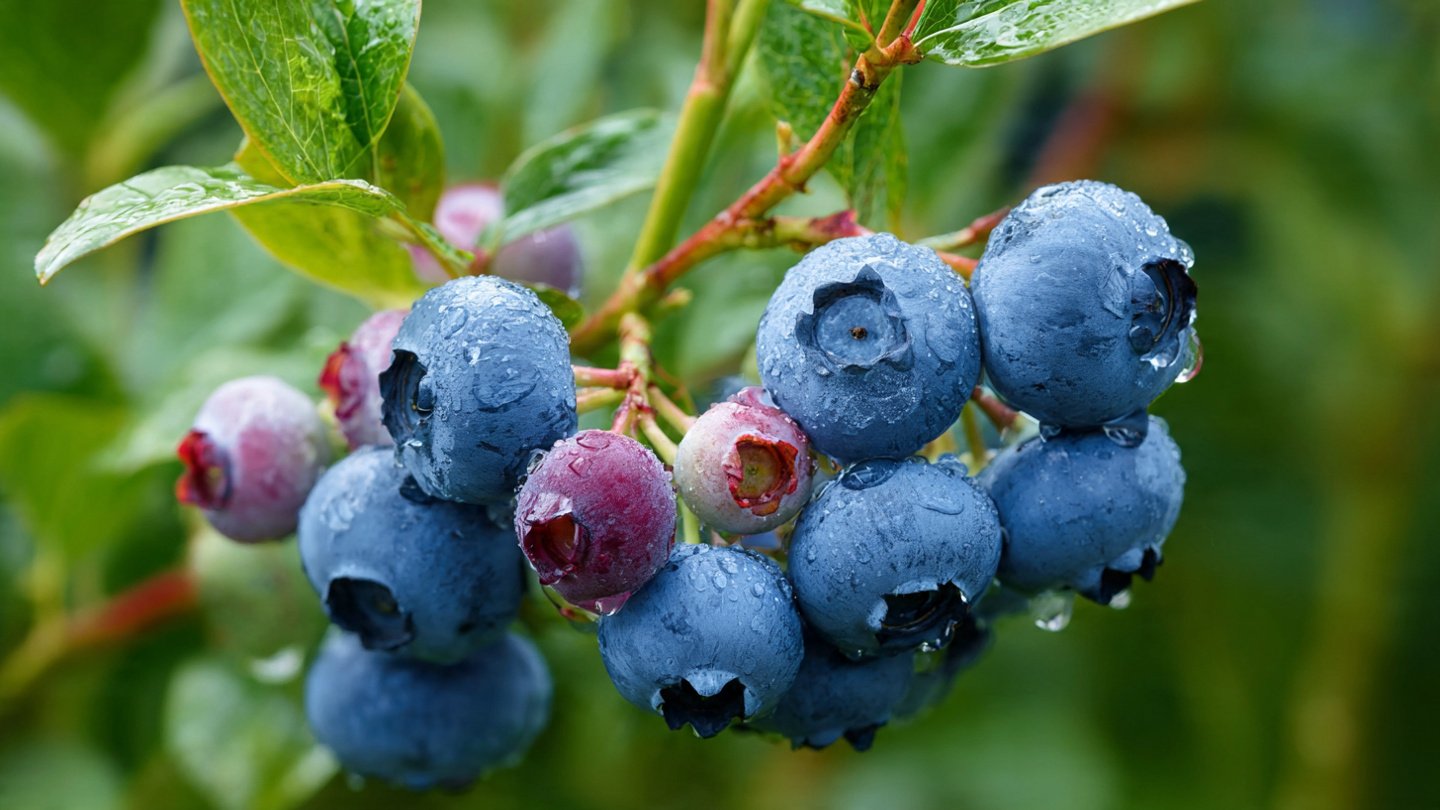
Lowbush blueberries (Vaccinium angustifolium) are a delightful addition to any backyard garden. Known for their sweet berries, these hardy plants offer not just fruit but also beautiful foliage, making them an attractive option for both edible gardens and ornamental landscapes. If you’re interested in cultivating these resilient shrubs, this guide will walk you through everything you need to know for successful growth, from soil requirements to harvesting techniques.
Understanding Lowbush Blueberries
What Are Lowbush Blueberries?
Latest Posts
- A Comprehensive Guide to Successfully Growing Grape Vines in Your Backyard for Beginners and Experts Alike
- Best Tips for Successful Mango Growth in Containers
- Discover the Simple Steps for Successfully Growing Coriander in a Pot
- Discovering the Ultimate Guide to Growing African Violets from Leaf Cuttings
- Simple Techniques for Successfully Growing Seedless Grapes in Home Gardens
- Ultimate Guide to Growing Balsam Plants Naturally for Vibrant Blooms
- Discover the Secrets to Growing Lush Leek Leaves with Simple Hacks for Beginners
- How to Successfully Cultivate Sweet Cherries in the Unique Climate of Canada
- The Ultimate Guide to Successfully Growing Beautiful Succulent Garden Plants at Home
- A Comprehensive Guide to Growing Dhania from Seeds for Beginners
Lowbush blueberries are native to North America, particularly thriving in cooler climates. Unlike their highbush counterparts, which can reach heights of 6 feet or more, lowbush blueberries generally grow to about 1 to 2 feet. Their small stature makes them ideal for gardens with limited space, as well as for containers and raised beds.
Varieties
There are several cultivars of lowbush blueberries, each producing unique flavors and textures. Some of the most popular varieties include:
- Northcountry: Known for its cold hardiness and large berries.
- Bluecrop: A prolific producer of sweet, juicy berries suitable for both fresh eating and cooking.
- Jelly Bean: A compact variety, ideal for containers and small gardens.
Growing Conditions
Climate
Lowbush blueberries thrive in USDA Hardiness Zones 3 to 7, making them suitable for many regions. They prefer a temperate climate with cold winters for dormancy and moderate summers.

Soil Requirements
- pH Level: Blueberries require acidic soil with a pH of 4.5 to 5.5. Consider using a soil testing kit to assess your soil’s pH level and amend as necessary.
- Well-Drained Soil: These plants must have excellent drainage to prevent root rot. Sandy loam or a mix of peat moss and pine bark can provide the right texture.
- Organic Matter: Incorporating organic matter into the soil—such as compost or well-rotted manure—can improve fertility and moisture retention.
Planting Lowbush Blueberries
Timing
The best time to plant lowbush blueberries is in early spring or late fall when the plants are dormant. This minimizes shock and ensures better root establishment.
Spacing
Lowbush blueberries are generally planted 2 to 3 feet apart. If you’re planting in rows, ensure that they are spaced at least 4 to 6 feet apart to allow for air circulation and easy harvesting.
Planting Steps
- Prepare the site by clearing existing vegetation and weeds.
- Amend the soil with organic material and adjust the pH if needed.
- Dig a hole twice the width of the root ball and as deep as the plant height.
- Place the plant in the hole, ensuring the root ball is level with the soil surface.
- Backfill with soil and gently firm it around the roots.
- Water thoroughly to eliminate air pockets.
Care and Maintenance
Watering
Lowbush blueberries require consistent moisture, especially during dry spells. A drip irrigation system can help maintain adequate moisture levels without waterlogging the soil. Aim for about 1 inch of water per week, adjusting for rainfall.
Fertilization
- Timing: Fertilize in early spring as growth begins.
- Type of Fertilizer: Use an acid-based fertilizer with a balanced NPK ratio (e.g., 10-20-10).
- Application: Follow package directions to avoid over-fertilization, which can damage roots.
Pruning
Prune lowbush blueberries every few years to maintain plant health and productivity. Focus on removing dead, weak, or crossing branches. Heavy pruning is usually not necessary unless you want to encourage new growth.
Mulching
Apply a 2 to 4-inch layer of mulch around the base of the plants. Organic mulch, such as pine needles or wood chips, can help retain moisture, suppress weeds, and gradually acidify the soil.
Pest and Disease Management
Common Pests
- Blueberry Maggot: Flies lay eggs on berries; larvae damage fruit. Use traps and removal of affected fruit.
- Spotted Wing Drosophila: A more recent pest that can affect fruit. Regular harvesting and traps can help manage populations.
Diseases
- Powdery Mildew: Fungal disease causing white powdery spots. Improve air circulation and treat with fungicides if severe.
- Mummy Berry: A fungal disease that can affect fruit and leaves. Remove and dispose of infected fruit.
Harvesting Lowbush Blueberries
Blueberries generally ripen from mid-summer to early fall. Harvest when berries are fully colored—typically blue to dark blue—and easily detach from the stem.
For the best flavor, wait a few days after the berries change color to ensure they reach optimal sweetness. Use gentle pulling motions to avoid damaging the plant.
Preserving Your Harvest

Once harvested, blueberries can be consumed fresh, frozen, or baked into delicious recipes. To freeze them, simply wash the berries, lay them in a single layer on a baking sheet, and freeze. Once frozen, transfer them to airtight containers.
Recipes to Try
- Blueberry Muffins: A classic that’s always a hit.
- Blueberry Jam: Perfect for preserves and gifts.
- Smoothies: Blend with other fruits for a refreshing treat.
FAQs
1. Can lowbush blueberries grow in pots?
Yes, lowbush blueberries are well-suited for containers. Choose large pots with good drainage and use a suitable acidic potting mix. Remember to water regularly.
2. How often should I water my lowbush blueberries?
Aim for about 1 inch of water per week. During dry spells, you may need to increase watering frequency to maintain adequate moisture.
3. Do I need more than one bush to produce fruit?
While lowbush blueberries can produce some fruit on their own, planting multiple bushes can significantly improve pollination and yield.
4. What is the best fertilizer for blueberries?
An acid-based fertilizer with a balanced NPK ratio (like 10-20-10) is ideal. Always follow the manufacturer’s instructions for application.
5. When is the best time to prune lowbush blueberries?
Prune in late winter or early spring before new growth begins. Focus on removing dead, weak, or crossing branches to promote healthy growth.
6. Are lowbush blueberries frost-resistant?
Yes, they are generally frost-resistant, but protecting young plants from late spring frosts may still be necessary, particularly in areas with unpredictable weather.
Conclusion
Growing lowbush blueberries can be a rewarding experience, providing fresh fruit and aesthetic appeal to your garden. With proper care, attention to soil conditions, and pest management, you can enjoy bountiful harvests for years to come. Get started on your blueberry journey today, and relish the sweet rewards of your backyard gardening efforts!