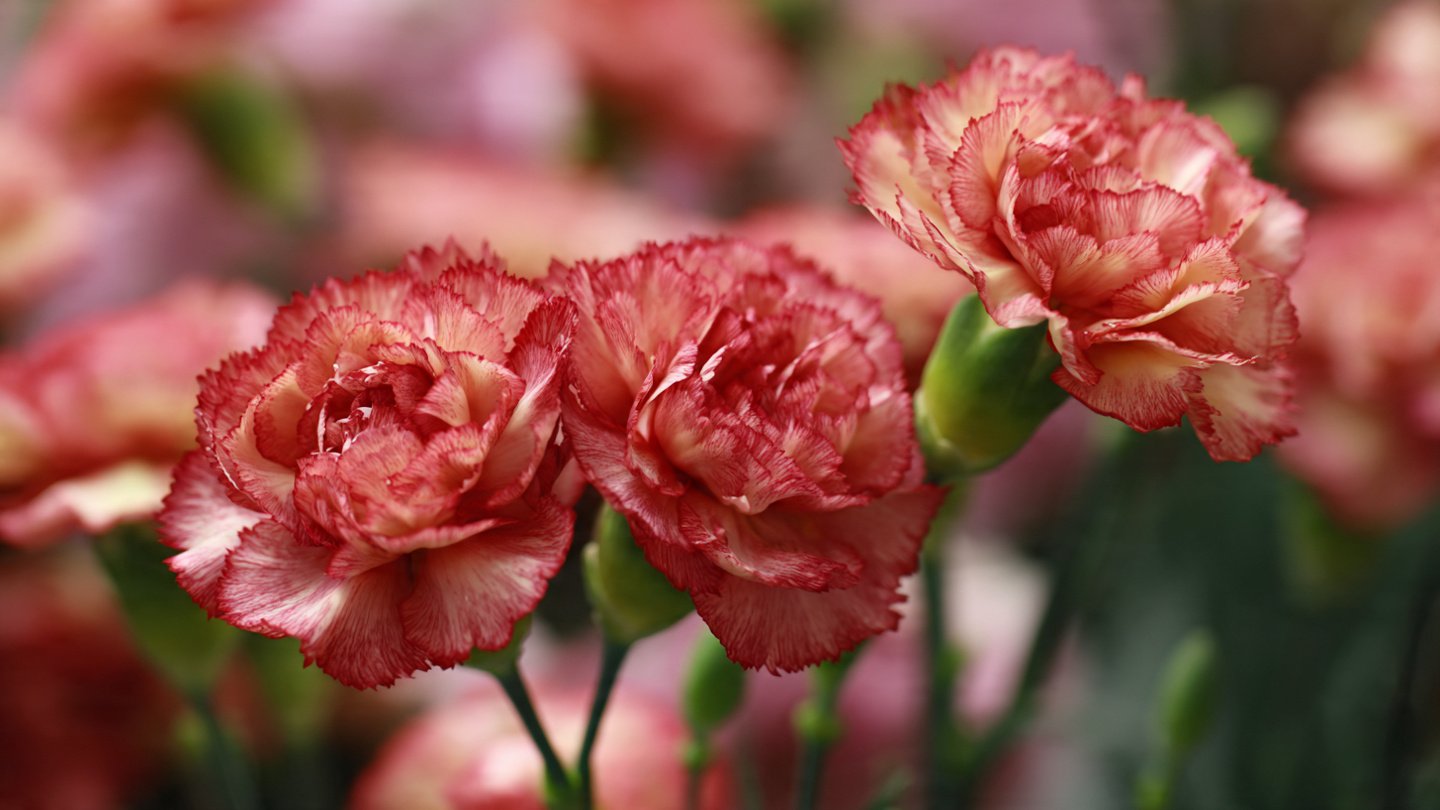
Carnations, known scientifically as Dianthus caryophyllus, have long been cherished for their vibrant colors, clove-like scent, and long-lasting blooms. These perennial plants can be a delightful addition to any home garden, offering beauty and fragrance throughout the growing season. Whether you’re an experienced gardener or a novice looking to try your hand at flower cultivation, this guide will walk you through everything you need to know about growing carnations at home.
1. Understanding Carnations
1.1 Types of Carnations
Carnations come in various types, each with distinct features:
- Standard Carnations: These are the most common flowers used in floral arrangements. They have a large head and can grow up to 24 inches tall.
- Miniature Carnations: Smaller and more compact, these are perfect for container gardening and smaller arrangements.
- Dianthus: This includes various species of pinks and sweet William, which have similar growing conditions and care requirements.
1.2 Ideal Growing Conditions
Carnations thrive in specific conditions:

- Climate: They prefer temperate climates with cool temperatures, as extreme heat can damage the blooms.
- Soil: Well-drained, fertile soil with a pH level between 6.0 and 7.0 is ideal.
- Light: Carnations need full sun, ideally 6-8 hours of direct sunlight daily.
2. Preparing for Planting
2.1 Seeds or Transplants
You can either start carnations from seeds or purchase young plants:
- Seeds: Starting from seeds requires patience, as they usually take several weeks to germinate. Sow seeds indoors about 8-10 weeks before the last frost.
- Transplants: If you prefer a quicker start, purchasing young plants from a nursery is a fantastic option.
2.2 Buying Quality Seeds or Plants
Select high-quality seeds or healthy transplants to ensure the best chance of successful growth. Look for vibrant colors and sturdy stems, which indicate good health.
Latest Posts
- A Comprehensive Guide to Successfully Growing Grape Vines in Your Backyard for Beginners and Experts Alike
- Best Tips for Successful Mango Growth in Containers
- Discover the Simple Steps for Successfully Growing Coriander in a Pot
- Discovering the Ultimate Guide to Growing African Violets from Leaf Cuttings
- Simple Techniques for Successfully Growing Seedless Grapes in Home Gardens
- Ultimate Guide to Growing Balsam Plants Naturally for Vibrant Blooms
- Discover the Secrets to Growing Lush Leek Leaves with Simple Hacks for Beginners
- How to Successfully Cultivate Sweet Cherries in the Unique Climate of Canada
- The Ultimate Guide to Successfully Growing Beautiful Succulent Garden Plants at Home
- A Comprehensive Guide to Growing Dhania from Seeds for Beginners
2.3 Garden Bed Preparation
- Select the Right Location: Choose a spot that receives plenty of sunlight and is shielded from strong winds.
- Soil Preparation: Work organic matter, such as compost or well-rotted manure, into the soil to enhance drainage and fertility.
- Tilling: Loosen the top 12 inches of soil to foster root development.
3. Planting Carnations
3.1 Planting Seeds
- Soak Seeds: Soak the seeds in water for a few hours before planting to improve germination rates.
- Sow Seeds: Scatter seeds on the surface of the prepared soil and lightly press them down. Cover with a thin layer of soil.
- Watering: Moisten the soil gently, ensuring not to wash away the seeds.
3.2 Planting Transplants
- Spacing: When planting transplants, space them about 10-12 inches apart to allow for proper airflow and growth.
- Depth: Plant them at the same depth they grew in their pots, and firm the soil around the base.
4. Caring for Your Carnations
4.1 Watering
Water carnations regularly but avoid waterlogging. Allow the soil to dry out between watering sessions:

- Frequency: Water deeply once a week, ensuring the water reaches the roots.
4.2 Fertilizing
Feed your carnations with a balanced fertilizer, especially during the growing season:
- Timing: Fertilize every 4-6 weeks during the active growing season, using a liquid fertilizer diluted to half strength.
4.3 Pruning and Deadheading
To encourage more blooms and healthier plants:
- Deadheading: Remove spent flowers promptly to promote additional blooming.
- Pruning: Trim back any leggy growth to encourage bushier plants.
4.4 Pest and Disease Management
Carnations can fall prey to various pests and diseases:
- Pests: Watch out for aphids, spider mites, and thrips. Use insecticidal soap or neem oil for control.
- Diseases: Fungal issues like root rot can occur. Ensure good drainage and avoid overhead watering to keep plants healthy.
5. Harvesting Carnations
Once your carnations are in full bloom, you may want to harvest them for arrangements:
- Timing: Harvest flowers in the morning or late afternoon when temperatures are cooler.
- Cutting: Use sharp scissors to cut the stems at a slight angle, leaving some foliage on the plant.
6. Propagation of Carnations
If you want to expand your carnation collection without purchasing more plants, consider propagation:
6.1 Stem Cuttings
- Select Healthy Stems: Choose disease-free stems from healthy plants.
- Prepare Cuttings: Cut about 4-6 inches of stem from the tip, ensuring it has at least two leaf nodes.
- Rooting: Place the cuttings in water or a damp potting mix until roots develop.
6.2 Division
For established plants, dividing clumps is a straightforward way to propagate:

- Dig Up: Carefully dig up the plant in early spring or fall.
- Divide: Separate the root ball into smaller sections, each with roots and shoots.
- Replant: Replant the divisions in prepared soil in new locations or containers.
7. Common FAQs
7.1 How long do carnations bloom?
Carnations generally bloom for several weeks, with proper care allowing for continuous blooming throughout the growing season.
7.2 Can I grow carnations indoors?
Yes, carnations can be grown indoors, provided they receive adequate light and are in well-draining soil. Consider using a grow light if natural light is insufficient.
7.3 Do carnations come back every year?
Carnations are perennials in many climates, meaning they can come back year after year. In colder regions, they may need to be treated as annuals or brought indoors during winter.

7.4 How do I prevent my carnations from becoming leggy?
- Ensure they receive sufficient sunlight (6-8 hours a day).
- Pinch back young plants to encourage bushier growth.
7.5 What should I do if my carnations develop root rot?
To prevent root rot:
- Improve drainage by amending the soil with sand or perlite.
- Avoid overwatering and ensure pots have adequate drainage holes.
Conclusion
Cultivating carnations at home is a rewarding endeavor, whether you’re seeking to beautify your garden or create stunning floral arrangements. With the right care, these colorful blooms can grace your home and garden for years to come. By following the guidance outlined in this ultimate guide, you’ll be well on your way to successfully growing and enjoying your very own carnations! Happy gardening!