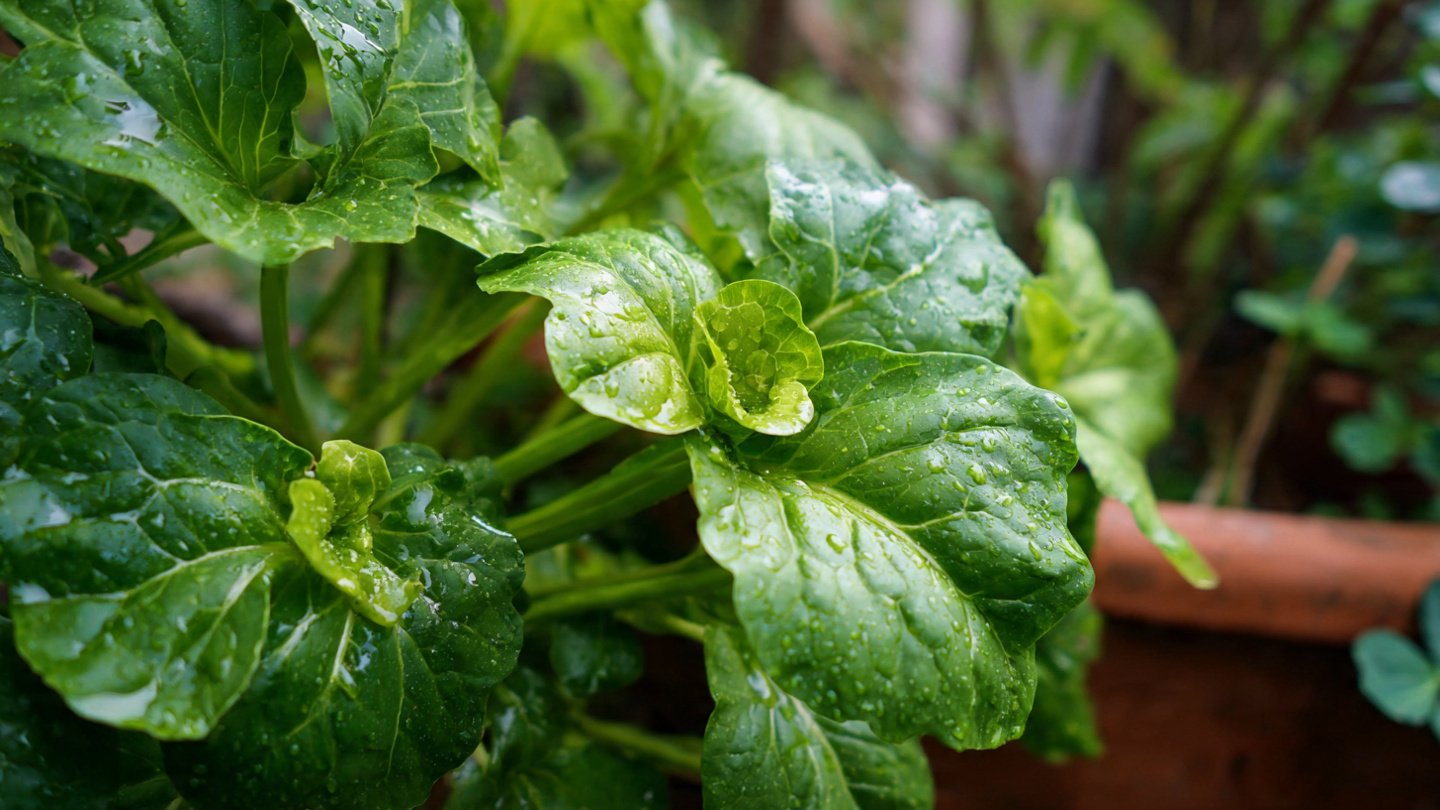
Poi Saag, also known as Amaranth greens, is a nutrient-dense leafy green that is gaining popularity for its versatility and health benefits. Growing Poi Saag at home is a rewarding endeavor that not only enhances your culinary options but also promotes a healthy lifestyle. This comprehensive guide covers everything you need to know about growing Poi Saag, from planting and cultivation to harvesting and cooking.
Understanding Poi Saag
What is Poi Saag?
Latest Posts
- A Comprehensive Guide to Successfully Growing Grape Vines in Your Backyard for Beginners and Experts Alike
- Best Tips for Successful Mango Growth in Containers
- Discover the Simple Steps for Successfully Growing Coriander in a Pot
- Discovering the Ultimate Guide to Growing African Violets from Leaf Cuttings
- Simple Techniques for Successfully Growing Seedless Grapes in Home Gardens
- Ultimate Guide to Growing Balsam Plants Naturally for Vibrant Blooms
- Discover the Secrets to Growing Lush Leek Leaves with Simple Hacks for Beginners
- How to Successfully Cultivate Sweet Cherries in the Unique Climate of Canada
- The Ultimate Guide to Successfully Growing Beautiful Succulent Garden Plants at Home
- A Comprehensive Guide to Growing Dhania from Seeds for Beginners
Poi Saag (Amaranthus spp.) is a leafy green vegetable that belongs to the Amaranthaceae family. Commonly consumed in various parts of the world, it’s especially cherished in Indian, African, and Caribbean cuisines. The leaves are rich in vitamins A, C, and K, along with essential minerals such as calcium and iron. They have a mild, slightly earthy flavor that makes them a perfect addition to salads, soups, and stir-fries.
Health Benefits
Growing Poi Saag at home not only guarantees access to fresh greens but also offers numerous health benefits:
- High Nutritional Value: Rich in antioxidants and chlorophyll, it helps combat oxidative stress.
- Anti-Inflammatory Properties: Contains compounds that can reduce inflammation.
- Digestive Health: High fiber content promotes healthy digestion.
- Bone Health: The calcium and vitamin K in Poi Saag are essential for bone health.
Growing Conditions for Poi Saag
Climate Requirements
Poi Saag thrives in warm weather but can tolerate light frost. It is typically grown in USDA zones 2-11, making it accessible for a wide range of gardening enthusiasts. Ideal growing conditions include:

- Temperature: 70°F to 90°F (21°C to 32°C).
- Light: Full sun to partial shade (at least 4-6 hours of direct sunlight).
Soil Preparation
Soil quality plays a crucial role in the growth of Poi Saag. Here’s how to prepare your soil effectively:
- Soil Type: Well-drained loamy or sandy soil with good organic matter is ideal. Avoid heavy clay that retains too much water.
- pH Level: Aim for a pH of 6.0 to 7.0.
- Nutrients: Enrich the soil with compost or well-rotted manure to improve fertility and retention of moisture.
Planting Poi Saag
Seed Selection
Choosing high-quality seeds is vital. Look for organic or heirloom varieties, which tend to be more resilient and flavorful.
Planting Process
- Timing: Sow seeds directly in the garden in late spring or early summer after the last frost.
- Seed Depth: Sow seeds ¼ to ½ inch deep.
- Spacing: Space seeds or seedlings 10-12 inches apart to allow for ample growth and air circulation.
Watering Requirements
Consistent moisture is crucial for optimal growth of Poi Saag. Water regularly, ensuring the soil stays moist but not waterlogged. Here are some tips:
- Frequency: Water daily during hot weather and reduce frequency as the plant matures.
- Method: Use drip irrigation or a soaker hose to deliver water directly to the root zone.
Fertilization
To promote healthy growth, fertilize your Poi Saag plants. Here’s a simple guide:
- Initial Fertilization: Apply a balanced fertilizer (10-10-10) after planting.
- Subsequent Feedings: Every 4-6 weeks, apply a nitrogen-rich fertilizer to enhance leaf growth.
Pest and Disease Management
While Poi Saag is relatively pest-resistant, it can still be susceptible to certain pests and diseases. Here’s how to manage them:
- Common Pests: Aphids, leaf miners, and spider mites can be problematic.
- Solutions: Use insecticidal soap or neem oil to manage pest infestations.
Harvesting Poi Saag
Knowing when and how to harvest is key to enjoying your Poi Saag:
- Timing: Harvest leaves when they are young and tender, typically 4-6 weeks after planting.
- Method: Use scissors or garden shears to snip leaves, cutting just above the main stem. Leave the roots intact for continued growth.
- Frequency: Harvest regularly to encourage new growth. Always leave some leaves on the plant.
Cooking with Poi Saag
Freshly harvested Poi Saag is incredibly versatile and can be used in various dishes:
- Soups and Stews: Add chopped leaves to soups for added nutrients.
- Stir-Fries: Sauté with garlic, onions, and other vegetables for a delicious side dish.
- Salads: Use young leaves as a base for fresh salads.
- Smoothies: Blend into smoothies for an extra nutrition boost.
Storing Poi Saag

To enjoy your fresh greens for longer, store them properly:
- Refrigeration: Place unwashed leaves in a plastic bag and store in the refrigerator for up to a week.
- Freezing: Blanch leaves in boiling water for a minute, cool in ice water, and freeze for up to 6 months.
FAQs
Can I grow Poi Saag indoors?
Yes, you can grow Poi Saag indoors if you have a sunny window or under grow lights. Use containers with appropriate drainage and follow the same care routine.
How often should I water Poi Saag?
Water Poi Saag regularly, keeping the soil consistently moist but not soggy. In hot weather, daily watering may be necessary.
Can Poi Saag tolerate shade?
While Poi Saag prefers full sun, it can tolerate partial shade. However, reduced sunlight may affect growth and flavor.
How do I know when Poi Saag is ready to harvest?
Poi Saag is ready to harvest when the leaves are young and tender, typically around 4-6 weeks after planting. Look for leaves that are vibrant and not fully mature.

Are there any diseases that commonly affect Poi Saag?
Common issues include downy mildew and rust. Ensure good air circulation and water the soil, not the leaves, to reduce the risk of fungal infections.
Can I plant Poi Saag and other vegetables together?
Yes, Poi Saag can be interplanted with other vegetables. It pairs well with crops like tomatoes, corn, and peppers, as it can benefit from their nutrients.
Are there any organic pest control methods for Poi Saag?
You can use natural methods such as introducing beneficial insects (ladybugs for aphids), spraying with neem oil, or using insecticidal soap. Always try to identify the pest before taking action.
How often should I fertilize Poi Saag?
Fertilize every 4-6 weeks, starting with an initial application after planting. Use a nitrogen-rich fertilizer to promote leaf growth.
Conclusion
Growing Poi Saag at home is a fulfilling project that brings fresh, healthy greens right to your table. With its nutritional benefits and culinary versatility, it’s well worth the effort. Whether you’re a seasoned gardener or a beginner, the steps outlined in this guide will help you cultivate a flourishing crop of Poi Saag, enriching your diet and your gardening experience. Start planting today, and enjoy the many benefits that come from growing your own food!