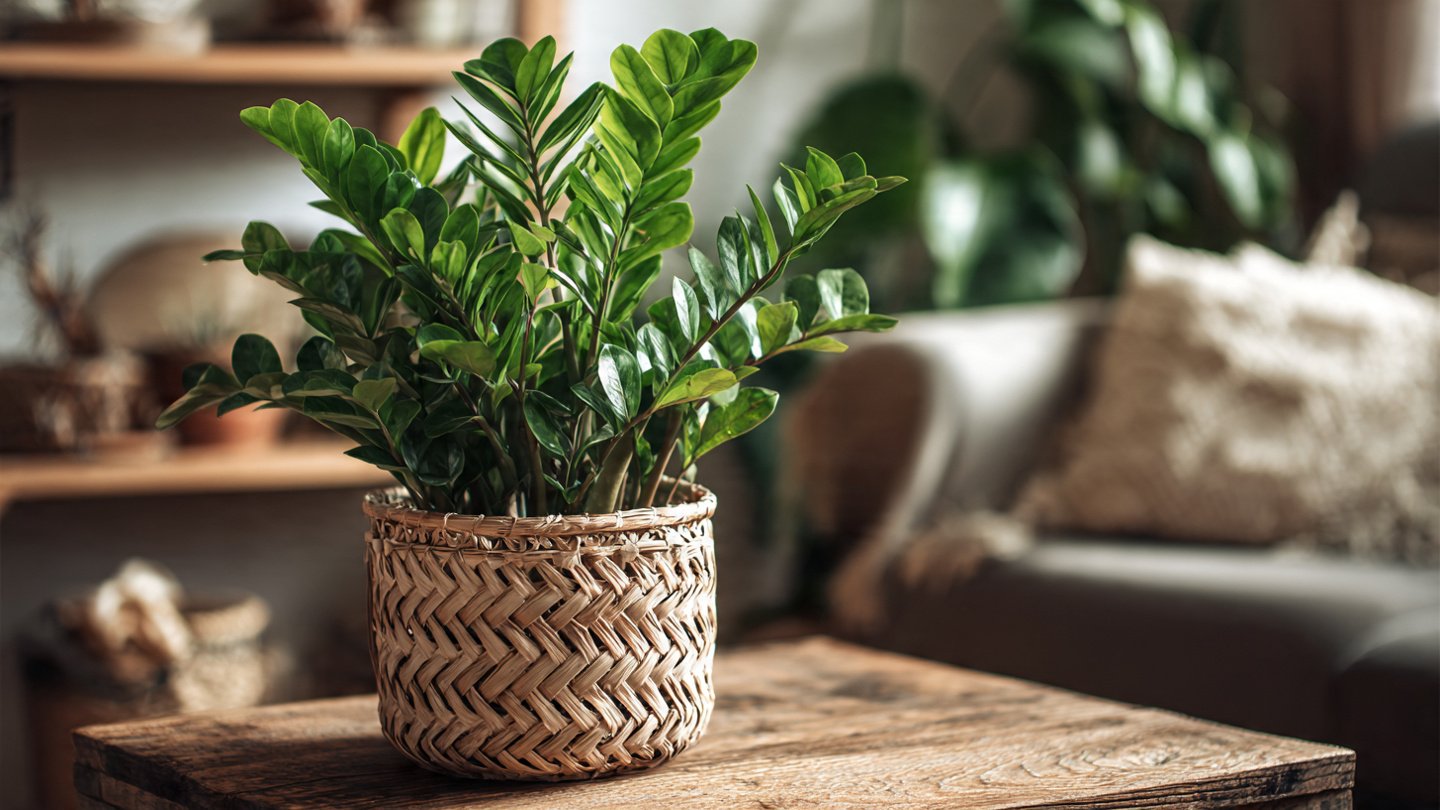
The ZZ plant (Zamioculcas zamiifolia) is a stunning houseplant renowned for its glossy, dark green leaves and resilient nature. Its fascinating texture and sculptural appearance make it a popular choice among plant enthusiasts and interior decorators alike. Whether you’re a seasoned plant owner or a novice gardener, the ZZ plant is an excellent addition to your home decor, offering both aesthetic and environmental benefits. In this comprehensive guide, we’ll walk you through the simple methods of cultivating a ZZ plant, ensuring you achieve a stunning display in your home.
Why the ZZ Plant?
Before diving into cultivation methods, it’s helpful to understand why the ZZ plant is a prized choice for indoor greenery:
Latest Posts
- A Comprehensive Guide to Successfully Growing Grape Vines in Your Backyard for Beginners and Experts Alike
- Best Tips for Successful Mango Growth in Containers
- Discover the Simple Steps for Successfully Growing Coriander in a Pot
- Discovering the Ultimate Guide to Growing African Violets from Leaf Cuttings
- Simple Techniques for Successfully Growing Seedless Grapes in Home Gardens
- Ultimate Guide to Growing Balsam Plants Naturally for Vibrant Blooms
- Discover the Secrets to Growing Lush Leek Leaves with Simple Hacks for Beginners
- How to Successfully Cultivate Sweet Cherries in the Unique Climate of Canada
- The Ultimate Guide to Successfully Growing Beautiful Succulent Garden Plants at Home
- A Comprehensive Guide to Growing Dhania from Seeds for Beginners
-
Low Maintenance: ZZ plants can thrive on neglect. They require minimal watering and are resistant to pests.
-
Air Purification: ZZ plants help purify indoor air by removing toxins, promoting a healthier living environment.
-
Aesthetic Appeal: The unique, glossy leaves of the ZZ plant add a modern touch to any space, making it a stylish choice for various decor styles.
-
Adaptability: ZZ plants are tolerant of low light and can survive in various indoor conditions.
Choosing the Right Pot and Soil
Cultivating a ZZ plant begins with selecting the appropriate pot and soil:
Pot Selection
- Drainage: Choose a pot with drainage holes to prevent water retention, which can lead to root rot.
- Size: A pot about 1-2 inches larger than the current pot is ideal. ZZ plants prefer to be slightly root-bound, so avoid overly large containers.

Soil Choice
- Well-draining Mix: Use a potting soil mix specifically designed for succulents or cacti. Alternatively, you can create a blend of regular potting soil mixed with sand or perlite to improve drainage.
Preparation
-
Sterilize the Pot: If you’re reusing an old pot, clean it with a bleach solution to eliminate any pathogens.
-
Layering: Place a layer of small stones or gravel at the bottom of the pot for improved drainage.
Planting the ZZ Plant
Once your pot and soil are ready, it’s time to plant your ZZ plant:
Propagation Method
ZZ plants can be propagated through leaf cuttings or division. Here’s how to do each:
1. Leaf Cuttings
- Selecting Leaves: Choose healthy, mature leaves from the parent plant.
- Cutting: Cut the leaf close to the stem using clean, sharp scissors.
- Drying: Allow the cut end to dry for a few hours to form a callus, reducing the risk of rot when planted.
- Planting: Insert the cut end about an inch deep into a well-draining soil mix and water lightly.

2. Division
- Timing: The best time to divide the plant is in the spring when it is actively growing.
- Removing the Plant: Gently take the ZZ plant out of its pot and shake off excess soil.
- Division: Use your hands or a clean knife to gently separate the tubers, ensuring each division has roots and at least one stem.
- Replanting: Immediately plant the divisions into separate pots with a suitable soil mix.
Watering Post-Planting
After planting, water lightly. ZZ plants prefer to dry out completely between watering, so be cautious not to overwater.
Care and Maintenance
Taking care of your ZZ plant is straightforward. Follow these tips to ensure it thrives:
Light Requirements
ZZ plants are incredibly adaptable when it comes to lighting:
- Low to Bright Indirect Light: They can survive in low-light conditions, although they grow best in bright, indirect light.
- Avoid Direct Sunlight: Direct sunlight can scorch the leaves.
Watering Schedule
- Infrequent Watering: Water your ZZ plant only when the top 2-3 inches of soil are completely dry.
- Signs of Overwatering: Yellowing leaves are a clear sign that you might be watering too frequently.

Fertilization
While ZZ plants do not require frequent feeding, a small amount of fertilizer can boost growth:
- Type: Use a balanced, water-soluble fertilizer diluted to half strength.
- Frequency: Fertilize every 2-3 months during the growing season (spring and summer).
Pruning
- Cleaning Leaves: Occasionally wipe the leaves with a damp cloth to remove dust and allow for better photosynthesis.
- Trimming: If leaves turn yellow or brown, trim them off near the base to keep the plant healthy.
Dealing with Pests and Diseases
ZZ plants are relatively pest-resistant, but they can be susceptible to certain issues:
Common Pests
- Spider Mites and Mealybugs: Treat infestations with insecticidal soap or neem oil.
- Fungal Issues: Overwatering can lead to root rot or fungal infections. Ensure good drainage and dry soil between waterings.
Disease Prevention
- Good Air Circulation: Position your ZZ plant in a spot with adequate airflow to prevent diseases.
- Proper Watering: Always allow the soil to dry completely before watering again.
Styling Your ZZ Plant for Home Decor
ZZ plants can significantly enhance your home’s aesthetic. Here are some creative ways to incorporate them into your decor:
Corner Feature
Use tall pots to display your ZZ plant in a corner or empty space, creating a focal point.
Shelving
Place ZZ plants on bookshelves or floating shelves for a tiered effect, alternating heights with other houseplants for dynamic visual interest.
Desk Companion
A smaller ZZ plant on your desk can bring a piece of nature into your workspace, promoting a calming atmosphere.
Grouping with Other Plants
Combine ZZ plants with colorful decor or other indoor plants for a lush, layered effect.
FAQs about ZZ Plant Cultivation
1. How often should I water my ZZ plant?
ZZ plants thrive on infrequent watering. Water every 2-3 weeks, allowing the top 2-3 inches of soil to dry completely between waterings.

2. Can ZZ plants grow in low light?
Yes, ZZ plants are quite tolerant of low light conditions. However, they grow best in bright, indirect light.
3. Why are the leaves of my ZZ plant turning yellow?
Yellow leaves often indicate overwatering. Ensure the soil dries out completely between waterings and check for root rot.
4. How do I propagate a ZZ plant?
You can propagate ZZ plants through leaf cuttings or division. Leaf cuttings should be allowed to callus before planting, while division involves separating tubers from the parent plant.
5. Is the ZZ plant toxic to pets?
Yes, ZZ plants are mildly toxic if ingested by pets. Keep them out of reach of animals and children.
6. What type of potting soil is best for ZZ plants?
A well-draining soil mix is ideal. Consider using cactus or succulent mix, or create your own blend using regular potting soil mixed with sand or perlite.
7. How important is fertilization for ZZ plants?
While ZZ plants do not require frequent fertilization, a diluted water-soluble fertilizer every 2-3 months during the growing season can promote growth.
Conclusion
Cultivating a ZZ plant is a simple yet rewarding journey that can significantly enhance your home decor. Their low-maintenance requirements, unique aesthetic, and air-purifying properties make them a fantastic choice for both novice and experienced plant lovers. By following the tips outlined in this guide, you can enjoy the beauty of ZZ plants while contributing to a healthier indoor environment. Happy gardening!