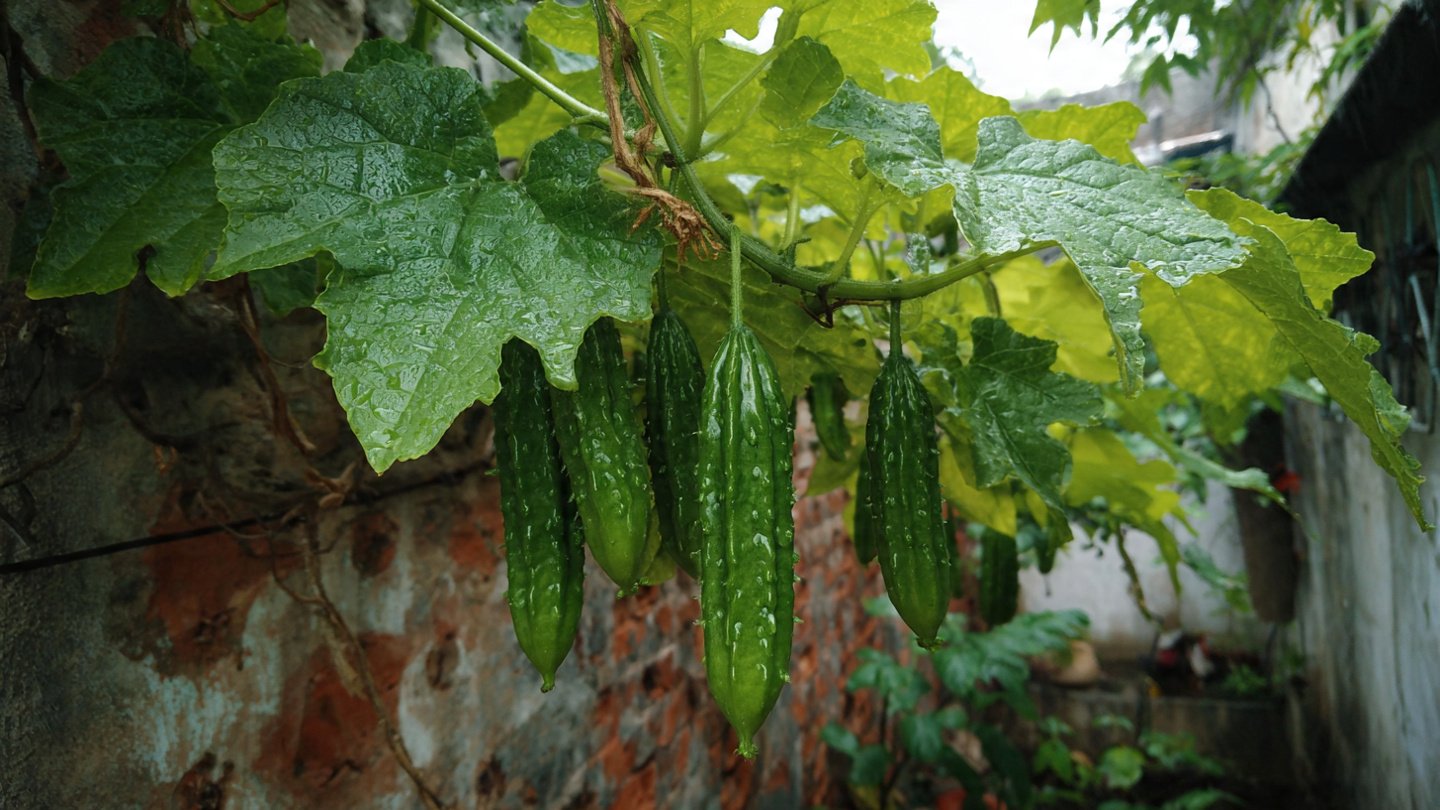
Bitter gourd, also known as bitter melon or karela, is a highly nutritious vegetable widely celebrated in Asian cuisine. Its distinct flavor and numerous health benefits make it a valuable addition to any home garden. With the right approach, you can successfully grow bitter gourd at home year-round, ensuring a continuous supply of this unique vegetable. This guide will cover everything you need to know about cultivating bitter gourd, including planting, care, pest management, and harvesting.
Understanding Bitter Gourd: A Brief Overview
Characteristics and Benefits
Latest Posts
- A Comprehensive Guide to Successfully Growing Grape Vines in Your Backyard for Beginners and Experts Alike
- Best Tips for Successful Mango Growth in Containers
- Discover the Simple Steps for Successfully Growing Coriander in a Pot
- Discovering the Ultimate Guide to Growing African Violets from Leaf Cuttings
- Simple Techniques for Successfully Growing Seedless Grapes in Home Gardens
- Ultimate Guide to Growing Balsam Plants Naturally for Vibrant Blooms
- Discover the Secrets to Growing Lush Leek Leaves with Simple Hacks for Beginners
- How to Successfully Cultivate Sweet Cherries in the Unique Climate of Canada
- The Ultimate Guide to Successfully Growing Beautiful Succulent Garden Plants at Home
- A Comprehensive Guide to Growing Dhania from Seeds for Beginners
Bitter gourd is characterized by its wrinkled green skin and a bitter taste, particularly when consumed raw. It is low in calories and rich in nutrients, including vitamins A, C, K, and several B vitamins, as well as minerals like iron, potassium, and magnesium. Bitter gourd is believed to have numerous health benefits, such as:
- Blood Sugar Control: It is known to lower blood sugar levels, making it beneficial for diabetic patients.
- Weight Loss: Its low-calorie count and high fiber content support weight management.
- Digestive Health: The vegetable can improve digestion and help relieve constipation.
Ideal Growing Conditions
Bitter gourd thrives in warm, humid climates, making it perfect for tropical and subtropical regions. The ideal conditions for growing this vegetable include:
- Temperature: 70°F to 90°F (21°C to 32°C) is optimal.
- Soil: Well-draining, sandy loam with a pH of 6.0 to 7.0 is ideal.
- Sunlight: Full sun, requiring at least 6-8 hours of direct sunlight daily.
Step-by-Step Guide to Growing Bitter Gourd Year-Round

1. Choosing the Right Variety
There are various bitter gourd varieties, each differing in size, bitterness, and appearance. Common varieties include:
- Indian Bitter Gourd: Long and ridged with a high bitterness level.
- Chinese Bitter Gourd: Shorter, less bitter, and smoother skin.
Choosing the right variety depends on your taste preference and culinary needs.
2. Preparing the Soil
A successful garden starts with well-prepared soil. Follow these steps:
- Soil Testing: Conduct a soil test to determine pH and nutrient levels.
- Amendments: Incorporate organic matter such as compost or well-rotted manure to improve soil fertility and drainage.
- Tilling: Till the soil to a depth of at least 12 inches (30 cm) to prevent compaction and enhance root growth.
3. Planting Bitter Gourd Seeds
Once the soil is ready, it’s time to plant:
- Seed Preparation: Soak seeds in water for 24 hours to enhance germination.
- Sowing: Plant seeds 1 inch deep and 2-3 feet apart in rows. Ideally, planting should occur in late spring or early summer when temperatures begin to warm up.
- Spacing: Provide ample spacing, as bitter gourd requires good airflow to prevent diseases.

4. Caring for Bitter Gourd Plants
Proper care is essential for a high yield:
a. Watering
- Consistency: Water regularly but ensure the soil doesn’t become soggy. Aim for around 1-2 inches of water per week.
- Mulching: Apply a layer of mulch around the base of plants to retain moisture and suppress weeds.
b. Fertilization
- Nutrient Needs: Use a balanced fertilizer high in potassium and phosphorus to promote flowering and fruiting.
- Application: Fertilize every 4-6 weeks, following the manufacturer’s recommendations for quantities.
c. Pruning
- Improving Airflow: Prune excess leaves to improve airflow, which can help prevent diseases.
- Encouraging Growth: Pinch back young shoots to encourage bushier growth and more fruit production.
5. Managing Pests and Diseases
Bitter gourd can be susceptible to various pests and diseases:
a. Common Pests
- Aphids: Small insects that can sap plant vitality. Use insecticidal soap or neem oil to control infestations.
- Whiteflies: They can cause yellowing leaves. Sticky traps can help monitor and control these pests.
b. Diseases
- Powdery Mildew: This fungal disease appears as white patches. Ensure good airflow and avoid overhead watering to reduce humidity.
- Fusarium Wilt: A soil-borne disease affecting the roots. Rotate crops and practice good sanitation to prevent this disease.
6. Supporting Bitter Gourd Plants
Bitter gourd vines require support to grow properly:
- Trellising: Install a trellis or support structure for the plants to climb. This helps in maximizing space and improving air circulation.
- Height: Aim for a trellis that is at least 6 feet tall (1.8 meters).
7. Harvesting Bitter Gourd
Harvesting must be done at the right time:

- Timing: Bitter gourds are ready for harvest about 2-3 months after planting. The best time to harvest is when they are still young and tender, typically measuring 4-6 inches (10-15 cm) in length.
- Technique: Use sharp scissors or pruners to cut the fruits from the vine, being careful not to damage the plant.
8. Extending the Growing Season
To grow bitter gourd year-round, consider the following:
- Containers: Use pots or containers to move plants indoors during colder months.
- Greenhouses: If available, grow bitter gourd in a greenhouse where you can control the temperature and conditions.
Frequently Asked Questions
Q1: How long does it take for bitter gourd to grow from seed to harvest?
A: Bitter gourd typically takes about 60 to 90 days from seed to harvest, depending on the variety and growing conditions.
Q2: Can bitter gourd be grown indoors?
A: Yes, bitter gourd can be grown indoors in containers. Ensure they receive adequate light, either from bright windows or grow lights.
Q3: How do you know when bitter gourd is ready to be harvested?
A: Bitter gourd is best harvested when it is young and tender, usually between 4 to 6 inches long. When it turns a deep green and becomes firm, it’s the right time.

Q4: What are the signs of overwatering?
A: Signs of overwatering include yellowing leaves, wilting, and root rot. Make sure to water only when the top inch of soil feels dry.
Q5: How can I prevent pests from attacking my bitter gourd plants?
A: Regularly inspect plants for pests, use companion planting, and introduce beneficial insects. Neem oil can also be effective against many common pests.
Q6: Is bitter gourd suitable for beginners?
A: Yes, bitter gourd can be grown by beginners with some gardening experience. It requires basic care and attention to create the right growing conditions.
Q7: How can I use bitter gourd in cooking?
A: Bitter gourd can be used in various dishes such as stir-fries, soups, and salads. Techniques like salting can help reduce bitterness before cooking.
Q8: Can I save seeds from my bitter gourd plants?
A: Definitely! Allow some mature fruits to ripen on the vine, then extract the seeds. Rinse and dry them thoroughly before storing for future planting.
Conclusion
Growing bitter gourd at home year-round is not only feasible but also rewarding. With proper care, you can enjoy a continuous supply of this nutritious vegetable, enhancing your meals and benefiting your health. By following the guidelines outlined in this article, you’ll be well on your way to achieving optimal yield and experiencing the satisfaction of growing your own food. Happy gardening!