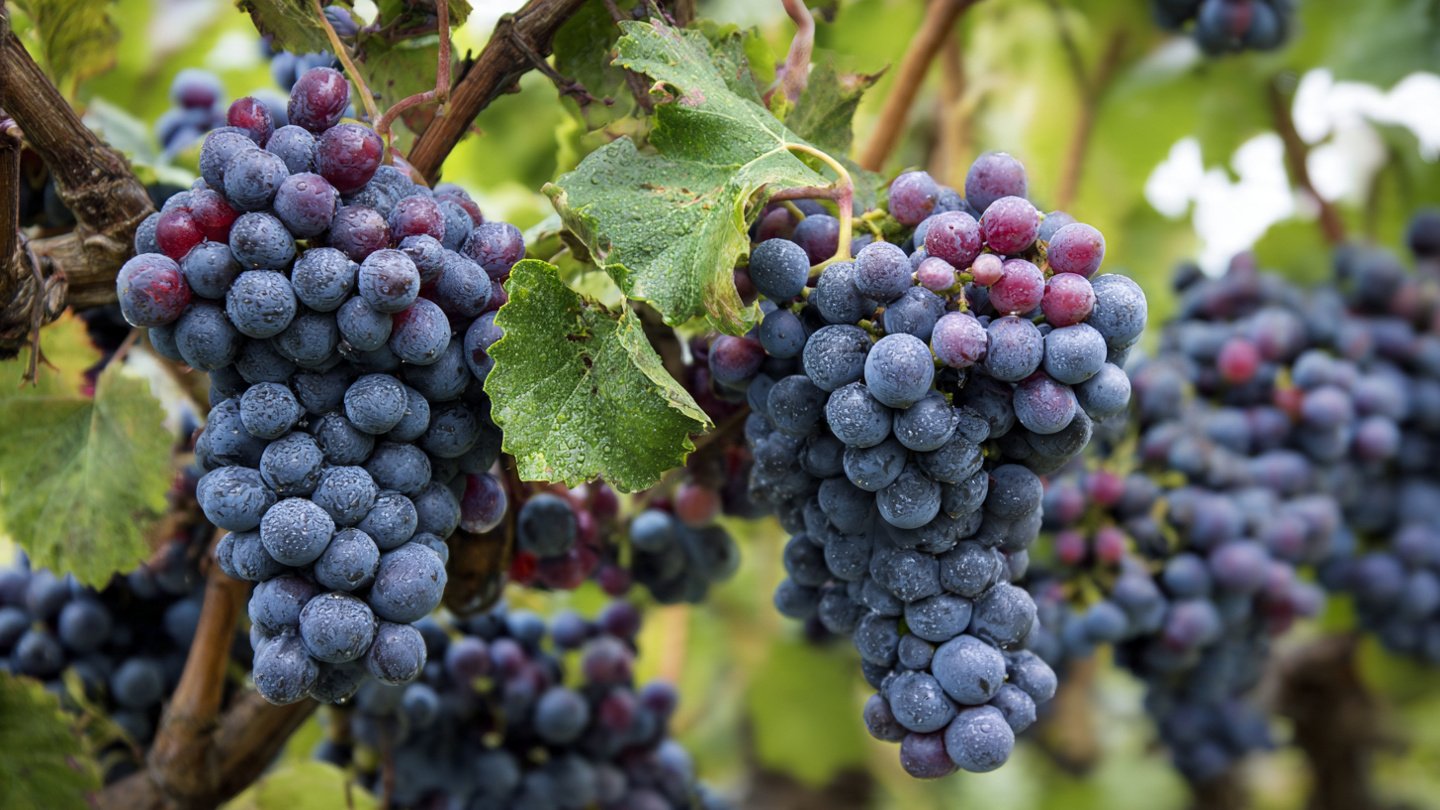
Cultivating Concord grapes can be a rewarding venture, especially for Canadian growers looking to produce quality fruit for jelly, juice, and wine. These grapes are known for their robust flavor and versatility, thriving in various climates—though they truly flourish under the right conditions. This article will guide you through the best practices for successfully cultivating Concord grapes in Canada’s unique climate, ensuring optimal harvests annually.
1. Understanding Concord Grapes
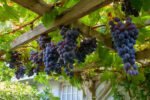
Concord grapes (Vitis labrusca) are a native North American species that excel in cooler climates, making them a suitable choice for many regions in Canada. They are famous for their deep blue color and are predominantly used in making grape juice, wine, and jellies.
Latest Posts
- A Comprehensive Guide to Successfully Growing Grape Vines in Your Backyard for Beginners and Experts Alike
- Best Tips for Successful Mango Growth in Containers
- Discover the Simple Steps for Successfully Growing Coriander in a Pot
- Discovering the Ultimate Guide to Growing African Violets from Leaf Cuttings
- Simple Techniques for Successfully Growing Seedless Grapes in Home Gardens
- Ultimate Guide to Growing Balsam Plants Naturally for Vibrant Blooms
- Discover the Secrets to Growing Lush Leek Leaves with Simple Hacks for Beginners
- How to Successfully Cultivate Sweet Cherries in the Unique Climate of Canada
- The Ultimate Guide to Successfully Growing Beautiful Succulent Garden Plants at Home
- A Comprehensive Guide to Growing Dhania from Seeds for Beginners
Benefits of Growing Concord Grapes
- Local Adaptation: Concord grapes have adapted well to the temperate climates found in parts of Canada, including Ontario, Quebec, and the Maritime provinces.
- Disease Resistance: They tend to be more resistant to pests and diseases than many other grape varieties.
- Market Demand: There is a steady demand for Concord grapes, especially for products such as jams and jellies.
2. Choosing the Right Location
Sunlight
Concord grapes require abundant sunlight for optimal growth. Select a site that receives at least 6–8 hours of sunlight daily.
Soil
- pH Levels: The ideal soil pH for Concord grapes is between 6.0 and 6.8. Conduct a soil test to ensure the levels are appropriate.
- Drainage: Good drainage is crucial, as Concord grapes do not tolerate waterlogged soil. Sandy loam or loamy soils are ideal.
Climate Considerations
The Canadian climate varies significantly from province to province. Concord grapes thrive best in areas with:
- Cool Nights: These grapes require cooler nighttime temperatures, which enhance acidity and flavor in the berries.
- Frost Protection: Choose regions with lower risks of late spring frosts. If your area is at risk, consider planting on elevated sites.
3. Planting Concord Grapes
Selecting Your Vines
When selecting Concord grape vines, choose disease-resistant varieties. Nursery-recommended cultivars for Canadian climates may include:
- Fredonia: A variant that produces large clusters.
- Himrod: Naturally pest-resistant and good for early harvests.
Planting Time
The best time to plant Concord grape vines in Canada is in the spring, after the last frost. This allows the roots to strengthen in the warmer soil.
Spacing
Space the vines about 6–8 feet apart to allow sufficient air circulation and sunlight penetration. Rows should be spaced approximately 8–10 feet apart.
Planting Method
- Digging Holes: Create holes that are about 12-18 inches deep.
- Soil Preparation: Mix compost into the soil to enrich nutrients.
- Placing Vines: Position the root ball at the bottom of the hole and cover with soil, ensuring it’s level with the surrounding ground.
- Watering: Water the newly planted vines thoroughly to settle the soil.
4. Training and Pruning
Proper training and pruning of Concord grapes are essential for healthy vines and optimal fruit production.
Training Methods
- Wire Trellis System: This system supports the growth of the vines and allows for maximum sunlight exposure. Install wooden or metal posts and wires at a height of about 5-6 feet.
- Vertical Shoot Positioning (VSP): This method involves training the shoots upwards along the trellis, facilitating air circulation and easier harvesting.
Pruning Techniques
Pruning should be performed in late winter or early spring, before bud break.
- First-Year Pruning: Remove all but the strongest shoot, cutting back to a few buds.
- Subsequent Years: Thin out old wood, leaving the healthiest canes for fruiting. Aim for a balance of old and new growth.
5. Watering and Fertilization
Watering Needs
While Concord grapes are relatively drought-resistant, they require consistent watering during the first few years.
- Initial Growth: Ensure consistent moisture; for mature vines, adjust based on rainfall.
- Avoid Overwatering: Ensure that drainage is good to prevent root rot.
Fertilization
- Initial Fertilization: Use a balanced fertilizer high in phosphorus and potassium to encourage root development.
- Annual Feeding: In early spring, use a nitrogen-rich fertilizer to promote leaf growth.
Organic Alternatives
Consider using compost or well-rotted manure as a natural fertilizer option.
6. Pest and Disease Management
Common Pests
- Japanese Beetles: Can harm foliage; use traps or insecticidal soap.
- Grape Berry Moths: Monitor for larvae; apply organic insecticides if necessary.
Common Diseases
- Powdery Mildew: A common fungal disease, controllable with fungicides or organic treatments like sulfur.
- Black Rot: Regularly remove affected leaves and maintain airflow around the vines.
Integrated Pest Management
- Monitoring: Regularly check for pest populations and disease symptoms.
- Cultural Practices: Keep the vineyard clean and well-maintained to minimize disease risks.

7. Harvesting Concord Grapes
Timing Your Harvest
Concord grapes are usually ready for harvest in late summer to early fall (August to October), depending on climate conditions.
- Sugar Levels: Use a refractometer to check sugar levels. Aim for a Brix (sugar measurement) of 18-22.
- Taste Testing: Taste the grapes for optimal sweetness and flavor.
Harvesting Techniques
- Hand Harvesting: This prevents bruising and maintains fruit quality. Use scissors or shears to carefully cut clusters.
- Timing: Harvest in the early morning when temperatures are cooler to preserve firmness.
8. Post-Harvest Handling
Proper post-harvest handling is essential for maintaining grape quality.
- Cooling: Immediately cool the grapes to slow decay.
- Storage: Store grapes in a cool, dark place. They can be refrigerated for a short time but should be used promptly for best flavor.
9. Frequently Asked Questions (FAQs)
Q1: How long does it take for Concord grapes to produce fruit?
A1: Typically, Concord grape vines will begin to produce fruit in 2-3 years after planting.
Q2: Are Concord grapes frost-sensitive?
A2: Yes, while Concord grapes are resistant to some frost, late spring frosts can damage young buds. Choose frost-resistant locations and consider using frost cloths if necessary.
Q3: Do Concord grapes require a lot of maintenance?
A3: While initial establishment requires effort, Concord grapes are relatively low-maintenance once established, needing regular pruning, pest management, and watering.
Q4: Can Concord grapes be grown in pots?
A4: Yes, Concord grapes can be grown in large containers, provided they have sufficient sunlight and support structures.
Q5: What are the best varieties of Concord grapes for Canadian climates?
A5: Some well-suited varieties include Fredonia and Himrod, which are known for their hardiness and adaptability to cooler temperatures.
Q6: How do I ensure my Concord grapes have high sugar content?
A6: To boost sugar levels, ensure your vines receive full sunlight and manage irrigation to avoid excessive water during the later stages of ripening.
Q7: What pests and diseases should I watch for?
A7: Common pests include Japanese beetles and grape berry moths, while diseases like powdery mildew and black rot are notable issues needing management.
Conclusion
Cultivating Concord grapes in Canada’s unique climate presents both challenges and opportunities. By understanding the specific requirements for sunlight, soil, water, and pest management, you can successfully enjoy the fruits of your labor. With proper care—from planting to post-harvest—you’ll achieve optimal harvests of delicious Concord grapes year after year.