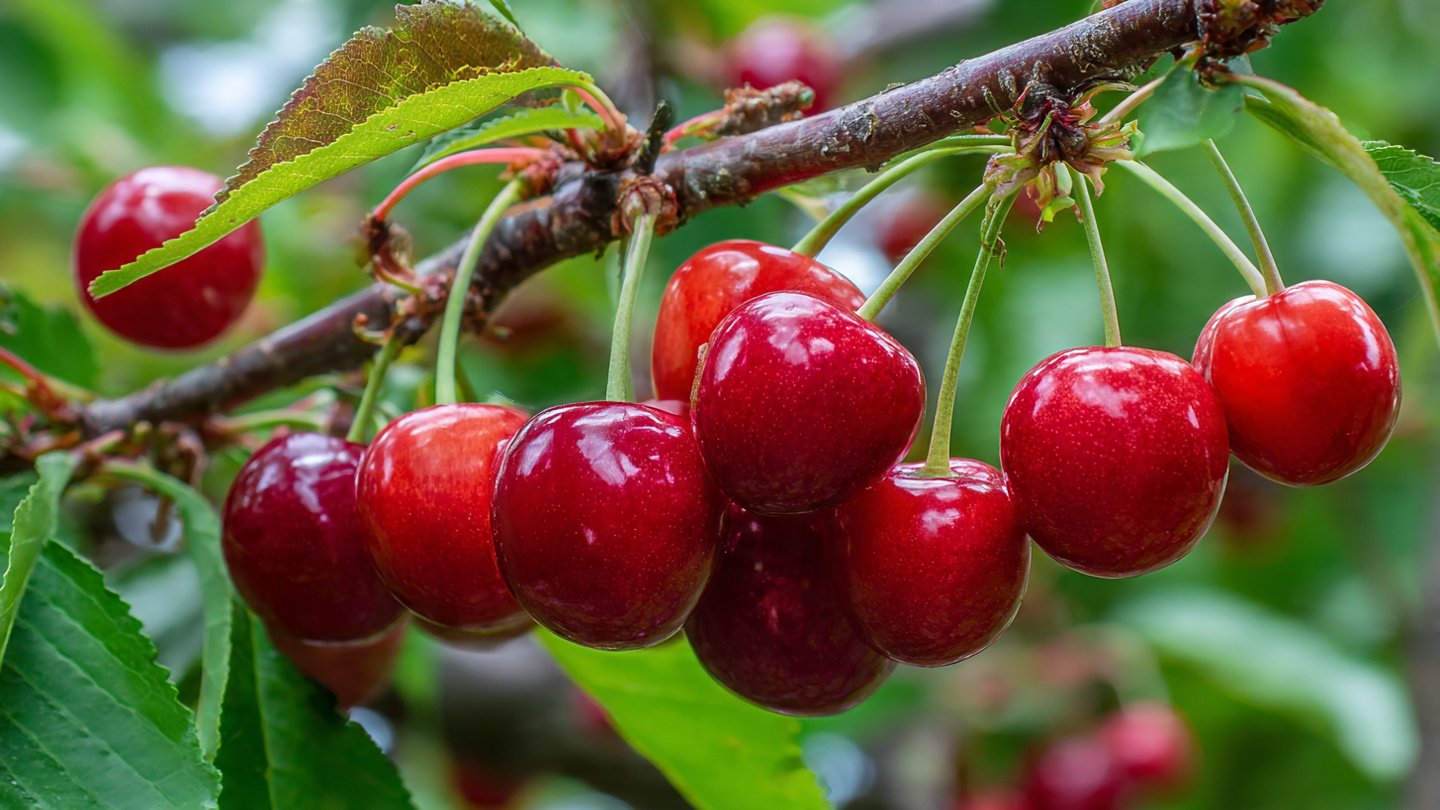
Sour cherry trees (Prunus cerasus) are a delightful addition to any garden, offering not only beautiful blossoms in spring but also a delicious harvest in the summer. Growing these trees at home can be a rewarding endeavor, especially for those who enjoy baking and cooking with fresh fruit. This comprehensive guide will walk you through everything you need to know about growing sour cherry trees, from selecting the right variety to caring for your tree and harvesting your fruit.
Choosing the Right Variety
Before planting, it’s crucial to select the right variety of sour cherry tree that suits your climate and garden space. Some popular sour cherry varieties include:
Latest Posts
- A Comprehensive Guide to Successfully Growing Grape Vines in Your Backyard for Beginners and Experts Alike
- Best Tips for Successful Mango Growth in Containers
- Discover the Simple Steps for Successfully Growing Coriander in a Pot
- Discovering the Ultimate Guide to Growing African Violets from Leaf Cuttings
- Simple Techniques for Successfully Growing Seedless Grapes in Home Gardens
- Ultimate Guide to Growing Balsam Plants Naturally for Vibrant Blooms
- Discover the Secrets to Growing Lush Leek Leaves with Simple Hacks for Beginners
- How to Successfully Cultivate Sweet Cherries in the Unique Climate of Canada
- The Ultimate Guide to Successfully Growing Beautiful Succulent Garden Plants at Home
- A Comprehensive Guide to Growing Dhania from Seeds for Beginners
- Montmorency: The most common variety grown in the United States, ideal for baking due to its tart flavor.
- Early Richmond: Known for its medium-size fruit and early harvest, great for pies and preserves.
- North Star: A dwarf variety that’s perfect for smaller gardens; it produces a steady crop of sweet-tart cherries.
When selecting a variety, consider your local climate, soil conditions, and space availability. Sour cherries generally thrive in USDA zones 4 to 8.
Planting Sour Cherry Trees
When to Plant

The best time to plant sour cherry trees is in early spring after the last frost or in the fall before the first frost. This timing gives the tree enough time to establish roots before extreme temperatures hit.
Location
Choose a sunny location with well-drained soil. Sour cherry trees prefer full sun, which means at least 6-8 hours of direct sunlight each day. Avoid areas with frost pockets or heavy shade from nearby buildings or trees.
Soil Preparation
Sour cherry trees thrive in loamy, well-draining soil with a pH level between 6.0 and 7.5. Before planting, enrich the soil with organic matter such as compost. If your soil is too clay-heavy or sandy, consider amending it accordingly.
Planting Steps
-
Dig a Hole: The hole should be about twice the width and as deep as the root ball of the tree. The roots should be able to spread without bending.
-
Position the Tree: Place the tree in the center of the hole, ensuring that the root collar (the area where the roots meet the trunk) is level with the soil surface.
-
Backfill: Fill the hole with soil, gently patting it down to remove air pockets.
-
Water: Water the tree thoroughly after planting, ensuring the soil is well-moistened.
-
Mulch: Apply a layer of organic mulch around the base of the tree to retain moisture and suppress weeds.
Caring for Your Sour Cherry Tree
Watering
Newly planted trees require consistent moisture to develop a strong root system. Water them deeply once or twice a week during the growing season, reducing frequency as the tree matures. However, avoid overwatering, as sour cherries prefer slightly dry conditions in between watering.
Fertilization
Fertilize your sour cherry tree annually in early spring, using a balanced fertilizer designed for fruit trees. Follow package instructions for the correct application rates. Over-fertilization can lead to excessive leaf growth at the expense of fruit production.
Pruning

Pruning is essential to encourage healthy growth and increase fruit yields:
- When to Prune: Late winter or early spring, when the tree is still dormant.
- What to Prune: Remove any dead, diseased, or crossing branches to promote airflow and light penetration. Maintain a central leader structure and thin out crowded branches.
Pest and Disease Management
Keep an eye out for common pests such as aphids, cherry fruit flies, and spider mites. Use organic insecticides or insecticidal soaps as needed. Additionally, watch for diseases like brown rot and powdery mildew. Good airflow and proper pruning techniques can help minimize disease risk.
Pollination
Most sour cherries are self-pollinating but will produce better yields with a compatible pollinator. If space allows, consider planting different varieties nearby to improve fruit set.
Harvesting
Harvesting sour cherries can be one of the most rewarding aspects of growing these trees:

- When to Harvest: Typically, sour cherries are ready for harvest in late June to early July, depending on your local climate and variety.
- How to Harvest: Gently twist and pull the cherries from the stem. Be careful not to bruise the fruit, which can shorten its shelf life.
Fresh sour cherries can be used in a variety of recipes, from pies and jellies to savory sauces.
FAQs
1. How long does it take for a sour cherry tree to bear fruit?
Most sour cherry trees begin to bear fruit within 3 to 5 years after planting, depending on the variety and care provided.
2. Do sour cherries need a pollinator?
While many sour cherry varieties are self-pollinating, planting another variety nearby can enhance fruit production and overall yield.
3. Can sour cherry trees grow in pots?
Yes! Sour cherry trees can be grown in containers. Choose a dwarf variety and ensure the pot has good drainage. Make sure to water regularly, as potted plants dry out faster.

4. How often should I prune my sour cherry tree?
Pruning should be done annually in late winter or early spring to remove dead or diseased branches and improve air circulation.
5. What is the best way to store harvested sour cherries?
Fresh sour cherries can be stored in the refrigerator for about a week. For long-term storage, consider freezing them. Wash, pit, and spread them on a baking tray in a single layer before freezing in airtight bags.
6. Can I grow sour cherries in a warmer climate?
While sour cherries prefer cooler climates, some varieties like ‘North Star’ can manage in warmer areas (up to USDA Zone 8). However, make sure they receive enough chill hours in winter for proper fruiting.
Conclusion
Growing sour cherry trees at home is an enjoyable and fruitful experience for beginner gardeners. By understanding the right variety, planting methods, and care techniques, you can cultivate a thriving cherry tree that will provide delicious fruit for years to come. Whether used in baking, canning, or enjoyed fresh, your sour cherries will become a cherished part of your garden ecosystem. Happy planting!