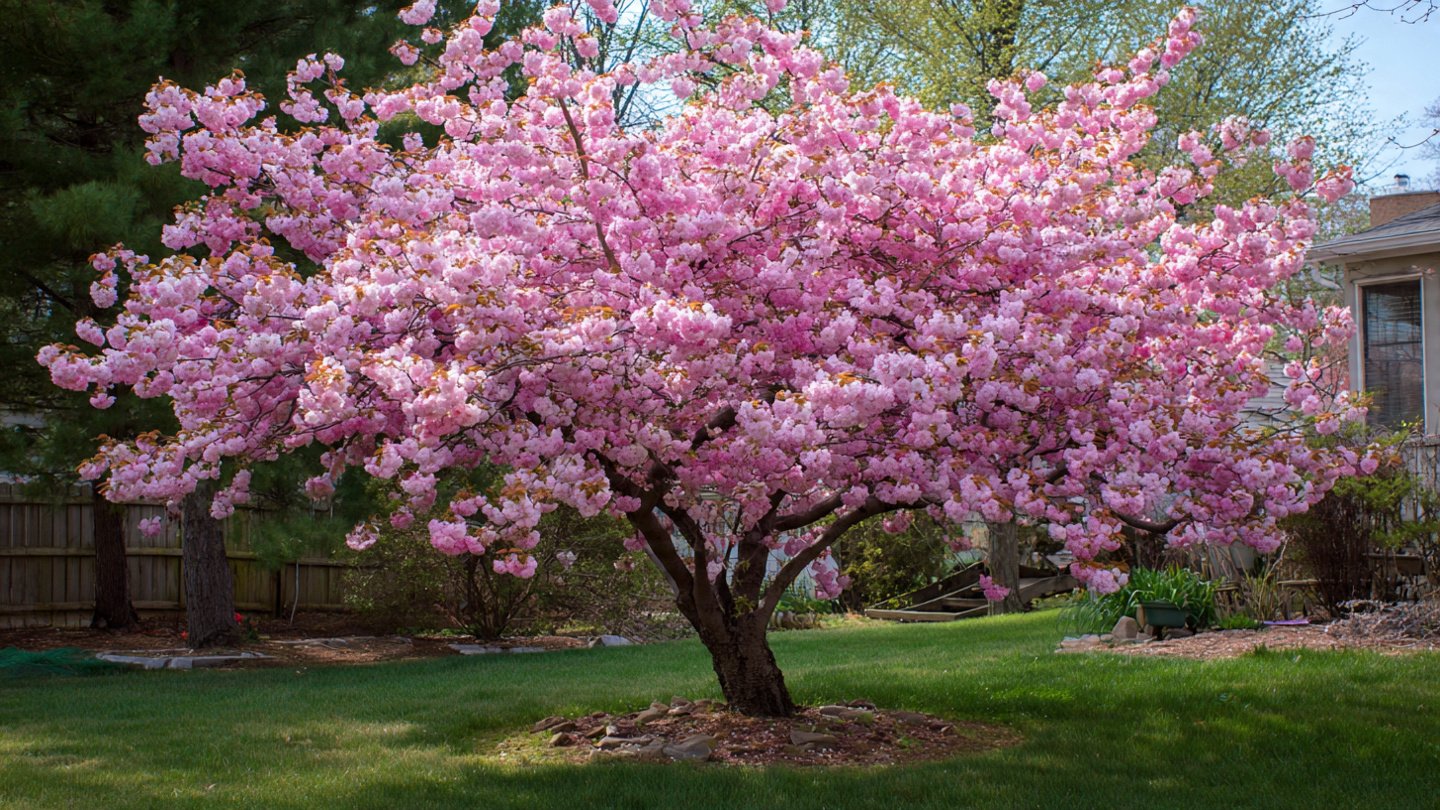
Growing a sweet cherry tree in your backyard can be a rewarding experience, offering not just beautiful blossoms but also delicious fruit in the summer. While it might seem daunting, with a bit of guidance and understanding, you can cultivate a thriving cherry tree right in your garden. This comprehensive guide will walk you through the essential steps, from choosing the right variety to caring for your tree, culminating in a thriving source of sweet cherries.
Choosing the Right Variety
The first step to establishing a sweet cherry tree is selecting the appropriate variety for your region. Here are some popular sweet cherry varieties:
- Bing Cherry: This is one of the most widely grown sweet cherry varieties. Bing cherries are large, firm, and have a rich, sweet flavor. They are typically harvested in late June to early July.
- Rainier Cherry: Known for their yellow skin with a red blush, Rainier cherries are sweet and prized for their taste. They are generally ready for harvest in mid-July.
- Stella Cherry: This self-pollinating variety produces medium-sized cherries that are sweet and firm. Stella cherries can be harvested in early to mid-July and are particularly suited for smaller gardens.
- Lambert Cherry: This variety yields dark red cherries with a rich flavor. Lambert cherries are typically harvested in July and are known for their versatility in cooking and baking.
Tips for Choosing the Right Variety
- Climate Compatibility: Ensure that the cherry variety you choose is suitable for your climate. Most sweet cherries thrive in USDA hardiness zones 5-8.
- Pollination Needs: Some cherry trees require cross-pollination to yield fruit, so if you opt for a non-self-pollinating variety like Bing, you will need to plant another compatible cherry variety nearby.
- Space Considerations: Consider the mature size of the tree and whether you have enough space. Dwarf varieties are available and can be suitable for smaller yards.
Preparing the Planting Site
Once you’ve chosen your cherry variety, the next step is to prepare the planting site. Here’s how to set the stage for success:

Site Selection
- Sunlight: Sweet cherry trees require full sun for the best growth and fruit production. Aim for a location that receives at least 6-8 hours of direct sunlight each day.
- Soil Type: Cherry trees prefer well-drained, sandy loam soil that is rich in organic matter. Avoid heavy clay or poorly drained soils that can lead to root rot.
Soil Preparation
- Test Your Soil: Conduct a soil test to determine its pH and nutrient levels. Sweet cherries thrive in slightly acidic to neutral pH (6.0 to 7.0).
- Amend the Soil: If necessary, amend your soil with organic compost or well-rotted manure to improve fertility and drainage.
- Digging the Hole: The planting hole should be about twice as wide and as deep as the root ball of your young cherry tree to allow for adequate root spreading.
Planting Your Cherry Tree
Now that you have selected the right variety and prepared the site, you can proceed to plant your cherry tree.
Steps for Planting
- Time for Planting: The best time to plant cherry trees is in the spring (after the last frost) or in the fall (before the first frost).
- Planting:
- Remove your tree from its container and gently loosen tight roots.
- Place it into the center of the hole, ensuring that the graft union (swelling on the trunk) is above the soil line.
- Backfill the hole with soil, firming it as you go to eliminate air pockets.
- Watering: After planting, water the tree thoroughly. This helps settle the soil around the roots.
Watering and Fertilization
Proper watering and fertilization are crucial in the early stages of growth.
Latest Posts
- A Comprehensive Guide to Successfully Growing Grape Vines in Your Backyard for Beginners and Experts Alike
- Best Tips for Successful Mango Growth in Containers
- Discover the Simple Steps for Successfully Growing Coriander in a Pot
- Discovering the Ultimate Guide to Growing African Violets from Leaf Cuttings
- Simple Techniques for Successfully Growing Seedless Grapes in Home Gardens
- Ultimate Guide to Growing Balsam Plants Naturally for Vibrant Blooms
- Discover the Secrets to Growing Lush Leek Leaves with Simple Hacks for Beginners
- How to Successfully Cultivate Sweet Cherries in the Unique Climate of Canada
- The Ultimate Guide to Successfully Growing Beautiful Succulent Garden Plants at Home
- A Comprehensive Guide to Growing Dhania from Seeds for Beginners
Watering
- Initial Watering: Water deeply once a week during the first growing season, especially during dry spells.
- Established Trees: After the first year, you can reduce watering to every two weeks unless there are prolonged dry periods.
Fertilization
- Initial Fertilization: In early spring, apply a balanced fertilizer (10-10-10 NPK) to encourage new growth.
- Mid-Season: A second application in mid-summer can help support fruit development.
- Organic Options: Consider using organic fertilizers like fish emulsion or well-rotted compost for a more environmentally friendly approach.
Pruning and Training Your Cherry Tree
Pruning is essential not only for maintaining the shape of your tree but also for promoting better fruit production.
Pruning Techniques
- Initial Pruning: In the first couple of years, focus on shaping the tree’s structure. Remove any dead or diseased wood and aim for a vase-like shape that allows light to penetrate.
- Annual Pruning: Once the tree starts producing fruit, prune annually, preferably in late winter or early spring, while the tree is still dormant. Aim to remove any overcrowded branches and prevent the tree from becoming too dense.
- Training Young Trees: If you have a young tree, training it to a central leader system is advisable. This involves selecting a central stem to promote upwards growth, with lateral branches spaced evenly.
Pest and Disease Management
Sweet cherry trees can be susceptible to various pests and diseases. Here are some common concerns and how to manage them:
Common Pests
- Cherry Fruit Flies: They lay eggs in the fruit, causing it to rot. You can control these using traps or insecticides specifically for fruit flies.
- Aphids: These sap-sucking insects can cause leaf curling and stunted growth. Introduce beneficial insects like ladybugs to control aphid populations naturally.
Common Diseases
- Bacterial Canker: This disease can lead to cankers and dieback. Proper pruning and sanitation (removing infected wood) help control it.
- Brown Rot: A fungal disease that affects cherries when they’re ripe. Ensure good airflow throughout the tree and remove any affected fruit.
Organic Controls
- Neem Oil: Use neem oil as a natural pesticide to deter pests and control diseases.
- Fungicides: Apply organic fungicides during the flowering stage to help prevent infections.
Harvesting Cherries
Once your cherry tree matures (usually around 4-7 years depending on the variety), you’ll be rewarded with delicious cherries.
When to Harvest
- Timing: Harvest cherries when they are fully colored and firm to the touch. This usually occurs in late spring to mid-summer, depending on the variety.
- Taste Test: Taste a couple of cherries to check for sweetness before harvesting all.
Harvesting Technique
- Gentle Picking: Carefully twist or cut the stem to avoid damaging the fruit.
- Containers: Use shallow containers to avoid crushing the cherries during transport.
FAQs About Growing Sweet Cherry Trees
1. How long does it take for a sweet cherry tree to produce fruit?
Sweet cherry trees typically begin producing fruit in 4 to 7 years after planting, depending on the variety and growing conditions.
2. Can I grow a sweet cherry tree in a pot?
Yes, you can grow dwarf varieties of sweet cherry trees in pots. Ensure the pot has good drainage and is large enough to accommodate the roots.
3. How often should I water my cherry tree?
During the first year, water your cherry tree deeply once a week. After that, you can reduce this to every two weeks, depending on rainfall.
4. Do cherry trees need full sun?
Yes, sweet cherry trees require full sun for at least 6-8 hours a day for optimal growth and fruit production.

5. What should I do if my cherry tree develops pests?
If you notice pests, identify them and choose appropriate control methods, including natural options like neem oil or introducing beneficial insects.
6. Can cherry trees grow in containers?
Yes, particularly dwarf varieties are suitable for container growth. Ensure your container has good drainage and provides enough space for root development.
7. What is the best time to prune a cherry tree?
The best time to prune cherry trees is during their dormant season, in late winter or early spring, before new growth begins.

Conclusion
Growing a sweet cherry tree in your backyard offers the joys of gardening and the delicious rewards of fresh fruit. By choosing the right variety, preparing the site, and providing proper care, you can enjoy a successful harvest of cherries. With the tips provided in this guide, you’re well on your way to cultivating your own sweet cherry tree and indulging in the delights of this iconic fruit. Happy gardening!