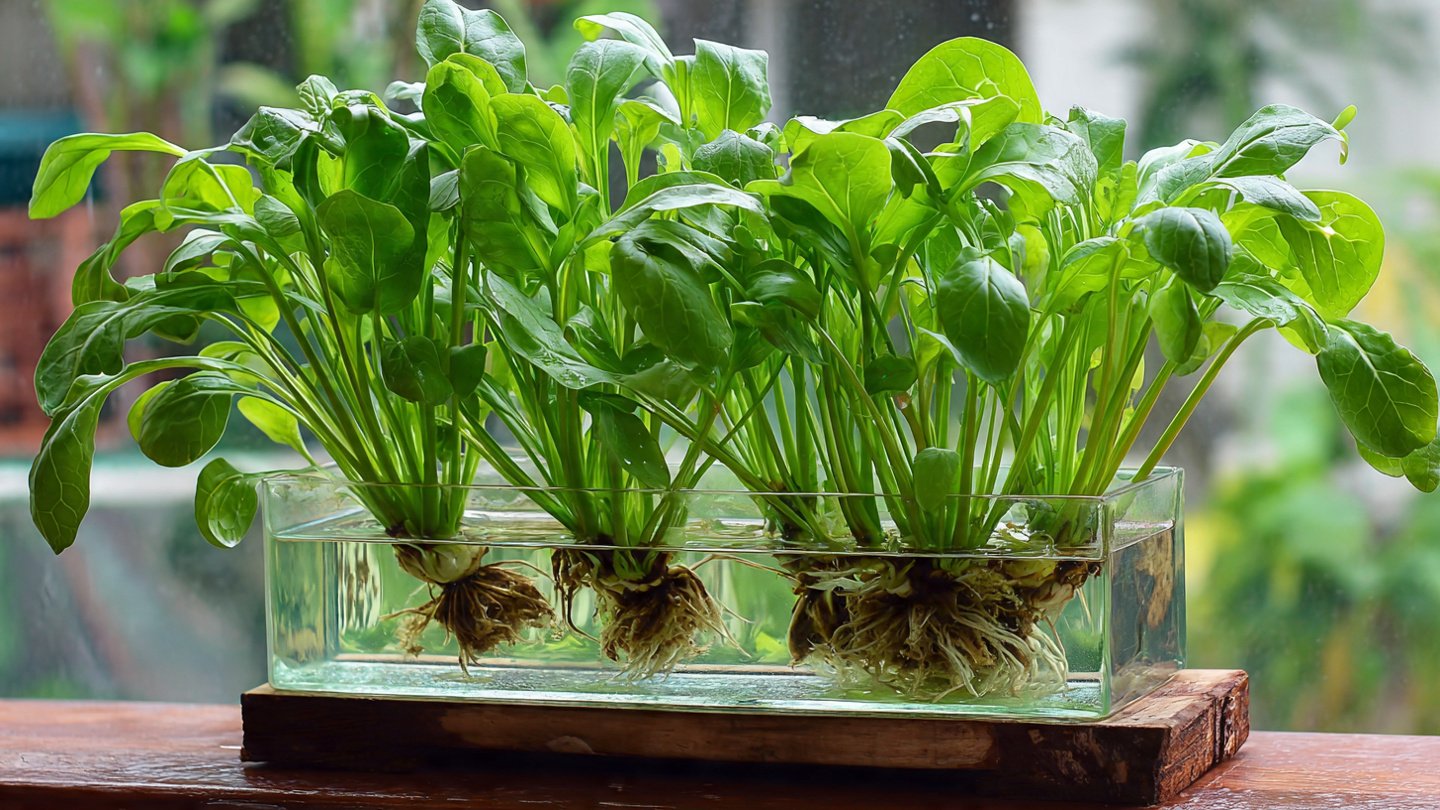
Water spinach, also known as Ipomoea aquatica, is a versatile and nutritious leafy green that is popular in Asian cuisines. Known for its quick growth and ability to thrive in varying conditions, water spinach can be a fantastic addition to your home garden. This guide will equip you with simple techniques for cultivating water spinach, enabling you to enjoy better yields right in your backyard or even in containers.
Understanding Water Spinach
Benefits of Water Spinach
Latest Posts
- A Comprehensive Guide to Successfully Growing Grape Vines in Your Backyard for Beginners and Experts Alike
- Best Tips for Successful Mango Growth in Containers
- Discover the Simple Steps for Successfully Growing Coriander in a Pot
- Discovering the Ultimate Guide to Growing African Violets from Leaf Cuttings
- Simple Techniques for Successfully Growing Seedless Grapes in Home Gardens
- Ultimate Guide to Growing Balsam Plants Naturally for Vibrant Blooms
- Discover the Secrets to Growing Lush Leek Leaves with Simple Hacks for Beginners
- How to Successfully Cultivate Sweet Cherries in the Unique Climate of Canada
- The Ultimate Guide to Successfully Growing Beautiful Succulent Garden Plants at Home
- A Comprehensive Guide to Growing Dhania from Seeds for Beginners
Before diving into planting techniques, it’s beneficial to understand the numerous advantages of water spinach:
- Nutritional Value: Water spinach is rich in vitamins A and C, calcium, and iron, making it a healthy choice for meals.
- Culinary Versatility: The leaves and stems can be used in stir-fries, salads, soups, and even smoothies.
- Fast Growing: Water spinach can be ready for harvest in as little as 4-6 weeks, allowing for multiple harvests throughout the growing season.
- Drought-Tolerant: Once established, water spinach plants can thrive with minimal watering, making them a sustainable choice.
Growing Conditions
Climate
Water spinach does best in warm, tropic to subtropical conditions. Ideally, the temperature should range from 70°F to 90°F (21°C to 32°C). It can tolerate some colder weather but is prone to frost damage.
Soil
Water spinach prefers rich, loamy soil that retains moisture. Soil pH levels should ideally be between 5.5 and 6.5. To improve soil quality, consider adding organic compost or well-rotted manure.

Container Growing
If you’re limited on space, water spinach can also thrive in containers:
- Choose containers that are at least 8-12 inches deep to accommodate the roots.
- Ensure water drainage holes to prevent root rot.
Planting Techniques
Propagation
Water spinach can be grown from seeds or cuttings.
From Seeds
- Seed Selection: Look for high-quality seeds from a reputable supplier.
- Soaking: Soak the seeds in water for 24 hours to enhance germination.
- Sowing: Plant seeds about 1 inch apart in rows 18 inches apart. Cover lightly with soil.
- Watering: Keep the soil consistently moist. Water gently until seedlings emerge.
From Cuttings

- Selecting Cuttings: Take stem cuttings about 6-8 inches long from a healthy plant. Ensure each cutting has at least two nodes (nodes are points on the stem where leaves attach).
- Rooting: Place the cuttings in water or directly into moist soil. If using water, change the water every few days, and roots should develop within a week or two.
- Transplanting: Once roots form, transplant into prepared soil or containers.
Care and Maintenance
Watering
Water spinach thrives in wet conditions, so it’s crucial to maintain moisture. Regularly check the soil and water thoroughly if it feels dry. In containers, make sure to check more frequently.
Fertilization
To encourage strong growth, fertilize water spinach every 3-4 weeks. Use a balanced fertilizer or organic options like compost or fish emulsion.
Weeding and Mulching
Weeds can compete with water spinach for nutrients, so it’s essential to keep your planting area weed-free. A layer of organic mulch can help suppress weeds, retain moisture, and improve soil fertility.
Pest Management
Water spinach is relatively pest-resistant, but you might encounter aphids or snails. Use insecticidal soap or neem oil to control infestations, and hand-pick larger pests like snails.
Harvesting Techniques

When to Harvest
Water spinach is ready to harvest approximately 4-6 weeks after planting. Signs of readiness include:
- Leaves appear vibrant and lush.
- Stems are firm but tender.
How to Harvest
- Use clean, sharp scissors or garden shears.
- Cut the stems just above the soil level or halfway down the plant, allowing regrowth.
- Handle the leaves gently to prevent bruising.
Storing Water Spinach
Freshly harvested water spinach can be stored in the refrigerator for up to a week. Wrap it in a damp paper towel and place it in a plastic bag to maintain freshness.
Practical Tips for Better Yields
- Regular Harvesting: Harvesting regularly stimulates growth and leads to bushier plants with more leaves.
- Companion Planting: Water spinach grows well alongside other plants like tomatoes or okra, enhancing biodiversity and pest resistance.
- Rotate Crops: To minimize soil depletion and pest buildup, practice crop rotation by planting water spinach in different beds or containers each season.

Troubleshooting Common Issues
Yellowing Leaves
Cause: This can be a sign of nutrient deficiency or overwatering.
Solution: Check soil moisture and consider fertilizing with nitrogen-rich fertilizers.
Slow Growth
Cause: Inadequate light or poor soil.
Solution: Ensure the plants receive at least 6 hours of sunlight a day and improve the soil quality.
Wilting Plants
Cause: Underwatering or root rot.
Solution: Ensure proper watering and check for drainage issues.
Conclusion
Growing water spinach at home can yield delicious and healthy leaves with relatively low effort. By following the simple techniques outlined in this guide, you’ll be on your way to cultivating a thriving crop. With a little care, water spinach can provide you with ample harvests all season long.
FAQs
1. Can I grow water spinach in a hydroponic setup?
Yes! Water spinach thrives in hydroponic systems, making it ideal for urban gardens where soil may not be available.

2. How often should I water water spinach?
Water spinach thrives in moist conditions. Check the soil frequently and water whenever it feels dry.
3. Is water spinach safe for all pets?
While water spinach is generally safe for dogs and cats, always consult your veterinarian before introducing any new plants to your pet’s diet.
4. Can I grow water spinach from store-bought produce?
Yes, you can grow water spinach from cuttings of store-bought plants. Ensure the cuttings are fresh and healthy.
5. What is the ideal pH level for growing water spinach?
Water spinach prefers a slightly acidic to neutral pH level, ideally between 5.5 and 6.5.
By following this guide, you can enjoy the satisfaction of growing your own water spinach while reaping the benefits of this nutritious green year-round. Happy gardening!