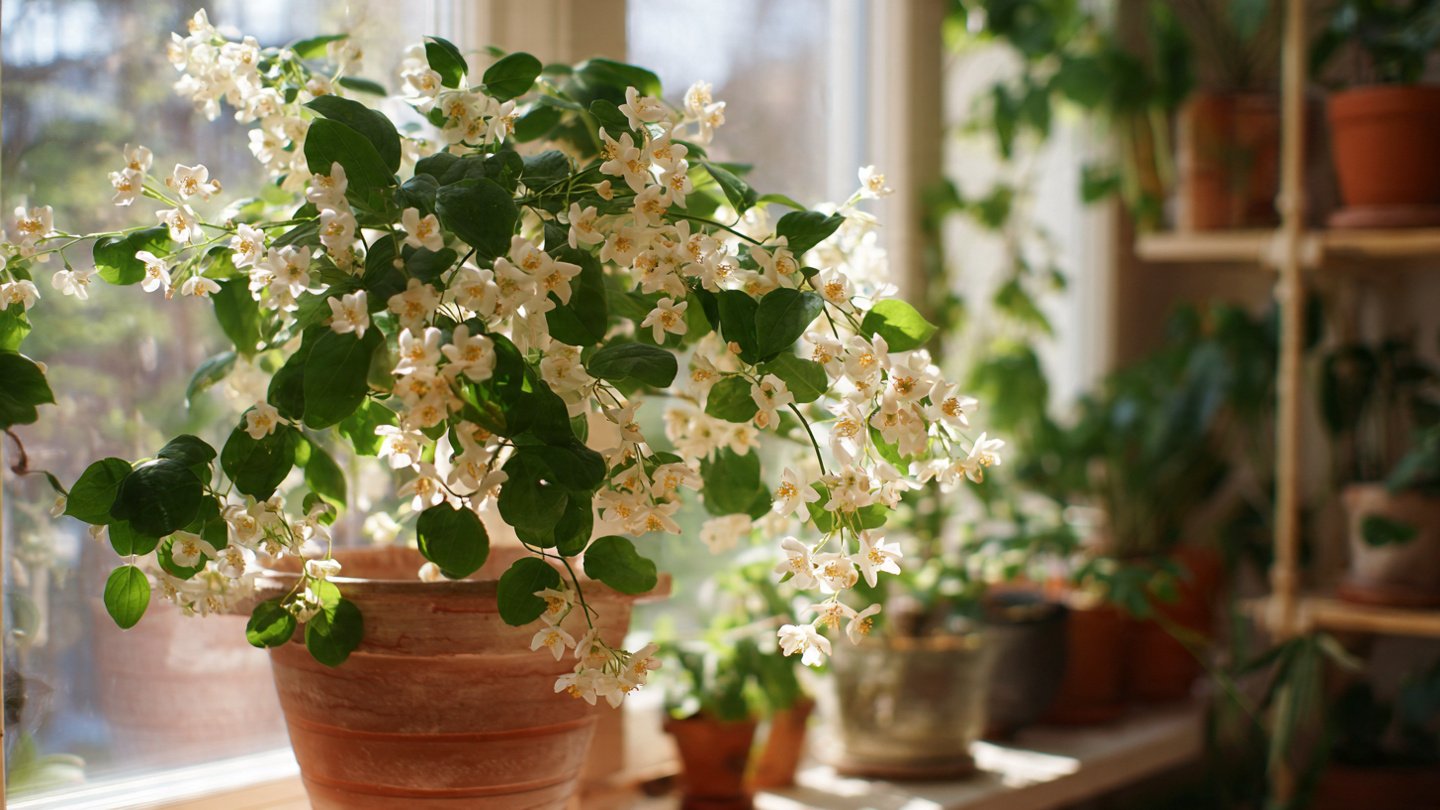
Jasmine is renowned for its exquisite fragrance and delicate blooms. These charming plants are popular for gardens, but they can also thrive indoors, adding beauty and a delightful scent to your living space. This guide provides you with everything you need to know to successfully grow jasmine indoors using simple techniques.
Understanding Jasmine
Types of Jasmine Suitable for Indoor Growth
Latest Posts
- A Comprehensive Guide to Successfully Growing Grape Vines in Your Backyard for Beginners and Experts Alike
- Best Tips for Successful Mango Growth in Containers
- Discover the Simple Steps for Successfully Growing Coriander in a Pot
- Discovering the Ultimate Guide to Growing African Violets from Leaf Cuttings
- Simple Techniques for Successfully Growing Seedless Grapes in Home Gardens
- Ultimate Guide to Growing Balsam Plants Naturally for Vibrant Blooms
- Discover the Secrets to Growing Lush Leek Leaves with Simple Hacks for Beginners
- How to Successfully Cultivate Sweet Cherries in the Unique Climate of Canada
- The Ultimate Guide to Successfully Growing Beautiful Succulent Garden Plants at Home
- A Comprehensive Guide to Growing Dhania from Seeds for Beginners
There are several species of jasmine, but not all are suitable for indoor cultivation. The most popular varieties include:
-
Common Jasmine (Jasminum officinale): Known for its highly fragrant white flowers. It can grow quite large, so it’s best suited for spacious rooms.
-
Arabian Jasmine (Jasminum sambac): Smaller and more compact, this variety produces beautiful white flowers and is ideal for growing in pots.
-
Star Jasmine (Trachelospermum jasminoides): Although technically not a true jasmine, it is often used for its sweet scent and can be grown indoors.
Ideal Conditions for Jasmine Growth
Jasmine plants flourish when given the right conditions. Here are some essential factors to consider:
-
Light: Jasmine plants thrive in bright, indirect sunlight. A south or west-facing window is ideal, but be cautious of direct sun, which can scorch the leaves.
-
Temperature: Jasmine prefers moderate temperatures ranging from 60°F to 75°F (15°C to 24°C). They can be sensitive to extreme cold or heat, so maintain a stable environment.
-
Humidity: Jasmine thrives in high humidity levels, ideally between 40% and 70%. If your indoor air is dry, consider using a humidifier or placing a tray of water near the plant.

Planting Jasmine Indoors
Choosing the Right Pot
Select a pot that is at least 6-8 inches in diameter with good drainage holes. Jasmine roots like to be snug, but they also need proper drainage to prevent root rot.
Soil Requirements
Jasmine prefers well-draining, slightly acidic to neutral soil. A mix of potting soil and perlite (or coarse sand) works well. You can also use a commercially available potting mix that includes organic matter.
Planting Steps
-
Prepare the Pot: Begin by adding a layer of stones at the bottom of the pot for drainage. Then fill the pot with the soil mixture.
-
Transplanting: If you’re transplanting a nursery plant, gently remove it from its container, taking care not to damage its roots. Place it in the new pot and fill in around the roots with more soil.

-
Watering: Water the plant thoroughly after planting, ensuring the soil is moist but not soggy.
Care Tips for Indoor Jasmine
Watering
Jasmine plants prefer to dry out slightly between waterings. Water the plant when the top inch of soil feels dry. Use room temperature water to avoid shocking the roots.
Fertilizing
Fertilize your jasmine every month during the growing season (spring and summer) using a balanced, water-soluble fertilizer. Dilute it to half strength to avoid burning the roots. Reduce feeding in the fall and winter months when growth typically slows.
Pruning
To promote bushiness and more blooms, prune your jasmine after the flowering period. Trim about one-third of the new growth and remove any dead or yellowing leaves.
Supporting Growth
Jasmine plants can grow quite tall and might need support. Use stakes or trellises to guide the stems upwards. This will also encourage better air circulation, reducing the risk of fungal issues.
Addressing Common Issues
Pests

Keep an eye out for common houseplant pests like spider mites, aphids, and whiteflies. If you notice any signs of infestation, treat the plant with insecticidal soap or neem oil.
Diseases
Jasmine is usually hardy, but root rot can occur from overwatering. Ensure that your pot has good drainage, and avoid letting the plant sit in water. Fungal infections may happen in high humidity; ensure adequate air circulation.
Leaf Yellowing and Dropping
Yellowing leaves can indicate either overwatering or nutrient deficiency. Assess your watering habits and consider fertilizing if necessary. Dropping leaves might indicate environmental stress, such as changes in temperature or humidity.
Enhancing Blooming
If you want your jasmine to produce more flowers, consider the following tips:
-
Provide Bright Light: Ensure your jasmine gets enough light, adjusting its position as necessary to meet its light requirements.
-
Cool Nights: Jasmine often blooms better with cooler nighttime temperatures. Try to keep the nighttime temperature a few degrees lower than during the day.
-
Encourage Pollination: While growing indoors, your jasmine may lack natural pollinators. Gently shake the plant or use a small brush to help transfer pollen between flowers.
Seasonal Care
Spring & Summer
- Increase watering frequency as the plant grows more vigorously.
- Regularly check for pests and diseases.
- Fertilize every 4-6 weeks.
Fall & Winter
- Reduce watering; allow the soil to dry out more between waterings.
- Decrease fertilization to once every 8 weeks.
- Monitor temperature closely as it’s more susceptible to cold drafts.
Frequently Asked Questions (FAQs)
1. How often should I water my jasmine plant?
You should water your jasmine when the top inch of soil feels dry. Generally, this might be once a week, but it can vary depending on indoor conditions.
2. Why are my jasmine leaves turning yellow?
Yellowing leaves can indicate overwatering, nutrient deficiency, or insufficient light. Assess your care routine to determine the cause.

3. How can I increase humidity for my jasmine?
You can increase humidity by misting the plant regularly, using a humidifier, or placing a tray of water near it.
4. Can I grow jasmine from cuttings?
Yes! Take cuttings from a healthy plant, dip them in rooting hormone, and plant them in a moist potting mix. Keep the soil moist and in a warm location until roots develop.
5. When does jasmine bloom?
Depending on the species and growing conditions, jasmine generally blooms in late spring to early summer. Providing optimal light and temperature can encourage earlier blooming.
6. Is jasmine toxic to pets?
Most jasmine species are considered non-toxic to pets, but it’s always best to keep any houseplant out of reach of curious animals.
7. How can I propagate my jasmine plant?
You can propagate jasmine through cuttings, by layering, or by division if the plant is large enough. Ensure the newly propagated plants have adequate light and humidity.
Conclusion
Growing jasmine indoors can be a rewarding experience, filling your home with fragrance and beauty. By following the techniques outlined in this guide and committing to regular care, you can enjoy thriving jasmine plants that bloom year after year. Happy gardening!