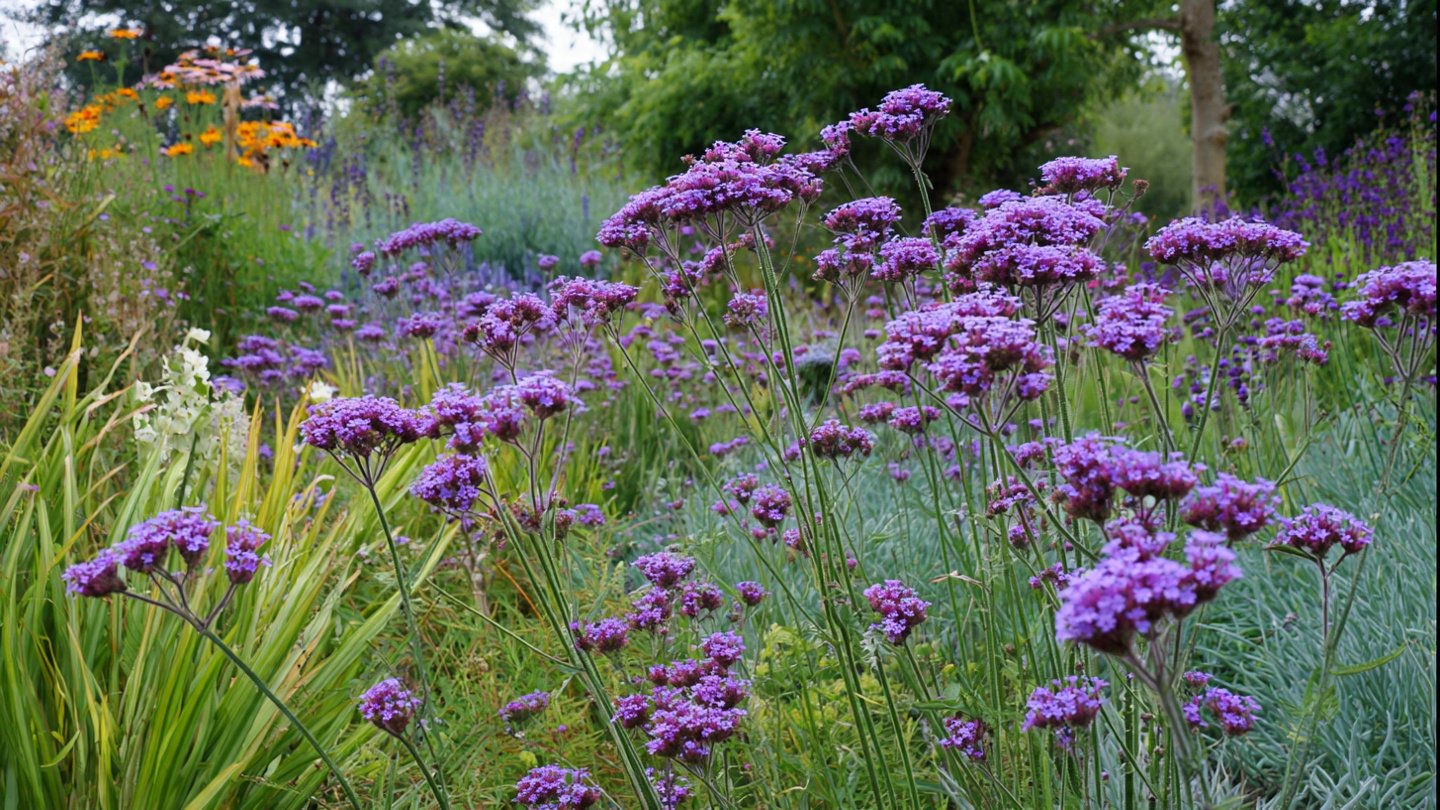
Creating a stunning garden display with vibrant colors can be a delightful and fulfilling endeavor. One of the easiest and most rewarding plants to include in your garden is verbena. Known for its ability to thrive in various conditions and produce abundant blooms, verbena is a favorite among gardeners. This article will guide you through the process of growing verbena from seeds and how to create a mesmerizing garden display.
Understanding Verbena
What is Verbena?
Latest Posts
- A Comprehensive Guide to Successfully Growing Grape Vines in Your Backyard for Beginners and Experts Alike
- Best Tips for Successful Mango Growth in Containers
- Discover the Simple Steps for Successfully Growing Coriander in a Pot
- Discovering the Ultimate Guide to Growing African Violets from Leaf Cuttings
- Simple Techniques for Successfully Growing Seedless Grapes in Home Gardens
- Ultimate Guide to Growing Balsam Plants Naturally for Vibrant Blooms
- Discover the Secrets to Growing Lush Leek Leaves with Simple Hacks for Beginners
- How to Successfully Cultivate Sweet Cherries in the Unique Climate of Canada
- The Ultimate Guide to Successfully Growing Beautiful Succulent Garden Plants at Home
- A Comprehensive Guide to Growing Dhania from Seeds for Beginners
Verbena is a genus of flowering plants in the Verbenaceae family, with over 250 species. These hardy perennials and annuals are prized for their prolific blooms and aromatic foliage. Verbena comes in a variety of colors, including purple, pink, red, and white. Its flowers can attract pollinators like bees and butterflies, making it a fantastic addition to any garden.
Varieties of Verbena
There are several types of verbena you can grow from seeds. Some popular varieties include:
- Trailing Verbena (Verbena canadensis): Ideal for hanging baskets and containers, with a cascading growth habit.
- Garden Verbena (Verbena x hybrida): Known for its vibrant blooms and adaptable nature, perfect for adding color to borders.
- Lemon Verbena (Aloysia citrodora): Though primarily grown for its leaves, which have a strong lemon scent, it can also produce small purple flowers.
Growing Verbena from Seeds
Step 1: Gather Supplies
Before you start sowing seeds, gather the necessary supplies:
- Verbena seeds
- Seed trays or biodegradable pots
- Seed starting mix
- Watering can or spray bottle
- Labels for identifying varieties
- A clear plastic cover or plastic wrap (optional)

Step 2: Start Seeds Indoors
Growing verbena from seeds typically begins indoors, particularly in cool climates.
-
Timing: Start your seeds 8-10 weeks before the last expected frost date. Check your local extension service for specific dates.
-
Fill Containers: Fill your seed trays or pots with a light seed starting mix. Moisten the mix lightly to ensure it’s damp but not soggy.
-
Sow Seeds: Scatter verbena seeds on the surface of the soil, aiming for a spacing of about 1 inch apart. Lightly press them into the soil or cover them with a thin layer of soil mix, as they require light to germinate.
-
Label: Use labels to indicate the variety and date of planting.
Step 3: Create the Right Environment
-
Light: Verbena seeds need plenty of light for germination. Place your trays in a sunny window or under grow lights. Ensure they receive 12-16 hours of light daily.

-
Temperature: Maintain a temperature of 70-75°F (21-24°C) for optimal germination. If your home is cooler, consider using a seedling heat mat.
-
Humidity: Covering the trays with a clear plastic cover can help maintain humidity until germination occurs. Remove the cover once the seeds sprout.
Step 4: Watering
Keep the soil consistently moist but not oversaturated. Using a spray bottle can help prevent disturbing the seeds. Water carefully from below by placing the trays in shallow water and letting the soil absorb moisture.
Step 5: Thin Seedlings
Once your seedlings develop their first true leaves, thin them out to avoid competition for nutrients. This usually means selecting the healthiest seedlings to keep and removing the weaker ones. Aim to provide each remaining seedling with at least 3 inches of space.
Step 6: Transplanting
-
Harden Off: About 1-2 weeks before transplanting outdoors, start hardening off your seedlings by gradually exposing them to outdoor conditions. Begin with a few hours in a shaded area, slowly increasing their time outside over several days.
-
Select a Planting Location: Verbena prefers full sun (at least 6-8 hours of sunlight daily) and well-draining soil. It can thrive in various soil types but benefits from soil rich in organic matter.
-
Transplanting: After the last frost date, transplant your seedlings into prepared garden beds or containers. Space them about 12-18 inches apart to allow for growth. Water well after transplanting.
Creating a Colorful Garden Display
Design Principles
When arranging verbena in your garden, consider the following design principles:
-
Color Harmony: Use a color wheel to choose complementary colors that will create a harmonious display. Mixing different verbena species can add variety and intrigue to your garden.
-
Height Variation: Combine verbena with plants of varying heights to create visual interest. Taller plants can serve as a backdrop, while verbena can fill in front spaces.
-
Texture and Form: Incorporate plants with different textures and forms alongside verbena. Plants with broad leaves or spiky blooms can enhance the overall aesthetic.
Companion Planting
Verbena pairs well with several other plants, including:
- Petunias: Bright and cheerful, petunias can complement verbena’s flowers beautifully.
- Marigolds: Their vibrant orange and yellow hues provide a striking contrast.
- Salvia: This hardy perennial can add height and structure to your garden while attracting pollinators.
Arrangement Ideas
-
Borders: Plant verbena along pathways or garden borders for a colorful edge.
-
Containers: Create stunning container displays by combining verbena with other annuals and perennials. Use trailing verbena in hanging baskets for a cascading effect.
-
Mixed Beds: Plant verbena in mixed flower beds alongside other perennials and annuals to create a diverse landscape.
Maintenance
-
Watering: Verbena is drought-tolerant once established but requires regular watering during dry spells, especially for young plants.
-
Deadheading: Remove spent blooms to encourage more flowering, thereby extending your verbena’s blooming period.
-
Fertilizing: While verbena doesn’t require excessive fertilization, a balanced, slow-release fertilizer in early spring can promote healthy growth.
-
Pest Control: Keep an eye out for aphids and other pests. Using insecticidal soap or neem oil can be effective in managing pest populations.
Conclusion
Growing verbena from seeds is a rewarding project that results in a colorful and lively garden display. With proper care, you’ll enjoy the beautiful blooms and invigorating atmosphere they bring to your outdoor space. Follow the steps outlined in this article, and you’ll be well on your way to creating a stunning garden that flourishes with color.
FAQs
1. How long does it take for verbena seeds to germinate?

Verbena seeds take about 7-14 days to germinate under optimal conditions.
2. Can I grow verbena in containers?
Yes, verbena does well in containers, especially trailing varieties. Ensure good drainage and provide adequate sunlight.
3. How often should I water verbena?
Water verbena regularly during dry spells, but allow the soil to dry out between waterings.
4. Is verbena a perennial or annual plant?
Most verbena varieties are treated as annuals, but some can be perennials in warm climates.
5. Can verbena tolerate shade?
Verbena thrives best in full sun and may not bloom as well in shaded areas.
6. What should I do if my verbena isn’t blooming?
Ensure that your plants receive sufficient sunlight, water, and consider deadheading spent flowers to encourage more blooms.
By following this comprehensive guide, you will be able to successfully grow verbena from seeds and create an eye-catching display that will elevate your garden’s beauty for seasons to come.