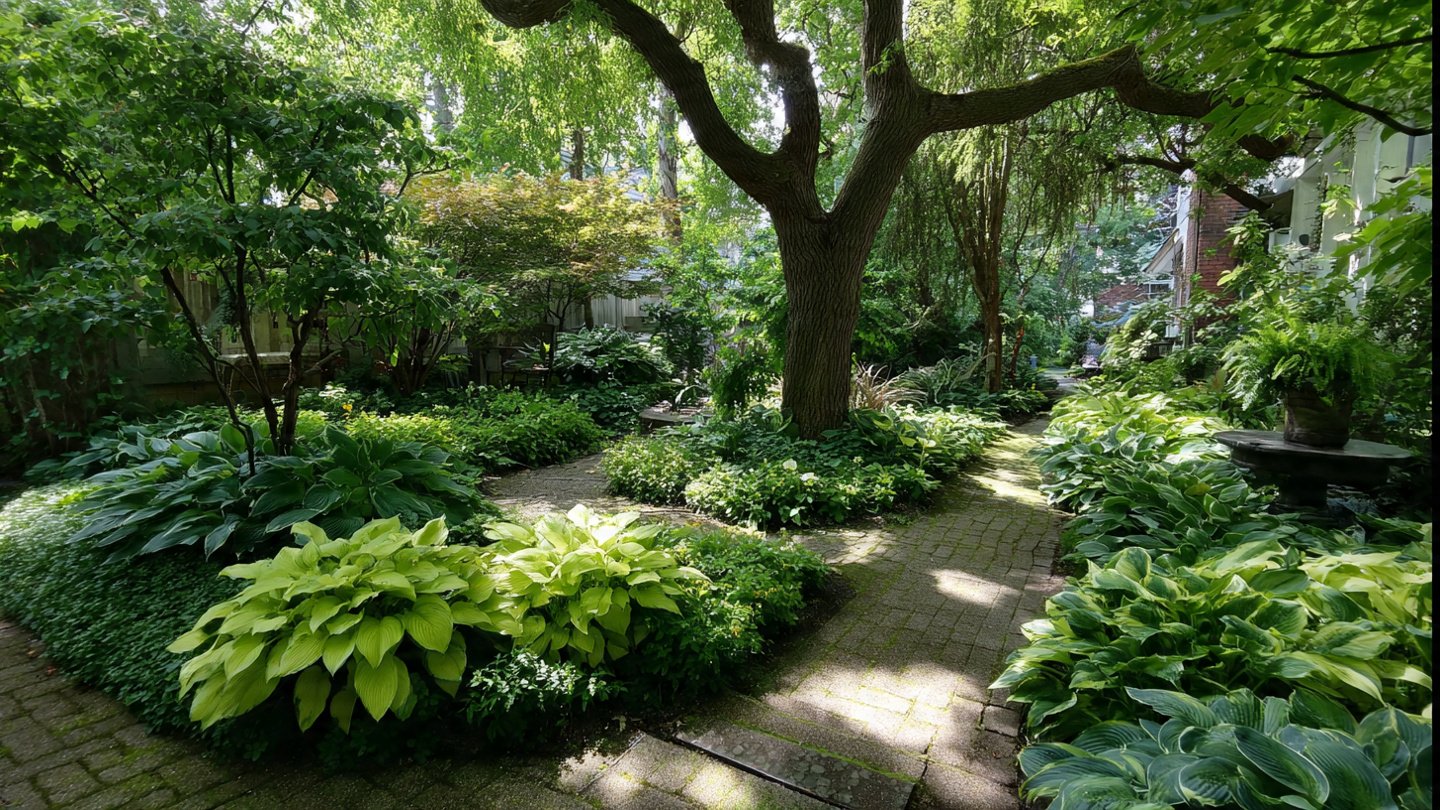
Creating a lush garden under the canopy of trees can be a rewarding endeavor, allowing you to transform a seemingly barren shady area into a vibrant ecosystem of plants. However, growing shade-tolerant plants comes with its own set of challenges. In this guide, we will explore the steps to successfully cultivate shade-loving plants, the types of plants that thrive in such conditions, and tips for nurturing a thriving under-tree garden.
Understanding the Shade Environment
Types of Shade
Latest Posts
- A Comprehensive Guide to Successfully Growing Grape Vines in Your Backyard for Beginners and Experts Alike
- Best Tips for Successful Mango Growth in Containers
- Discover the Simple Steps for Successfully Growing Coriander in a Pot
- Discovering the Ultimate Guide to Growing African Violets from Leaf Cuttings
- Simple Techniques for Successfully Growing Seedless Grapes in Home Gardens
- Ultimate Guide to Growing Balsam Plants Naturally for Vibrant Blooms
- Discover the Secrets to Growing Lush Leek Leaves with Simple Hacks for Beginners
- How to Successfully Cultivate Sweet Cherries in the Unique Climate of Canada
- The Ultimate Guide to Successfully Growing Beautiful Succulent Garden Plants at Home
- A Comprehensive Guide to Growing Dhania from Seeds for Beginners
Before diving into plant selection, it’s important to understand the type of shade provided by trees:
-
Light Shade: This occurs when sunlight filters through leaves, providing dappled light. Many shade-tolerant plants thrive in these conditions.
-
Partial Shade: This is where plants receive a few hours of direct sunlight, usually in the morning or late afternoon. It allows a wider range of plants to be grown.
-
Deep Shade: This is characterized by very low light, often found under dense tree canopies. Here, only the most tolerant plants will survive.
Soil Conditions
The soil under trees can often be different from open areas. Tree roots may compete for water and nutrients, and the soil may be more acidic due to leaf litter decomposing. Assessing the soil quality is a crucial first step.
- Soil Type: Test if your soil is sandy, clayey, or loamy.
- pH Level: The ideal pH range for most shade-tolerant plants is between 6.0 and 7.0. If your soil is too acidic, consider adding lime to balance it out.
- Nutrient Content: Organic matter can help improve soil quality.
Selecting Shade-Tolerant Plants

Choosing the right plants is crucial. The following categories provide a range of options:
Ground Covers
Ground covers help prevent soil erosion, suppress weeds, and create an attractive carpet of foliage. Some excellent choices include:
-
Creeping Jenny (Lysimachia nummularia): Known for its golden-yellow foliage in the spring and summer, it thrives in moist, shady areas.
-
Vinca Minor (Periwinkle): With its glossy green leaves and purple flowers, Vinca is excellent for adding color to shaded spots.
Perennials
Perennials provide stunning blooms and foliage year after year. Consider these options:
-
Hostas: Coming in a variety of sizes and leaf colors, Hostas are highly adaptable and thrive in shade. They also attract pollinators.
-
Ferns: Varieties like the Lady Fern (Athyrium filix-femina) or the Japanese Painted Fern (Athyrium niponicum) add a lush, textural quality to shady spots.
Shade-Tolerant Shrubs
Shrubs can provide structure and height to your garden. Consider:
-
Azaleas: These flowering shrubs brighten shaded areas with their vibrant blooms.
-
Japanese Maple (Acer palmatum): This small tree or shrub adds stunning foliage and structure to a shaded garden.
Annuals and Biennials
These can add bursts of color and interest. Some shade-loving annuals include:
-
Impatiens: Great for beds and borders, they feature bright blooms and can thrive in deep shade.
-
Begonias: Many varieties can thrive in shade, providing lush foliage and colorful flowers.
Preparing the Area
Once you’ve selected your plants, it’s time to prepare the space:
-
Clear the Area: Remove any debris, weeds, and leaves to create a clean planting space. Be cautious not to disturb the tree roots.
-
Amend the Soil: Incorporate compost or well-rotted manure to enrich the soil. This helps improve drainage and nutrient content.
-
Mulching: After planting, apply a layer of mulch (wood chips, straw, or shredded bark) to help retain moisture, suppress weeds, and improve soil quality as it breaks down.

Planting Techniques
To maximize your success in growing shade plants:
-
Spacing: Ensure you provide adequate space between plants. This allows for air circulation and prevents competition for nutrients.
-
Planting Depth: Follow proper guidelines for depth; too deep or shallow can hinder growth. Generally, the top of the root ball should be level with the soil surface.
-
Watering: Water thoroughly after planting. Keep the soil consistently moist, especially during the first growing season, as plants establish roots.
Maintenance
Watering
While many shade plants are moisture tolerant, it’s essential to monitor the soil’s moisture level, especially during dry spells. Deep watering encourages roots to grow deeply, allowing plants to access nutrients.
Fertilization
While some shade plants thrive in poor soil, a regular application of a balanced fertilizer in early spring can encourage healthy growth. Organic fertilizers often yield the best results.
Pruning
Regular pruning of shrubs and perennials will promote better air circulation and encourage new growth. Remove any dead or dying foliage to maintain the plant’s health.
Pest Management
While shaded areas may be less prone to pests, it’s still vital to monitor for issues:

-
Aphids: Check often for signs of aphids on foliage. Introduce beneficial insects like ladybugs or use insecticidal soap if necessary.
-
Fungal Diseases: High humidity in shaded areas can promote fungal issues. Ensure good air circulation through proper spacing and remove any infected leaves promptly.
Designing Your Shade Garden
Layering
Consider layering plants of different heights to add depth and interest. Taller plants can go at the back or center (if in a circular design), with mid-height plants in between and ground covers at the front.
Color and Texture
Mixing foliage colors—from bright greens to dark purples—along with various leaf textures creates a visually striking garden. Seasonal blooms in shades of pink, blue, and white can also provide continuity throughout the seasons.
Paths and Borders
Creating pathways using mulch, stones, or gravel can enhance accessibility and aesthetic appeal. Borders can help delineate garden beds and keep the space organized.
Seasonal Considerations
While shade plants are often resilient, different seasons may affect their needs:
-
Spring: This is the prime planting season. Focus on establishing plants when the weather is still cool.
-
Summer: It can become dryer under trees. Monitor moisture levels closely, especially during hot, dry spells.
-
Fall: This is an excellent time to plant shrubs and perennials, as the soil remains warm while the air cools, encouraging root development.
-
Winter: While some plants may die back, others provide winter interest. Consider leaves that add texture (like evergreen ferns) to your winter landscape.

Create Biodiversity
Creating a diverse garden offers numerous benefits. It supports local wildlife, such as butterflies and birds, and can create a balanced ecosystem that minimizes pests and diseases.
Incorporating Native Plants
Choose local native species for the best results, as they are adapted to your specific climate and soil conditions and provide food and habitat for local fauna.
Adding Habitats
Consider adding simple elements like bird feeders or small water features to attract wildlife and enhance biodiversity.
Conclusion
Turning the shaded areas under trees into a lush garden requires thoughtful planning, careful plant selection, and ongoing maintenance. By understanding the unique environment created by trees and choosing the right plants, you can create a vibrant and thriving space. A well-planned shade garden not only enhances the beauty of your landscape but also contributes significantly to the health and biodiversity of your local ecosystem. Whether you are a seasoned gardener or a newcomer, the rewards of a lush, green space beneath trees are well worth the effort. With patience and care, you will soon enjoy a delightful retreat in your very own shade garden.