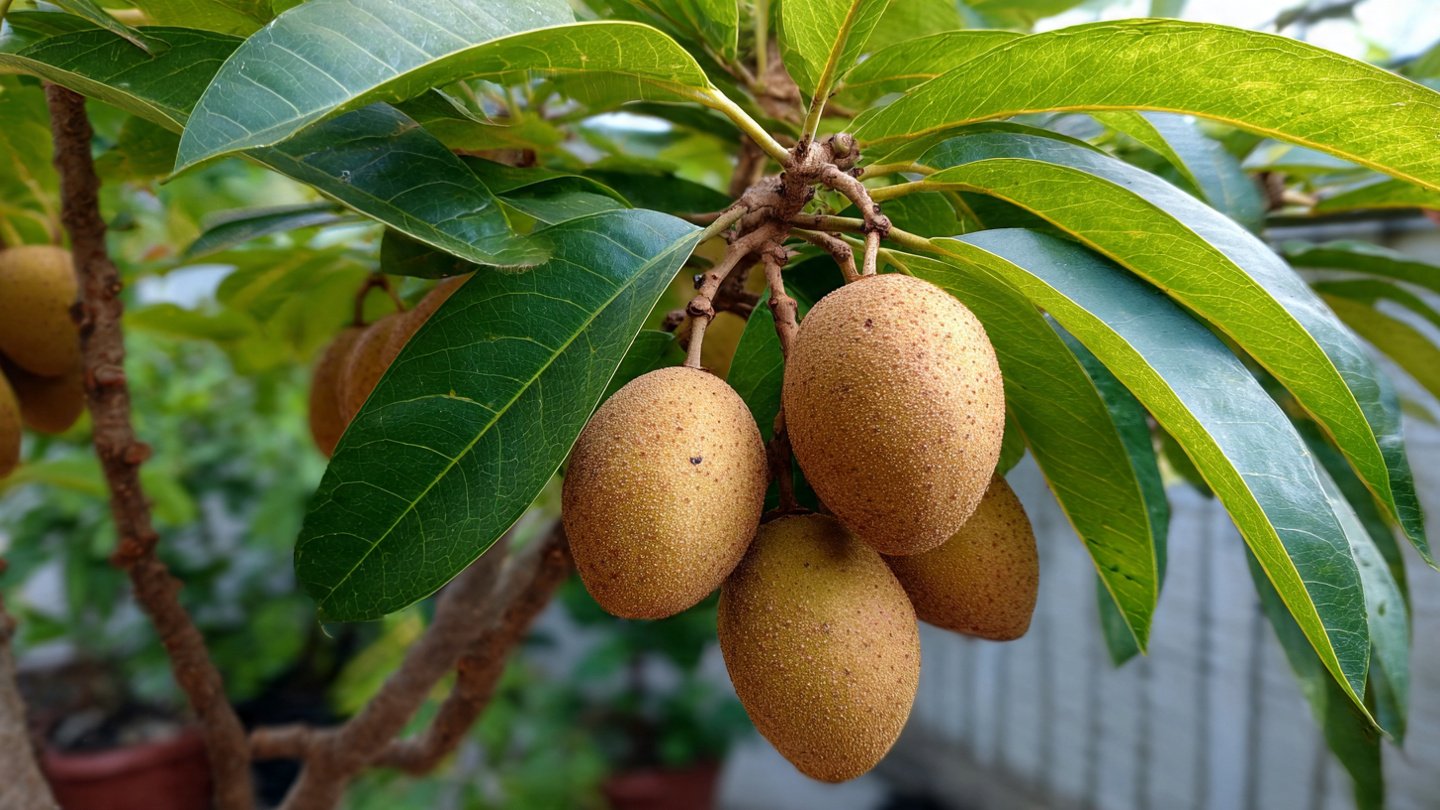
The sapodilla (Manilkara zapotilla) is an exotic tropical fruit cherished for its sweet, malty flavor and pleasant aroma. Originating from Central America, it has found its way into orchards around the globe, delighting fruit enthusiasts and growers alike. This article provides essential tips for successfully growing sapodilla, ensuring a bountiful harvest that showcases the fruit’s unique characteristics.
Understanding Sapodilla
A Brief Overview
Latest Posts
- A Comprehensive Guide to Successfully Growing Grape Vines in Your Backyard for Beginners and Experts Alike
- Best Tips for Successful Mango Growth in Containers
- Discover the Simple Steps for Successfully Growing Coriander in a Pot
- Discovering the Ultimate Guide to Growing African Violets from Leaf Cuttings
- Simple Techniques for Successfully Growing Seedless Grapes in Home Gardens
- Ultimate Guide to Growing Balsam Plants Naturally for Vibrant Blooms
- Discover the Secrets to Growing Lush Leek Leaves with Simple Hacks for Beginners
- How to Successfully Cultivate Sweet Cherries in the Unique Climate of Canada
- The Ultimate Guide to Successfully Growing Beautiful Succulent Garden Plants at Home
- A Comprehensive Guide to Growing Dhania from Seeds for Beginners
Sapodilla is a slow-growing evergreen tree that can reach heights of up to 30 meters, but in cultivated settings, it generally stays smaller. Its leathery leaves are dark green and glossy, providing an attractive appearance year-round. The fruit itself is round to oval, with brown, rough skin and sweet, golden-brown flesh that resembles a pear in texture.
Climate Requirements
Sapodilla thrives in tropical and subtropical climates, requiring warm temperatures and considerable sunlight. Ideal conditions include:
- Temperature: Sapodilla prefers temperatures between 20°C (68°F) and 40°C (104°F). It can tolerate short periods of cooler weather but is sensitive to frost.
- Rainfall: While the tree is drought-tolerant, it flourishes with consistent rainfall, ideally between 1000 mm to 2000 mm annually. Proper drainage is crucial, as excess moisture can lead to root rot.
Selecting the Right Site
Soil Type

Sapodilla trees prefer well-drained, sandy loam or clay soils with a pH between 6.0 and 8.0. Conducting a soil test can help determine nutrient levels and pH balance. Amending your soil based on this test can greatly impact the tree’s growth and fruit production.
Sunlight
Choose a location that receives full sun for at least 6-8 hours daily. Adequate sunlight is essential for photosynthesis and overall tree health, leading to abundant fruit production.
Drainage Considerations
Good drainage is vital to prevent root rot. If your site tends to retain water, consider planting sapodilla on raised beds or sloping areas to aid in drainage.
Planting Procedures
Propagation Methods
Sapodilla can be propagated by seeds, grafting, or air layering:
-
Seeds: Soak seeds for 24 hours and plant them in a well-draining potting mix. Germination usually occurs within 2-3 weeks. Once the seedlings are about 15 cm (6 inches) tall, they can be transplanted into the ground.
-
Grafting: This method produces more vigorous and faster-producing trees. It’s advisable to graft onto a compatible rootstock.
-
Air Layering: This technique allows growers to produce new plants while still attached to the parent tree. It may take several months for roots to develop before detaching.
Spacing Requirements
When planting sapodilla, ensure adequate spacing to allow for healthy growth. Recommended spacing is typically between 8 to 12 meters (26 to 39 feet) apart for mature trees, though closer spacing may work in smaller gardens.
Planting Depth
When planting, ensure the root ball is at the soil surface level. Planting too deeply can lead to root rot and other complications.
Caring for Your Sapodilla Tree
Watering
While sapodilla trees have some drought resistance, consistent watering is crucial during the initial establishment phase. Water deeply but infrequently to encourage deep root development. During dry spells, supplement water weekly or bi-weekly.
Fertilization
Sapodilla benefits from balanced fertilizers, especially during its early growth phase. Applying nitrogen-rich fertilizer helps in leaf development, while phosphorus and potassium support flowering and fruiting. Typical fertilization can be done every 3-4 months.
Pruning
Regular pruning can enhance air circulation and promote healthy growth. Focus on removing dead or diseased branches and maintaining a manageable shape. Pruning can also help increase fruit production by allowing sunlight to reach more parts of the tree.
Pest and Disease Management
Sapodilla is relatively resistant to pests and diseases but can occasionally be affected by:
- Fruit Flies: These pests can invade ripe fruit. Use traps or organic insecticides for control.
- Scale Insects: These may appear on the leaves. Treat with horticultural oil or insecticidal soap.
- Fungal Infections: Good air circulation and proper drainage are key. In case of fungal issues, an appropriate fungicide might be required.
Mulching
Applying a layer of organic mulch around the base of the tree helps retain moisture, suppress weeds, and regulate soil temperature. It also adds nutrients to the soil as it decomposes.

Encouraging Fruit Production
Pollination
Sapodilla flowers are generally self-pollinating; however, having multiple trees can enhance cross-pollination, which may lead to better fruit sets. Encourage pollinators like bees by planting flowers nearby.
Recognizing Flowering Stages
Sapodilla trees typically begin to flower in their third to fifth year. The flowers are small, creamy yellow, and can be found in clusters. Not all flowers will set fruit, but proper care can increase your chances of a successful harvest.
Thinning Fruit
In heavy production years, thinning the fruit can prevent overburdening the tree, which could affect the size and quality of the remaining fruit. Leave about 15-20 cm (6-8 inches) between fruits to allow optimal growth.
Harvesting Your Sapodilla
Determining Ripeness
Sapodilla fruit is ready for harvest when it changes from green to brown, and the skin feels slightly soft to the touch. Don’t wait until the fruit falls naturally, as this often results in overripe fruit.
Harvesting Techniques
Use pruning shears to cut the fruit from the tree, taking caution not to damage other fruits or branches. Handle the fruit gently to avoid bruising.
Storage
Sapodilla can be stored at room temperature until fully ripe. Once ripe, it can be refrigerated for up to two weeks. The sweet flesh makes it a great addition to smoothies, desserts, and savory dishes.
Conclusion
Successfully growing sapodilla is a rewarding endeavor for both the novice and seasoned gardener. By understanding the tree’s requirements for climate, soil, water, and nutrients, you can cultivate a healthy tree that produces an abundant harvest. With patience and care, you’ll soon be enjoying the delightful flavor of home-grown sapodilla, and possibly even sharing this exotic fruit with family and friends.
Use these essential tips as a guide, and embark on a journey to not only grow sapodilla but to appreciate the joy of nurturing a fruitful tree from seedling to harvest.