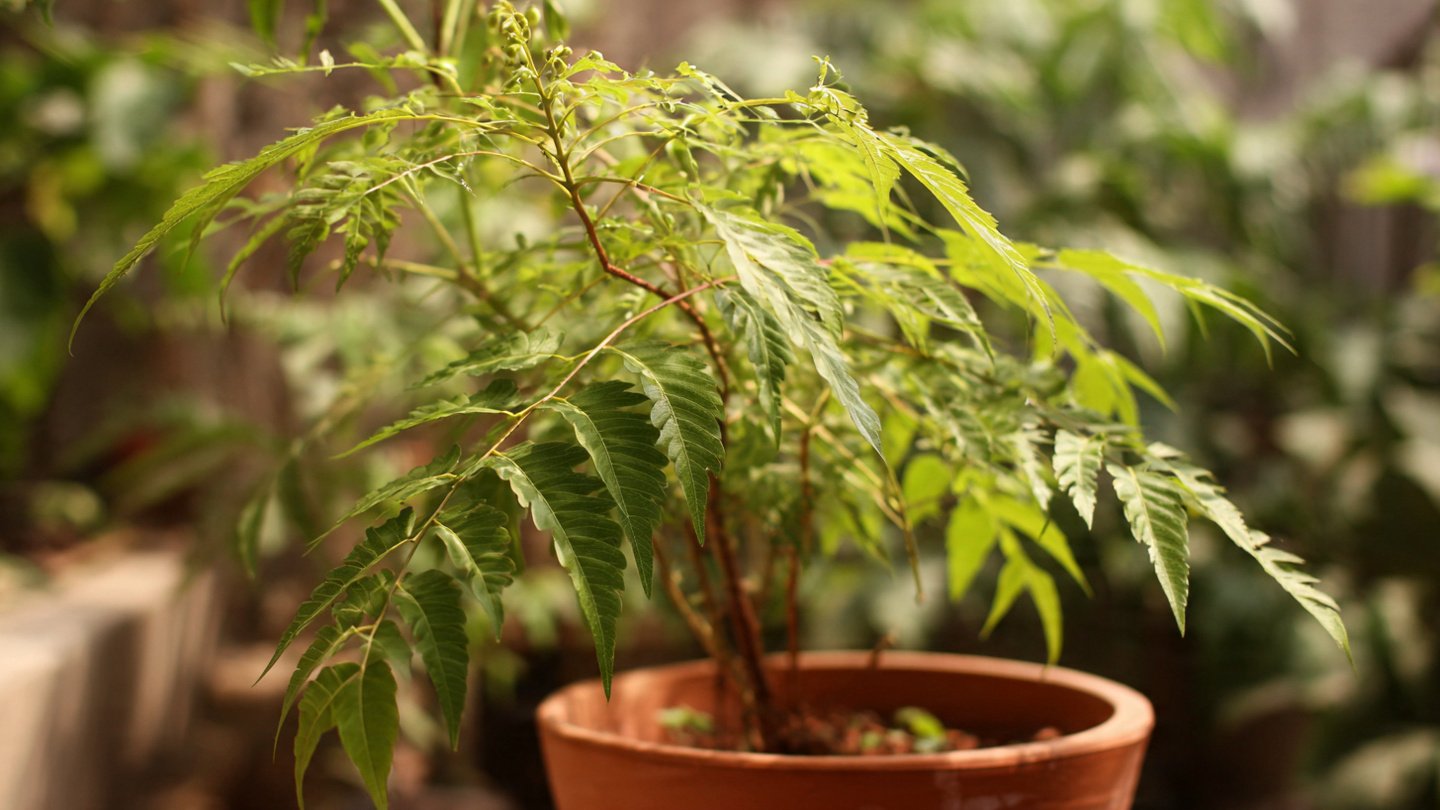
The neem tree, known scientifically as Azadirachta indica, is a miraculous plant that has been revered for its various medicinal properties and ecological benefits. Commonly referred to as the “holy tree” in India, neem is valued for its capacity to deter pests, purify the environment, and promote health. Growing neem trees from seeds in your home garden can be a rewarding experience. This comprehensive guide will take you through each step, ensuring you cultivate a thriving neem tree from seed to sapling.
Understanding Neem Trees
Before diving into the cultivation process, it’s important to understand the characteristics and benefits of neem trees. Neem can grow up to 20 meters (about 65 feet) tall and has a dense canopy that provides cool shade. The tree is drought-resistant, thrives in poor soil, and is generally low-maintenance—an ideal choice for home gardens.
Latest Posts
- A Comprehensive Guide to Successfully Growing Grape Vines in Your Backyard for Beginners and Experts Alike
- Best Tips for Successful Mango Growth in Containers
- Discover the Simple Steps for Successfully Growing Coriander in a Pot
- Discovering the Ultimate Guide to Growing African Violets from Leaf Cuttings
- Simple Techniques for Successfully Growing Seedless Grapes in Home Gardens
- Ultimate Guide to Growing Balsam Plants Naturally for Vibrant Blooms
- Discover the Secrets to Growing Lush Leek Leaves with Simple Hacks for Beginners
- How to Successfully Cultivate Sweet Cherries in the Unique Climate of Canada
- The Ultimate Guide to Successfully Growing Beautiful Succulent Garden Plants at Home
- A Comprehensive Guide to Growing Dhania from Seeds for Beginners
Benefits of Neem Trees
- Pest Control: Neem leaves are a natural insect repellent, making them invaluable for organic gardening.
- Medicinal Uses: Neem is known for treating ailments such as skin infections, dental issues, and even diabetes.
- Environmental Benefits: The tree absorbs carbon dioxide and releases oxygen, improving air quality.
- Aesthetic Appeal: With its lush foliage and beautiful white flowers, neem adds significant visual appeal to any garden.
The Process of Growing Neem Trees from Seeds
Growing neem trees from seeds involves several steps: selecting seeds, preparing for planting, germination, and ongoing care. Here’s a detailed rundown.
1. Seed Selection
The first step in growing neem trees is to source high-quality seeds. Neem seeds are oval-shaped and brown in color. They can be purchased from gardening stores or sourced from mature neem trees.

How to Identify Good Seeds:
- Choose seeds that are plump and undamaged.
- Avoid seeds that look shriveled or have mold on them.
2. Seed Preparation
Before planting, it’s crucial to prepare the seeds to enhance germination rates.
- Soak the Seeds: Soak neem seeds in warm water for 24 hours. This softens the hard outer shell and helps in quicker germination.
- Scarification: For better results, lightly scarify the seeds with sandpaper to break dormancy, though this is optional.
3. Choosing the Right Location
Neem trees thrive in warm climates with plenty of sunlight. Therefore, select a location in your garden that receives at least 6 to 8 hours of direct sunlight daily. If you live in cooler climates, consider starting your seeds indoors and transplanting them outside later.
4. Soil Preparation
Neem trees prefer well-drained, sandy, or loamy soil with a pH range of 6.0 to 8.0. To prepare the soil:
- Mix the Soil: Incorporate organic compost or well-rotted manure into the soil to improve fertility and drainage.
- Test the pH: Use a soil pH meter to ensure the soil is within the right range.
5. Planting the Seeds
Once the seeds are prepared and your planting site is ready, it’s time to plant.
- Planting Depth: Dig a small hole about 1 to 2 inches deep.
- Spacing: If planting multiple seeds, ensure they’re spaced about 3 to 4 feet apart.
- Watering: After planting, gently water the soil without oversaturating it.
6. Germination
Neem seeds typically germinate within 1 to 3 weeks under optimal conditions. During this period:
- Water Regularly: Keep the soil moist but not soaked.
- Temperature: Ensure a warm environment; neem seeds germinate best at temperatures between 20°C to 30°C (68°F to 86°F).
7. Transplanting
Once the seedlings reach around 6 inches (15 cm) in height and have developed a few true leaves, they can be transplanted into larger pots or directly into the garden.
- Timing: This typically occurs around 6 to 8 weeks after germination.
- Transplanting Technique: Gently remove the seedlings, taking care not to damage the roots. Transplant them into holes that are twice the size of the root ball.
8. Ongoing Care
After transplanting, the neem tree will need consistent care to thrive.
Watering: Water your sapling regularly, particularly during dry periods. However, be cautious not to overwater, as this can lead to root rot.
Fertilization: Use a balanced fertilizer once every couple of months to promote healthy growth. Organic fertilizers are preferable.
Mulching: Apply a layer of mulch around the base of the tree to conserve moisture and suppress weeds.
Pruning: Prune your neem tree as necessary to encourage a strong structure and remove any dead or diseased branches.

9. Pest and Disease Management
Neem trees are relatively pest-resistant but may occasionally attract aphids or whiteflies.
- Neem Oil Spray: Consider using neem oil as a natural pesticide if infestation occurs.
- Inspect Regularly: Check the leaves and branches for any signs of pest damage or disease, and address issues promptly.
10. Harvesting Neem Leaves
Once your neem tree is well-established, you can begin harvesting leaves for various uses.
- Timing: Usually, leaves can be harvested when the tree is about two years old.
- Method: Select healthy leaves, avoiding any that are yellowing or damaged.
Frequently Asked Questions (FAQs)
1. How long does it take for a neem tree to grow from seed to maturity?
Typically, a neem tree can take 3 to 5 years to reach full height and maturity, although smaller harvesting may begin within 1 to 2 years.
2. Can neem trees survive in pots?

Yes, neem trees can be grown in pots if you ensure they have sufficient space and proper drainage. Choose a pot that is at least 15 to 20 gallons in size for best results.
3. What are the ideal conditions for neem trees?
Neem trees prefer warm climates, well-drained sandy or loamy soil, and full sunlight. They can tolerate some drought and poor soil conditions.
4. Are neem trees invasive?
In some areas, neem trees can be considered invasive, as they may outcompete local flora. It’s important to check local regulations regarding planting neem trees.
5. Can I grow neem trees indoors?
While it’s challenging, neem trees can be grown indoors with adequate sunlight (at least 6 hours) and sufficient space. Artificial grow lights may be helpful in dimmer indoor scenarios.
6. How often should I water neem trees?
Watering frequency depends on your climate. Generally, the soil should remain moist but not soggy, meaning a thorough watering once every week or two during dry spells is usually effective.
Conclusion
Growing neem trees from seeds in your home garden requires patience, care, and a little bit of knowledge. The benefits of cultivating neem far outweigh the initial effort—offering not only a touch of greenery to your surroundings but also contributing to organic gardening and enhancing your health. By following the steps detailed above, anyone can successfully grow neem trees and enjoy the numerous benefits they offer. Happy gardening!