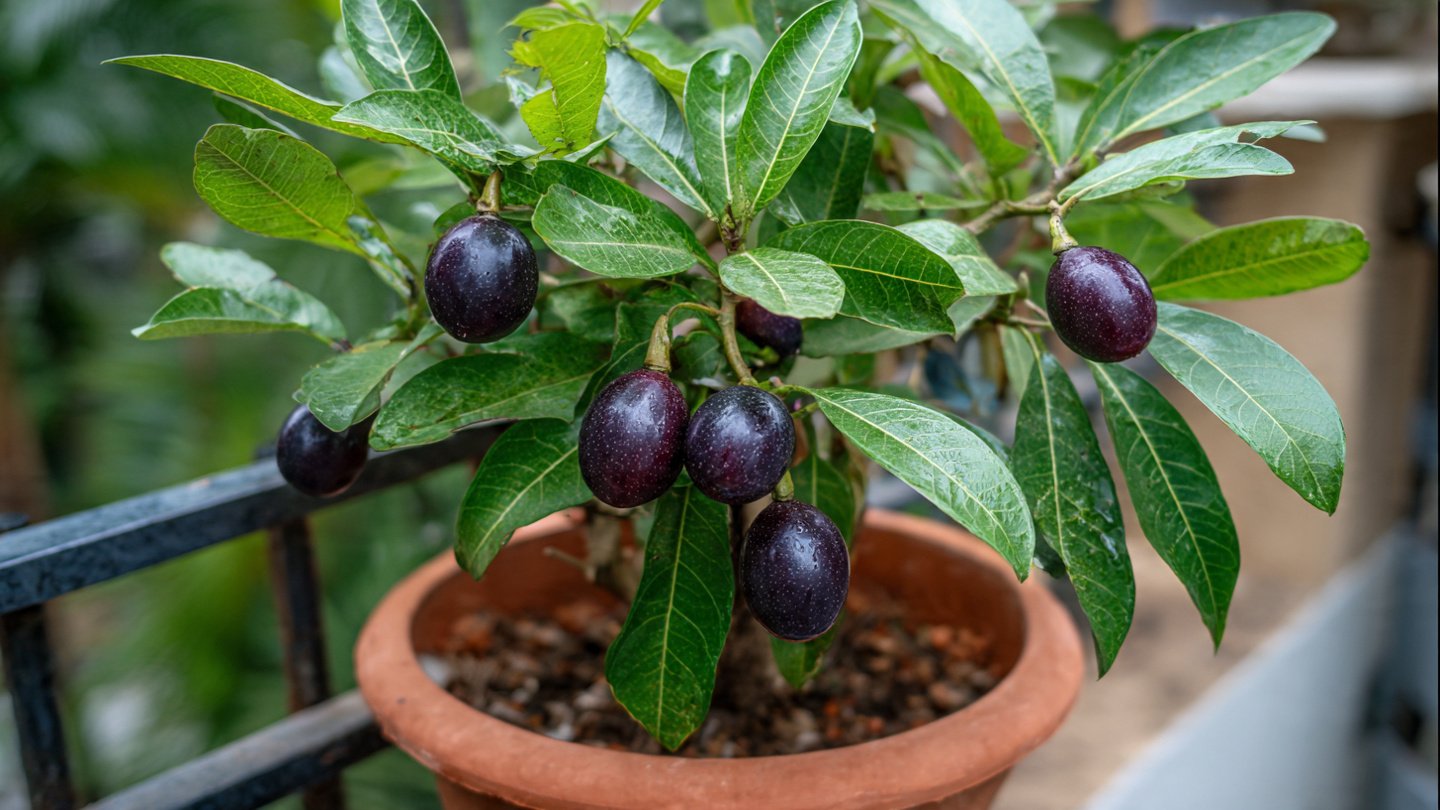
Growing fruits in containers has gained popularity among urban gardeners, with one delightful option being the Jamun (Syzygium cumini), also known as Java plum or blackberry. This tropical tree is not only cherished for its sweet, dark berries but also for its striking foliage and aesthetic appeal. Here, we’ll guide you on how to successfully grow Jamun in containers, outlining essential tips and practices to ensure a bountiful harvest.
Understanding Jamun
Before you dive into the practicalities of growing Jamun in containers, let’s look at some of its characteristics. Native to the Indian subcontinent, Jamun is a tropical evergreen tree that can reach heights of 30 meters. However, when grown in containers, it can be pruned to maintain a more manageable size.
Latest Posts
- A Comprehensive Guide to Successfully Growing Grape Vines in Your Backyard for Beginners and Experts Alike
- Best Tips for Successful Mango Growth in Containers
- Discover the Simple Steps for Successfully Growing Coriander in a Pot
- Discovering the Ultimate Guide to Growing African Violets from Leaf Cuttings
- Simple Techniques for Successfully Growing Seedless Grapes in Home Gardens
- Ultimate Guide to Growing Balsam Plants Naturally for Vibrant Blooms
- Discover the Secrets to Growing Lush Leek Leaves with Simple Hacks for Beginners
- How to Successfully Cultivate Sweet Cherries in the Unique Climate of Canada
- The Ultimate Guide to Successfully Growing Beautiful Succulent Garden Plants at Home
- A Comprehensive Guide to Growing Dhania from Seeds for Beginners
The tree produces small, oval-shaped fruits that turn a deep purple-black when ripe. Jamun is rich in vitamins, minerals, and antioxidants, making it a healthy addition to your diet. The tree is also celebrated for its medicinal properties, which include aiding digestion and managing blood sugar levels.
Selecting the Right Container
Size Matters
Choosing the right container is crucial. Ideally, select a pot that is at least 18-24 inches deep and has a similar width. This size will provide enough space for the roots to grow. As the tree matures, you may need to repot it in a larger container.
Material Options
Containers can be made from various materials, including terracotta, plastic, and ceramic. Terracotta is a popular choice due to its breathability and natural aesthetic, but it can be heavier and less durable. Plastic pots are lightweight and easy to move, though they may not offer the same level of breathability. Choose a material that fits your gardening style and practicality.
Soil Requirements
Best Soil Mix
For optimal growth, use a well-draining potting mix. A good combination is equal parts of potting soil, perlite, and compost. This mix will ensure proper drainage while providing nutrients.
pH Level
Jamun prefers slightly acidic to neutral soil pH (between 6.5 and 7.5). Regularly test your soil to ensure it stays within this range. If necessary, you can amend the soil with lime to raise the pH or sulfur to lower it.
Planting Your Jamun Tree
Selecting a Sapling
When starting your Jamun journey, begin with a healthy sapling. You can purchase one from a local nursery or propagate it from seeds. If opting for seeds, soak them in water for 24 hours before planting to enhance germination.
Planting Steps
-
Fill the Container: Add your potting mix to the container, leaving enough space at the top for watering.
-
Remove the Sapling: Gently remove the sapling from its original pot, taking care not to damage the roots.
-
Plant: Place the sapling in the center of the container, ensuring that the root collar (where the roots meet the stem) is level with the soil surface.
-
Backfill: Add more potting mix around the roots and gently pat it down.
-
Water: Thoroughly water the plant until water drains from the bottom of the container.
Sunlight and Temperature
Light Requirements
Jamun trees thrive in full sun, so position your container in a location where it will receive at least 6-8 hours of direct sunlight daily. If you live in a climate with intense heat, some afternoon shade may benefit the plant.
Temperature Range
Being a tropical tree, Jamun prefers warm temperatures. It can tolerate temperatures ranging from 15°C to 35°C (59°F to 95°F). If you live in a region that experiences frost, it’s advisable to bring the container indoors during cold months.
Watering Practices
Regular Watering
Consistent watering is essential for a healthy Jamun tree. Water the plant when the top inch of the soil feels dry to the touch. Ensure that your container has drainage holes to prevent waterlogging, which can lead to root rot.
Seasonal Variations
During the growing season, particularly in summer, your Jamun tree may require more frequent watering. Conversely, in winter, reduce watering as the plant enters dormancy.
Fertilization Needs
Choosing the Right Fertilizer
To ensure your Jamun tree gets the necessary nutrients, use a balanced, slow-release fertilizer. A formula high in nitrogen and potassium will support foliage growth and fruiting.
Fertilization Schedule
- Initial Feeding: After planting, wait about a month before applying fertilizer.
- Ongoing Schedule: Feed your tree every 6-8 weeks during the growing season (spring and summer).
- After Harvest: Fertilize again after the fruiting season to prepare the plant for the next cycle.
Pruning and Training
Pruning Techniques
Pruning is essential for container-grown Jamun trees to maintain their size and promote healthy growth. Here’s how to do it:
- Timing: Late winter or early spring is the best time to prune before new growth begins.
- Remove Dead or Diseased Wood: Start by cutting away any dead, damaged, or diseased branches.
- Shape: Trim back excessive growth to maintain a desirable shape and size, allowing light to penetrate the center of the tree.
Training the Tree
Consider training your Jamun tree to grow in a specific shape (e.g., an open center) to improve air circulation and light exposure.
Pest and Disease Management
Common Pests
Container-grown Jamun trees can attract a variety of pests, including aphids, mealybugs, and spider mites. Regularly inspect your plant for signs of infestation and treat them with organic insecticides, neem oil, or insecticidal soap as needed.
Fungal Diseases
Fungal diseases can occur, particularly if the plant is overwatered. Ensure proper drainage and airflow to minimize the risk of issues like root rot or leaf spot. If you notice fungal infections, consider using a fungicide after confirming the issue.
Harvesting Jamun Fruit
When to Harvest
The fruit of the Jamun tree typically ripens in summer. They usually change from green to dark purple when fully mature. Check for a sweet aroma and soft texture as indicators of ripeness.
Harvesting Method
Gently twist or cut the fruit to remove it from the branch. Be cautious not to damage the tree while harvesting.
Conclusion
Growing Jamun in containers can be a rewarding and fruitful experience, allowing you to enjoy its delicious berries even in limited spaces. By following these essential tips—from choosing the right container and soil to managing pests and harvesting fruit—you can cultivate a healthy and thriving Jamun tree in your home garden. Whether you’re a beginner or an experienced gardener, this tropical delight will surely add beauty and flavor to your gardening endeavors. Happy gardening!